Chef Base Kitchen
Engineered Anti-Mold & Precision Prep Accessories (Batch 1)
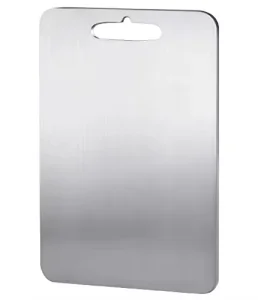
Titanium Cutting Board Camping Accessories Premium Double Sided Design Durable Pure Titanium Choping Board
Inquire Now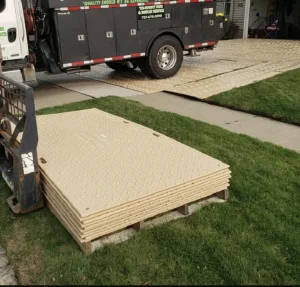
Protection Mat Custom Size HDPE Ground Mats for Temporary Construction Ground Protection UHMWPE Track Mat 10mm-15mm Thickness Custom Cutting Service
Inquire Now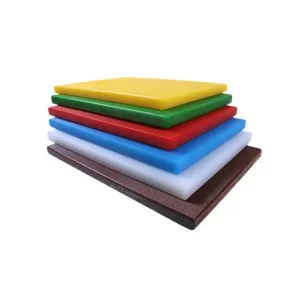
Zspe Heavy Duty HDPE Cutting Board Scratch Resistant and Easy to Clean
Inquire Now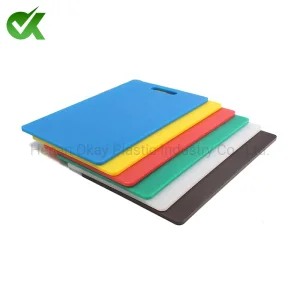
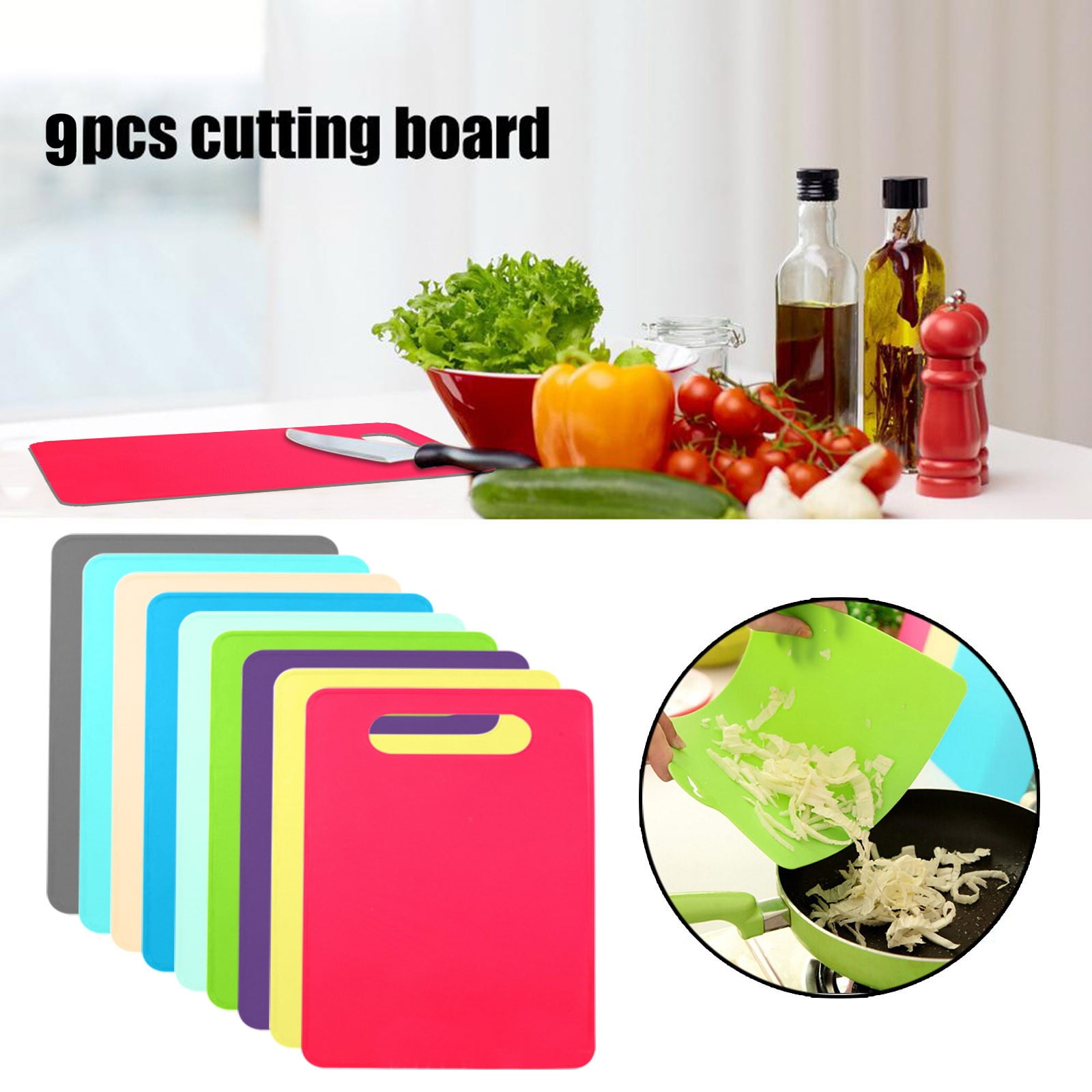
Non-Toxic Custom Flexible Plastic Cutting Boards with FDA Certification
Inquire Now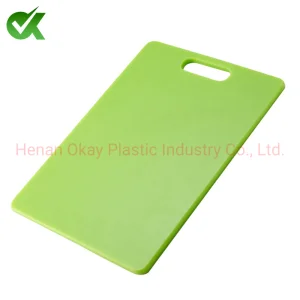
Kitchen Chinese Cheap Juice Groove Plastic Cutting Board Sets for Sale
Inquire Now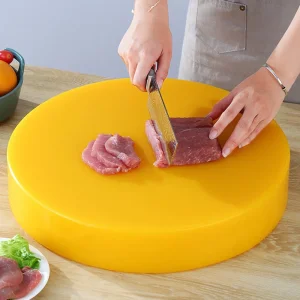
Zspe Hygienic HDPE Cutting Board with Non-Porous Surface
Inquire Now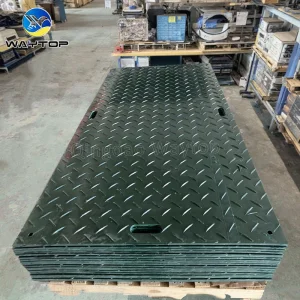
Thick Wear Resistant Construction Ground Support Mat
Inquire Now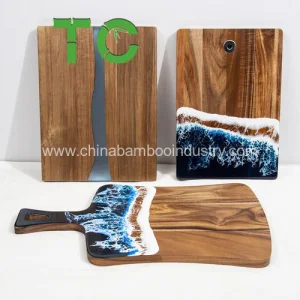
Acacia Wood and Resin Charcuterie Board Small Bar Cutting Board Kitchen Serving Board Reversible Cutting Board
Inquire NowRedefining Prep Surface Safety Since 1996
Since its establishment in 1996, Ningbo Chef Base Kitchen Co., Ltd. has focused on the research, development, and manufacturing of professional kitchen cutting boards. In the highly competitive global field of food-safe polymer and composite surfaces, we have consistently led the industry. Our operations combine state-of-the-art extrusion, precision injection molding, and composite wood engineering to achieve unparalleled product longevity and mold resistance.
As an industry pioneer of antibacterial cutting boards, we hold 20 utility and design patents. These proprietary technologies ensure that our products remain at the absolute global forefront of mechanical design, surface integrity, and biological resistance, specifically tailored to satisfy the requirements of international OEM/ODM clients.
Reshaping Value, Durability, and Hygiene in the Kitchen
We know that although cutting boards are inconspicuous, they play a vital role in food safety and kitchen work flows. We are fully committed to engineering healthy, secure, environmentally sustainable, and highly ergonomic prep utilities.

Healthy & Antibacterial
Utilizing high-density, non-porous composite resins and food-safe metallic compounds to provide permanent resistance against microbial proliferation, mold, and odor retention.

Safe Engineering
Features integrated elastomeric anti-slip borders, safety juice wells, and knife-friendly surface profiles that absorb impact without compromising fine culinary blade edges.

Environmental Integrity
Committed to eco-responsibility. We actively utilize post-industrial recyclable polymers, FSC-certified woods, and green production technologies that reduce carbon emissions.

Humanized Ergonomics
Engineered with double-sided utilization markings, visual food group separation indicators, and integrated juice channels to streamline prep cleaning and storage.
Global Corporate Procurement & Industry Demand Drivers
The Evolution of Institutional Safety Regulations
Large-scale food service businesses, hotel chains, and retail buyers are facing strict regulatory scrutiny regarding food safety. Cross-contamination within prep environments is recognized as a primary risk vector. Standard wood surfaces, if improperly maintained, quickly develop micro-fissures that trap moisture and become breeding grounds for mold, *Salmonella*, and *E. coli*.
Our range of custom anti-mold kitchen accessories solves this issue by using non-porous materials like premium HDPE, titanium, and specialized silicones. These materials withstand harsh chemical sanitization and commercial high-heat washing cycles without degrading, delaminating, or losing their structural strength.
Consequently, modern supply chains choose partners who guarantee complete traceability, structural testing reports, and compliance certificates. Ningbo Chef Base meets these demands with fully documented material tracking and rigorous testing processes.
We supply international hypermarkets (Walmart, Costco, ALDI) with high-volume, cost-efficient, retail-ready packaging. Our products feature clean branding and reliable anti-mold performance designed to attract home cooks.
For high-frequency commercial kitchens, our durable HDPE cutting boards and premium double-sided titanium surfaces prevent bacterial cross-contamination, ensuring long service life under heavy usage.
We specialize in custom tooling and brand development. We offer customized colors, integrated juice grooves, built-in garlic graters, and unique composite materials tailored to specific regional markets.
How We Combat Mold on a Molecular Level
Traditional porous kitchenware traps water, creating breeding grounds for fungal spores. Our technical roadmap focuses on modifying raw materials to prevent bacterial and mold accumulation before it can start.
High-Density Food-Grade Polymers (HDPE/PP)
We use high-density polymers that are chemically inert. These plastics resist surface wear, acids, and high-heat sanitizing, preventing micro-grooves where bacteria can thrive.
Passivated Titanium Interfaces
Our pure titanium and double-sided titanium cutting boards form a stable protective oxide layer (TiO2). This layer naturally repels organic matter and inhibits mold growth without releasing metallic ions.
Resin-Encapsulated Hardwoods
For premium cutting boards, we combine natural acacia wood with high-grade food-safe resins. This seals the wood fibers to prevent water absorption and warping.
Future Material R&D Pipeline (2025–2030)
Ningbo Chef Base is currently testing plant-derived bio-resins and micro-textured surface patterns that naturally repel liquids. Our goal is to reduce plastic use by 40% while maintaining the durability and performance of our kitchenware.
Industrial Macro Solutions & Customization Workflow
The OEM Customization Process
We offer custom design, manufacturing, and supply services. We help brand owners translate product concepts into market-ready retail products.
- CAD & 3D Prototyping: We provide detailed mechanical blueprints within 72 hours of your initial request.
- Custom Injection Molding: Our production lines accommodate custom product dimensions, handles, juice wells, and non-slip rubber elements.
- Color Matching: We match colors to Pantone standards to align with your corporate branding.
- Logo Printing: We offer laser engraving, silk-screen printing, and hot stamping.
Quality Assurance Protocols
Quality control is critical for high-volume B2B manufacturing. Each production run undergoes testing at various stages of production:
- Dishwasher Heat Simulation: Products undergo testing cycles up to 85°C to prevent warping and degradation.
- Knife Damage Tests: Hardness testing guarantees that surfaces resist deep cuts while protecting blade edges.
- Stain and Fungal Resistance: Products are tested using natural pigments and moisture conditions to verify they remain easy to clean.
- Load Resistance: We test weight limits to prevent cracking under high-pressure chopping.
Global Regulatory Compliance & Supply Chain Stability
Certified Materials
All our materials are certified to meet FDA, LFGB, and EU 10/2011 food-grade standards, ensuring compliance for all major target markets.
Efficient Delivery
Our factory is located near Ningbo Port, allowing us to load containers and ship orders to international markets with minimal transit delay.
Transparent Documentation
We provide complete documentation, including ISO 9001 quality audits, BSCI social compliance reports, and material safety data sheets (MSDS).
Frequently Asked Questions
What makes Ningbo Chef Base cutting boards anti-mold and hygienic?
Our cutting boards are manufactured using non-porous polymers (such as premium HDPE and PP) and metallic structures like titanium. This prevents juices and food particles from absorbing into the board. By keeping moisture off the surface, bacteria and mold cannot settle or multiply.
Can I order custom sizes, thicknesses, and colors for B2B orders?
Yes. We offer complete OEM and ODM customization services. You can customize the dimensions, thickness (typically ranging from 10mm up to 50mm for commercial blocks), color schemes, and design features like juice grooves, hanging loops, or silicone grip zones.
What certifications do your products carry for European and North American markets?
Our products meet global safety standards. All raw materials are certified compliant with the US Food and Drug Administration (FDA), Germany's LFGB, and the European Union's Regulation (EU) No 10/2011. Our factory operations are certified under ISO 9001 and undergo BSCI audits.
What is the standard production lead time and MOQ for OEM orders?
Our standard Minimum Order Quantity (MOQ) depends on the product size and customization requirements, generally starting at 1,000 units. For typical production runs, the lead time is between 30 and 45 days after design approval and deposit receipt.
How do you test cutting boards for durability and warp resistance?
Every product batch is tested by our quality assurance team. This includes repeating high-temperature industrial dishwasher cycles (up to 85°C), impact tests to confirm crack resistance, and stain tests using high-color foods like beet juice to ensure the board remains clean.
Advanced Cutting Boards & Specialized Surfaces (Batch 2)
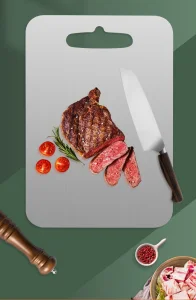
Premium Titanium Cutting Board 100% Pure Titanium Cutting Boards for Kitchen
Inquire Now
Premium UV Resistant Marble Board with Durable Aluminum Frame
Inquire Now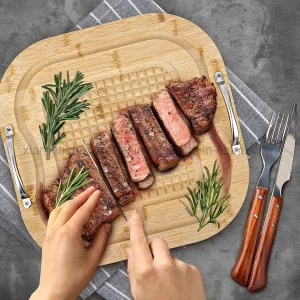
Premium Bamboo Butcher Block Cutting Board with Juice Groove
Inquire Now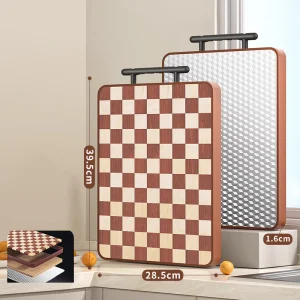
Multi-Purpose Acacia Cutting Board - Ideal for Professional Chefs
Inquire Now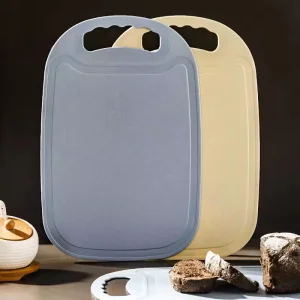
Chopping Board Set of 3 Plastic Chopping Board with Juice Grooves & Garlic Press Groove Cutting Board PP
Inquire Now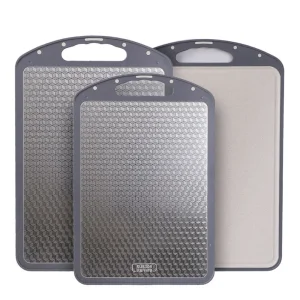
Kitchenware Schneidebrett Double-Sided Stainless Steel Dishwasher Safe Cutting Board Set Customized Large Chopping Board
Inquire Now
Kitchen Cutting Board Mats Set Flexible Plastic PP Different Colors Cheap Hot Sale
Inquire Now