Chef Base Kitchen
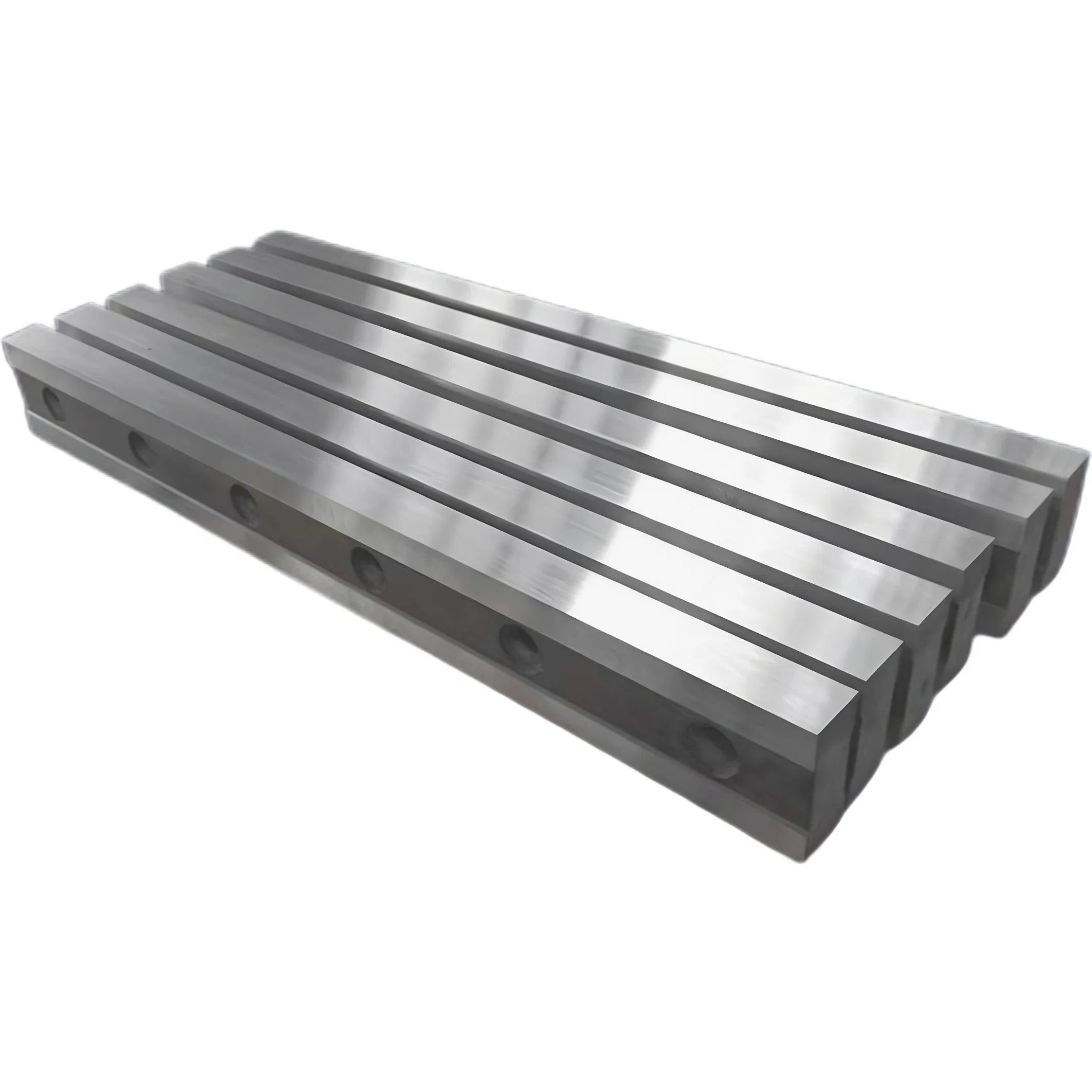
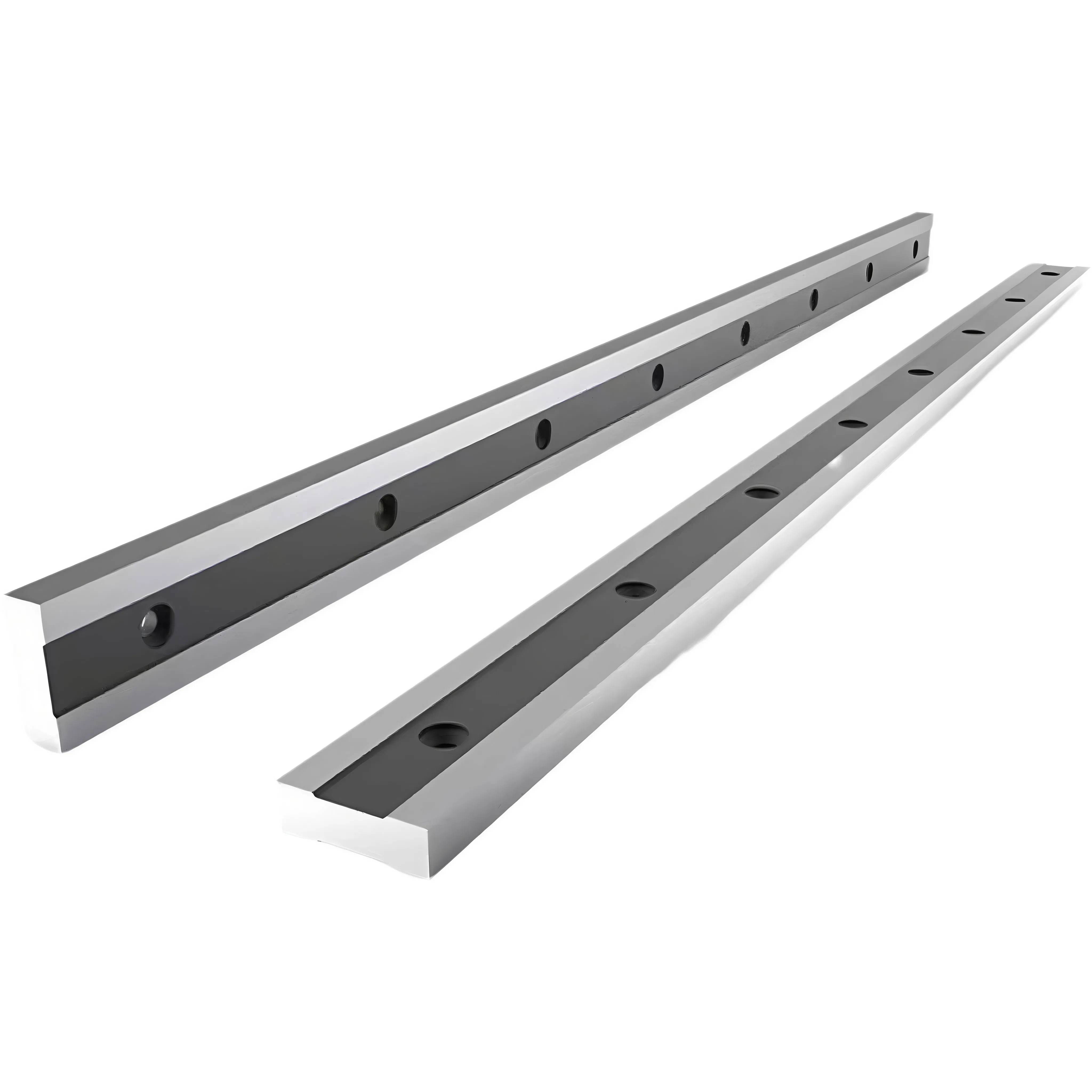
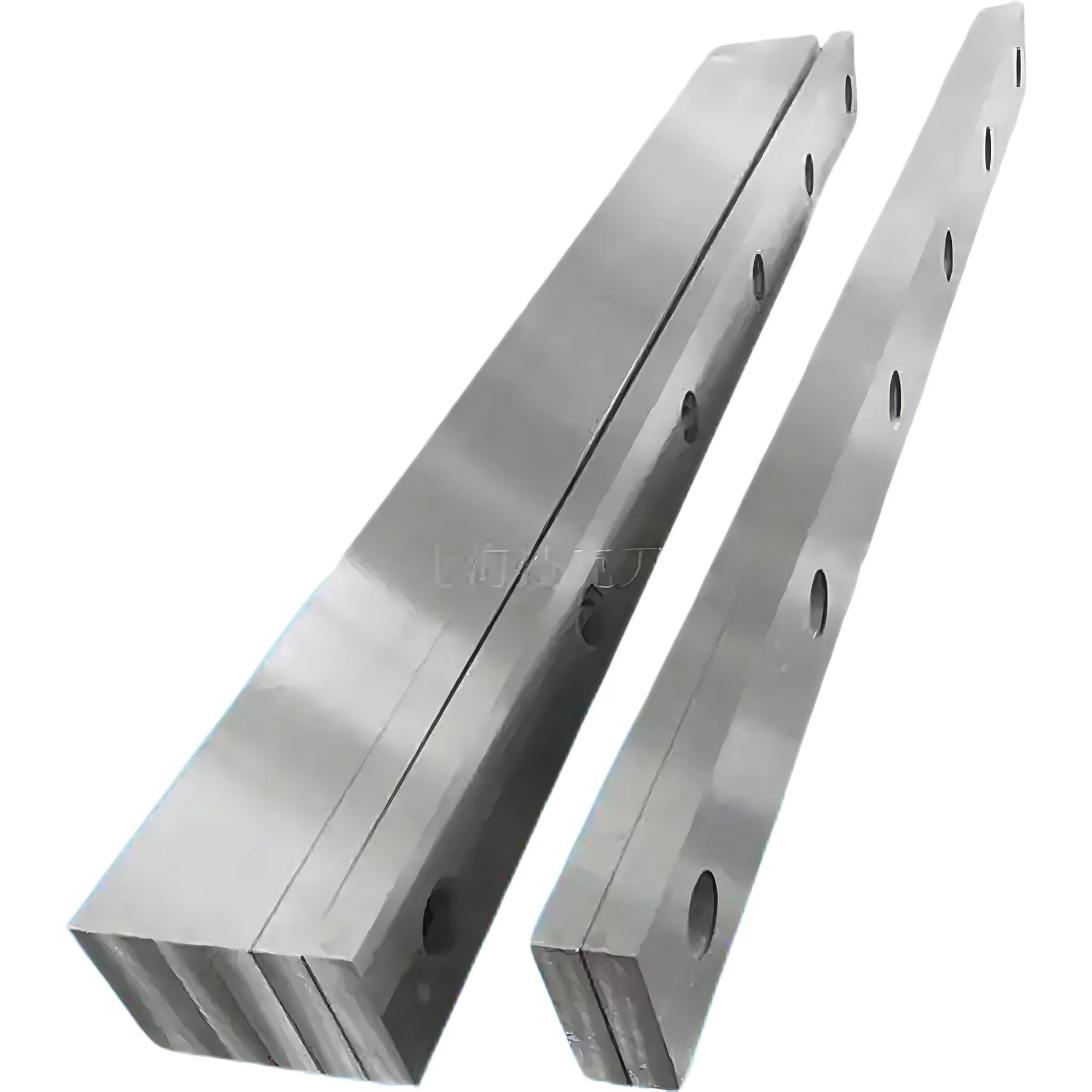
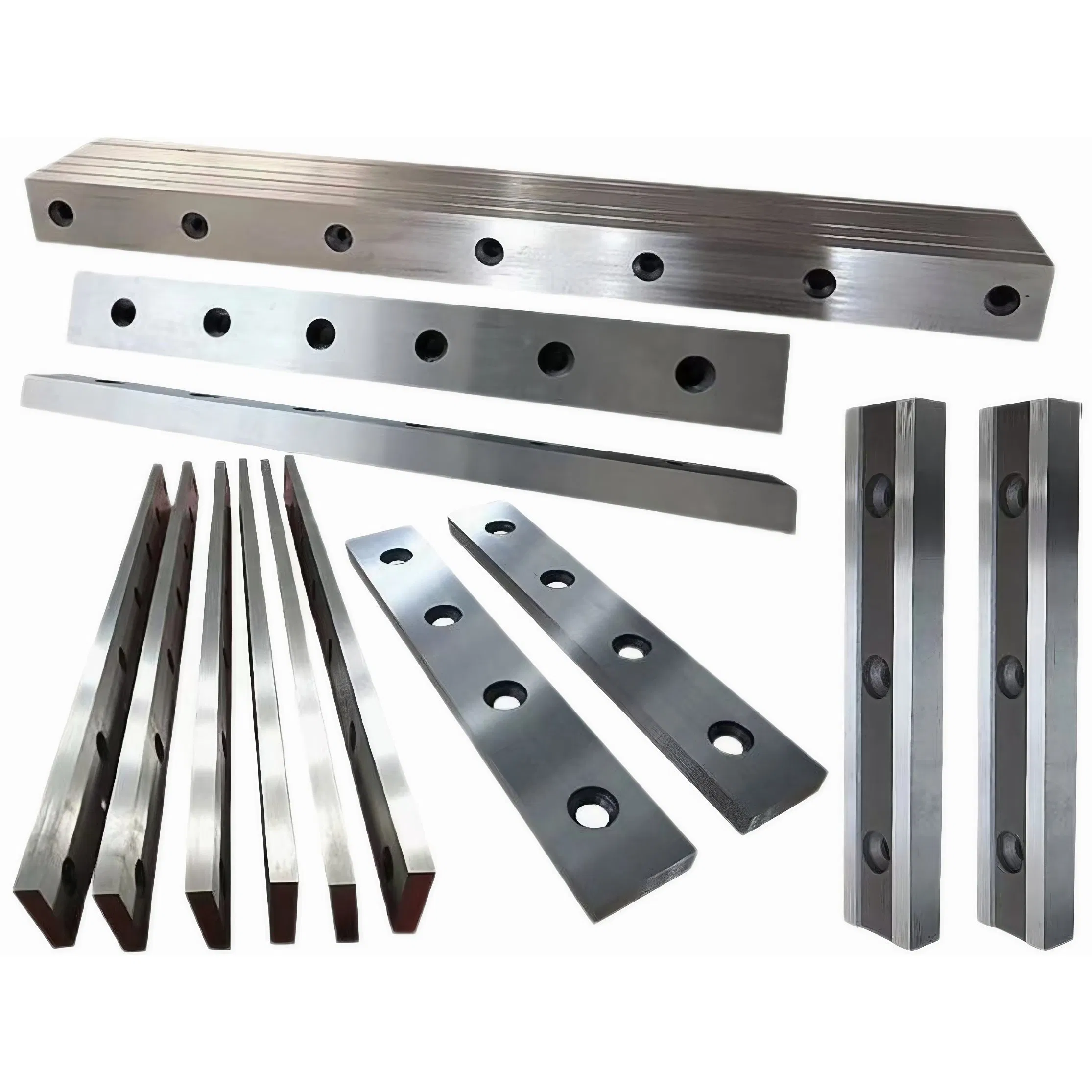
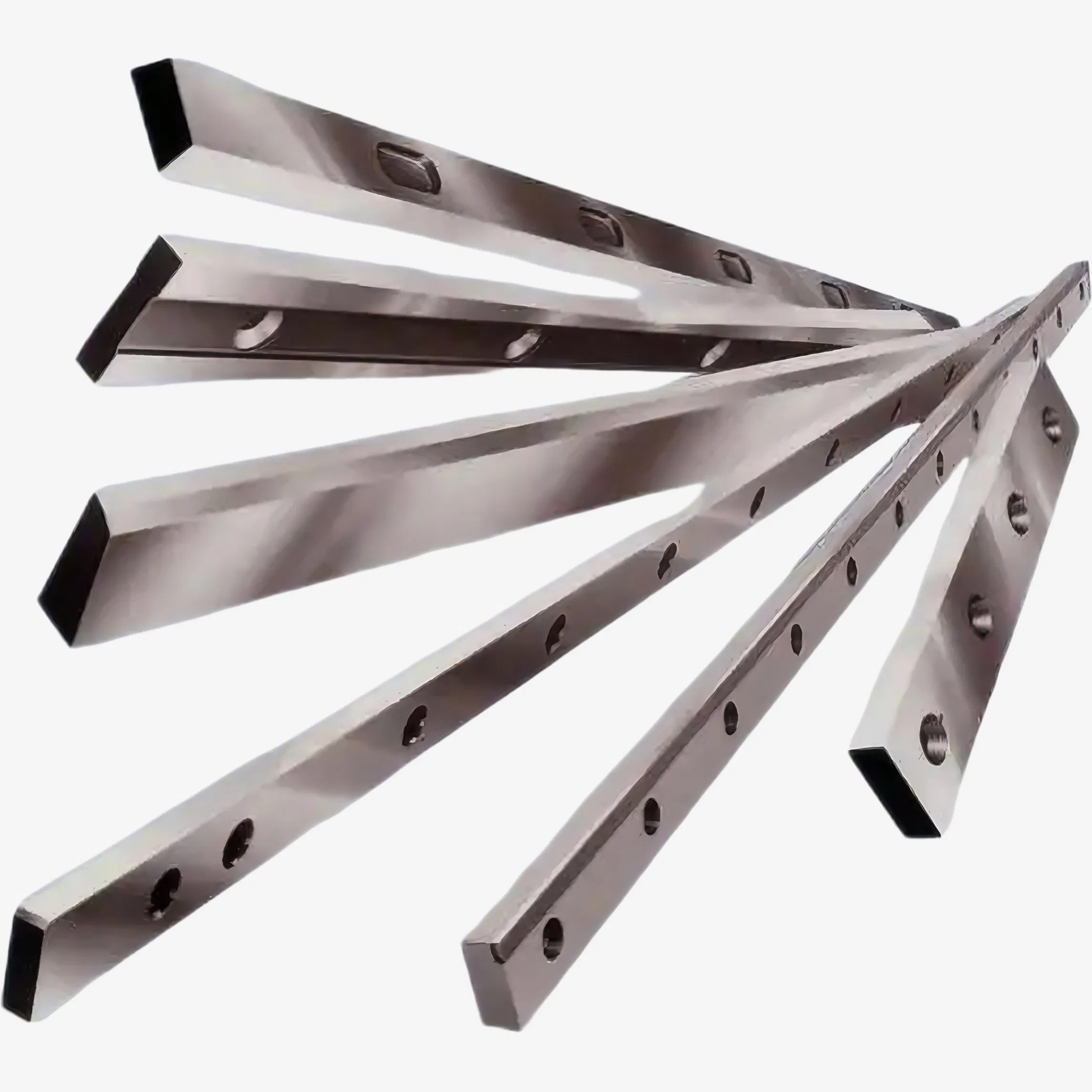
Heavy-Duty Plate Shear Blades, Powerful Thick Steel Cutting
Product Description
Shearing machine blade: The core principle for selecting the material of a plate shear blade lies in balancing wear resistance and toughness. Different materials correspond to different types and thicknesses of sheared plates, resulting in significant differences in application scenarios.
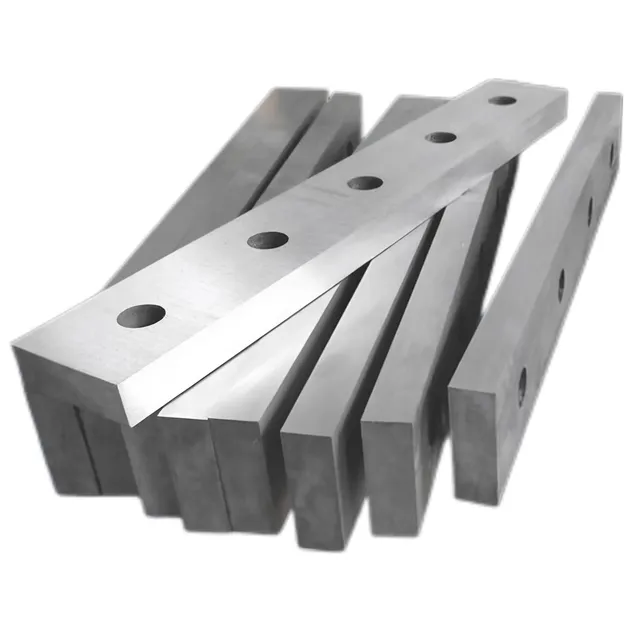
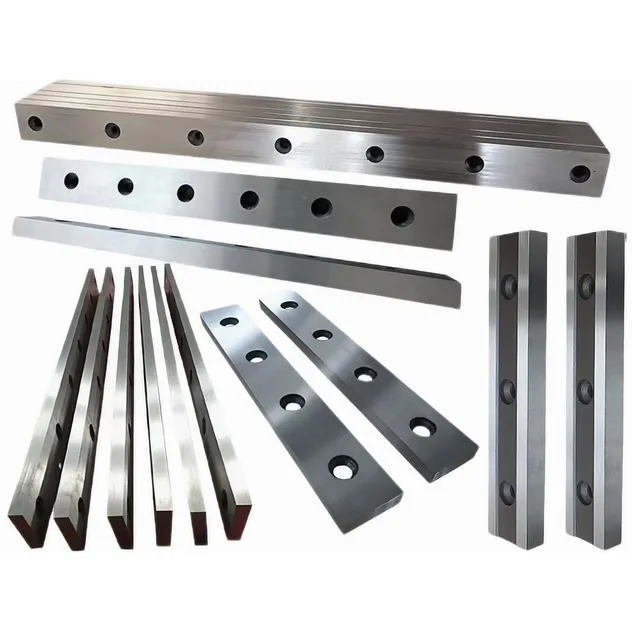
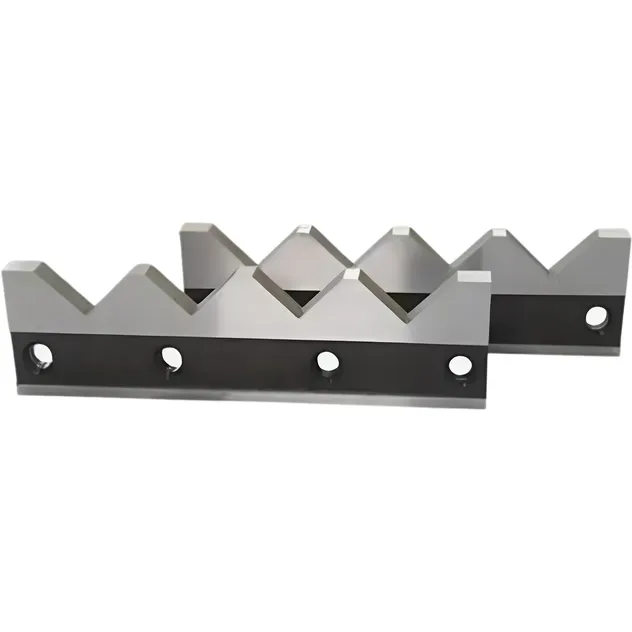
Main Material Categories and Their Characteristics: The materials of plate shear blades are mainly divided into three categories: alloy tool steel, high-speed steel, and cemented carbide.
1. Alloy Tool Steel
Grades: 9CrSi, Cr12MoV, D2
Characteristics: Moderate hardness (HRC 58-62) and good toughness, with strong impact resistance and moderate cost.
Applications: Suitable for medium and thin plates like ordinary low-carbon steel, stainless steel, and copper (thickness ≤ 20mm).
2. High-Speed Steel
Grades: W6Mo5Cr4V2
Characteristics: High hardness at elevated temperatures (HRC 63-66), excellent red hardness, and superior wear resistance.
Applications: Suitable for high-strength steel plates, spring steel, and continuous operation scenarios.
3. Cemented Carbide
Type: WC-Co Series
Characteristics: Extremely high hardness (HRA 89-93) and top-tier wear resistance; precision-focused.
Applications: Cutting ultra-thin high-strength plates and scenarios requiring extreme cutting accuracy.
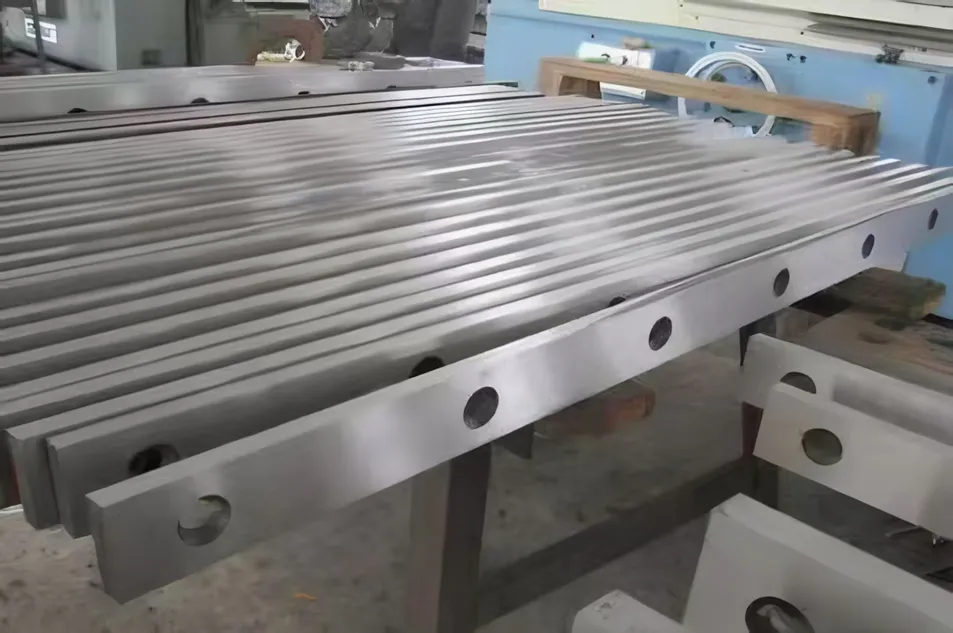
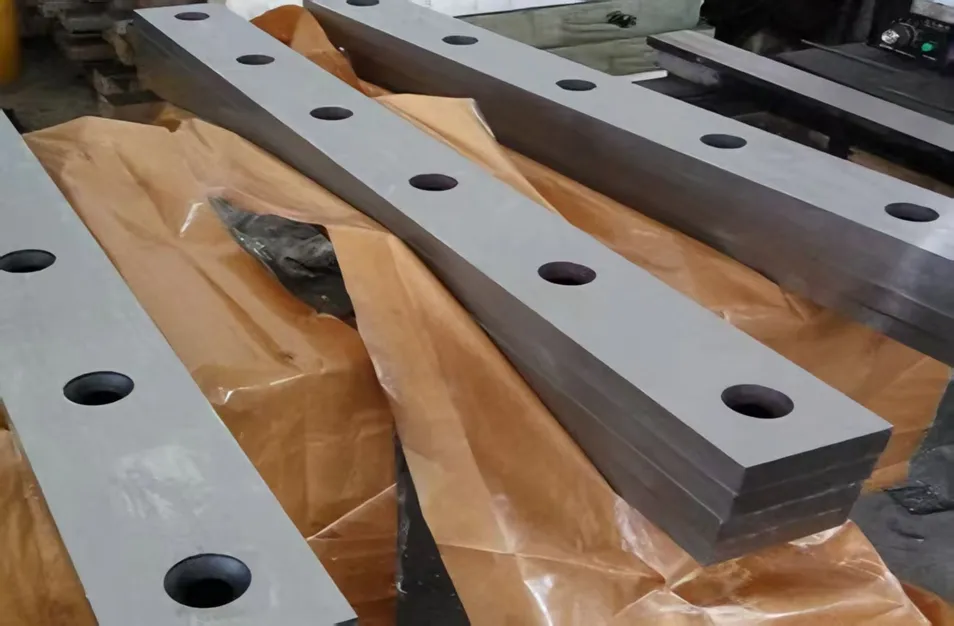
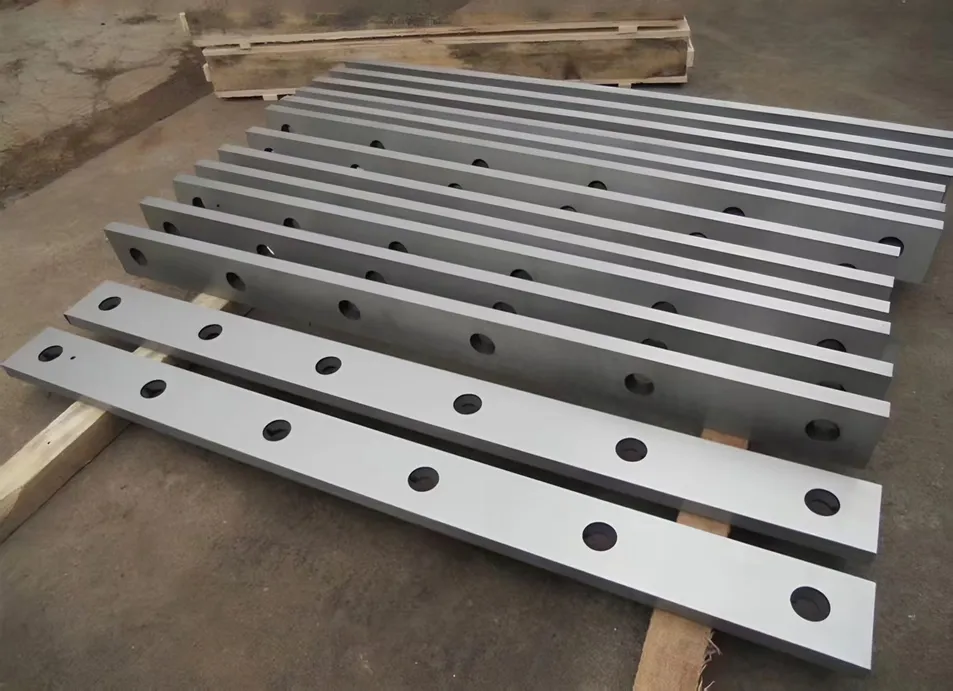
| Category | Details | Notes |
|---|---|---|
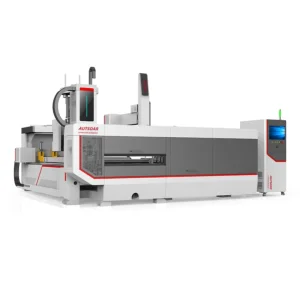
| Applicable Equipment | Plate shears, panel cutting machines, etc. | Device model must be matched |
| Processed Materials | Metal, plastic, rubber, etc. | Material dictates blade choice |
| Manufacturing Materials | Tungsten carbide, alloy steel, HSS, D2, SKD11, DC53, 9CrSi | Affects wear resistance |
| Heat Treatment Hardness | HRC 56-80 | Based on blade material |

Our company is dedicated to the design and manufacture of bending machine moulds and mechanical cutting tools for various industries within the sheet metal processing sector. Our products include various types of mechanical blades, such as circular blades, blades for plastic, rubber, packaging, printing, food, pharmaceutical, and metal processing industries.