Chef Base Kitchen
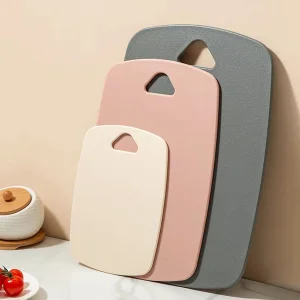
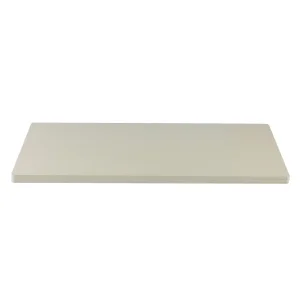
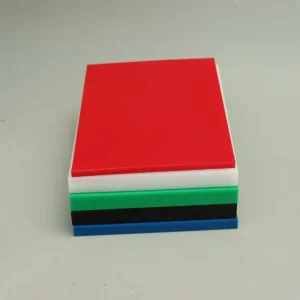
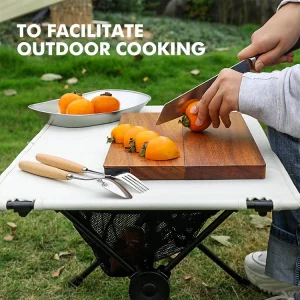
Pioneering Commercial Prep Board Manufacturing Since 1996
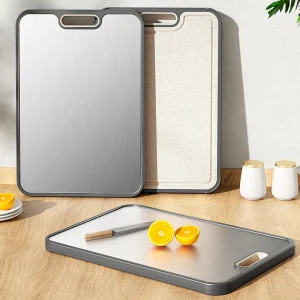
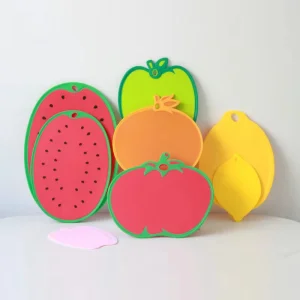
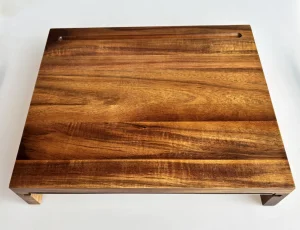
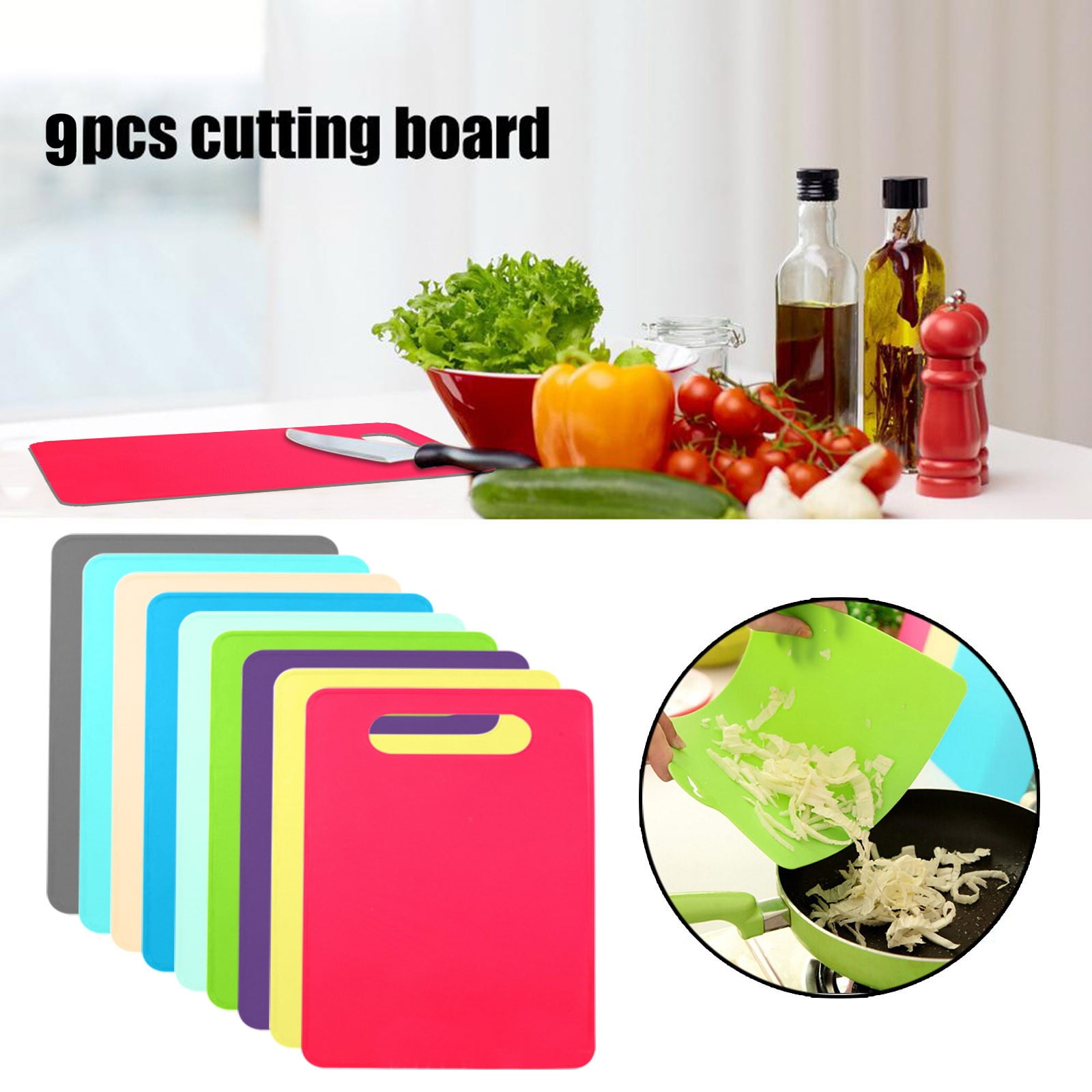
Established in 1996, Ningbo Chef Base Kitchen Co., Ltd. has dedicated over 27 years to the research, development, and high-precision production of polymer cutting boards and complex culinary accessories. Our manufacturing complex leverages advanced automated extrusion and compression-molding processes to design surface solutions that satisfy the requirements of global hospitality chains, industrial food processors, and premium consumer kitchen brands.
As a pioneer in the design of antibacterial cutting surfaces, our design and mechanical innovations are backed by 20 proprietary design patents. This ensures that every OEM/ODM project we deliver reflects state-of-the-art developments in antimicrobial efficacy, ergonomic structural integrity, and durability.
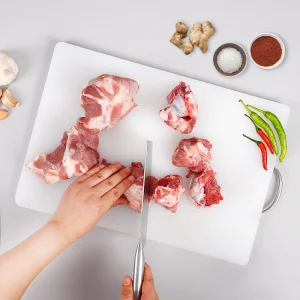
The global commercial food preparation industry is undergoing a structural transition. Regulators such as the FDA, EFSA, and regional health departments are enforcing stricter sanitary protocols to eliminate foodborne pathogens and cross-contamination risks. Consequently, traditional wooden cutting boards are being systematically replaced in commercial kitchens by high-performance polymer surfaces like high-density polyethylene (HDPE), polypropylene (PP), and ultra-high-molecular-weight polyethylene (UHMWPE).
In large-scale food processing facilities, the demand for customizable cutting panels has transitioned from standard rectangular boards to complex, CNC-routed machinery components. Modern food production lines require surface templates that fit exactly into processing structures, resist high-pressure washdowns, and maintain mechanical structural integrity under continuous load.
At the same time, consumer kitchenware brands are demanding OEM/ODM manufacturers deliver high-performance materials previously reserved for commercial processing. Our raw material formulations, which include specialized copolymer blends, non-porous surface textures, and integrated antibacterial properties, address the high-volume requirements of global brand managers and purchasing directors looking for reliable, long-term supply solutions.
Polymer Customization
Developing material options including food-grade PP, HDPE, and UHMWPE, balanced for structural hardness, tensile strength, and blade preservation.
Antimicrobial Chemistry
Integrating non-leaching, silver-ion and zinc-based antibacterial technologies directly into polymer matrices for continuous sanitation.
CNC Routing & Design
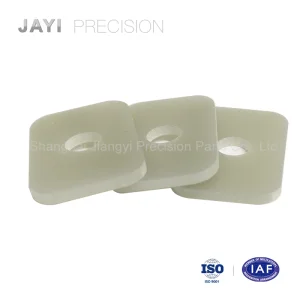
Employing high-precision computer-guided machining tools to deliver exact chamfering, fluid channels, grip profiles, and custom assembly interfaces.
The development of premium food prep systems is driven by material science innovations and environmental initiatives. In the OEM/ODM sector, several clear developmental trends are changing procurement requirements:
- Eco-Composite Formulations: Incorporating natural agricultural byproducts—such as wheat straw, bamboo fibers, and organic fillers—into thermoplastic resin matrices. This reduces virgin plastic consumption without compromising mechanical performance or sanitization parameters.
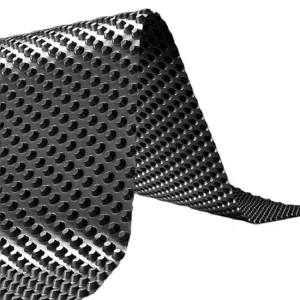
- Textured Surface Engineering: Moving away from smooth finishes toward micro-textured surfaces that prevent hydraulic suction under wet conditions while keeping the board easy to clean.
- Intelligent Material Tracking: Incorporating RFID or visual tracking identifiers in industrial food prep operations to comply with strict HACCP rotation protocols.
- Integrated Multi-Material Systems: Co-injecting rigid structural polymers with elastomeric thermoplastic rubbers (TPE) to manufacture slip-resistant bases without using adhesives.
Custom kitchen solutions must meet localized requirements depending on the target market. Different regions enforce distinct food safety standards that affect raw material selection and product design:
North American Markets: NSF International (specifically NSF/ANSI Standard 2 for Food Equipment) dictates requirements in commercial food zones. Cutting boards must have completely non-porous surfaces and resist repeated chemical washing. Material selections like food-grade HDPE (PE1000) or high-density PP are ideal because they resist degradation from bleach and sanitizer exposures.
European Union Compliance: EU Regulation (EC) No 1935/2004 and Regulation (EU) No 10/2011 govern plastics intended to come into contact with food. These standards require strict control over migration limits of chemical substances. Every composite raw material, pigment, and antimicrobial agent must undergo migration analysis to verify food safety under high temperatures.
Industrial & Construction Scenarios: PP Honeycomb and structural panels (e.g., 4X8 core panels) are used in temporary clean-room setups, industrial enclosures, and building templates. These applications require high flexural strength, moisture resistance, and lightweight profiles to optimize structural performance in modern facility design.
Phase I: Advanced Bio-Polymer Formulations
Integrating agricultural byproducts like wheat straw and rice husk fibers into polypropylene and polyethylene structures. This reduces reliance on petrochemicals while maintaining food safety certifications.
Phase II: Precision Co-Extrusion and Dual-Density Cores
Developing dual-density co-extruded boards with a strong, warp-resistant inner core layered between two soft, blade-friendly outer skins. This design increases the lifespan of commercial cutting boards.
Phase III: Smart Production and CNC Automation
Implementing smart, automated CNC routing lines integrated with visual quality control cameras. This system ensures every board meets exact dimensional tolerances down to ±0.1mm for large industrial orders.

Healthy & Antibacterial
Using advanced materials and manufacturing technologies, we integrate antibacterial properties directly into our cutting boards for long-lasting hygienic protection.

Safe Use
Our slip-resistant designs and blade-friendly surface textures provide stability during use while extending the lifespan of your knives.

Eco-Friendly Concept
We prioritize sustainable sourcing and clean manufacturing, producing recyclable boards that help minimize the environmental footprint of global kitchens.

Ergonomic Design
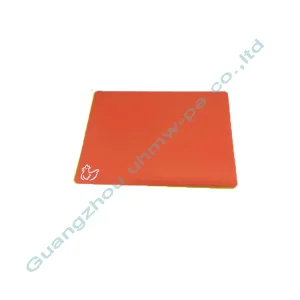
Featuring color-coded prep guides, integrated juice grooves, and convenient storage handles, our designs make daily kitchen tasks easier and more efficient.