 Chef Base Kitchen
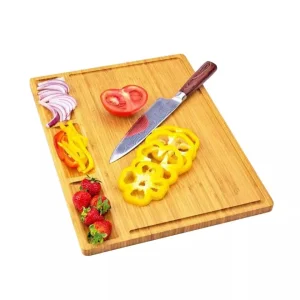
Core Juice Groove Cutting Boards for Mulifanua Buyers
Four flagship SKUs engineered for hotel kitchens, resellers and food processors operating in Mulifanua and the wider Samoan market.
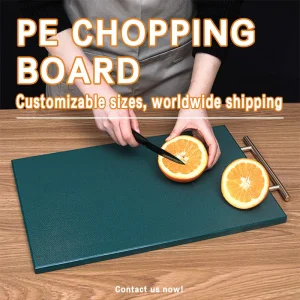
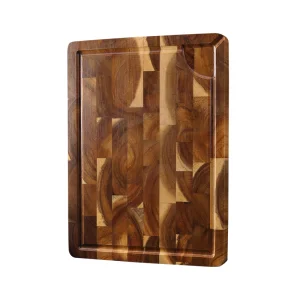
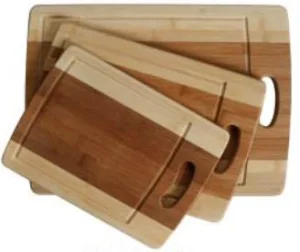
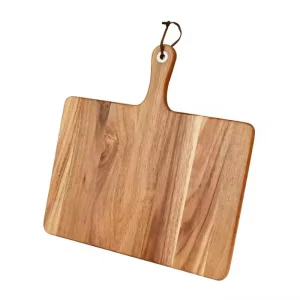
Proven Capacity Behind Every Mulifanua Shipment
Decades of manufacturing discipline, patent-protected innovation and export-ready compliance — the evidence base that supports E-E-A-T confidence for Pacific buyers.
Why Mulifanua Represents a Strategic Growth Corridor for Juice Groove Cutting Boards
A regional market intelligence briefing for distributors, hotel procurement teams and food-service operators.
Mulifanua sits at the north-western tip of Upolu in Samoa, anchored by the ferry terminal that links the two main islands and positioned in close proximity to Faleolo International Airport. This geographic advantage has quietly transformed the area into a logistics and hospitality gateway for the entire nation. As tourism infrastructure expands along the north coast and food-service investment grows, demand for professionally manufactured, food-safe kitchen equipment — and juice groove cutting boards in particular — has risen sharply.
For global suppliers, Mulifanua is not simply a small domestic market. It is an entry node into the South Pacific procurement ecosystem, where products arriving at the ferry terminal and airport corridor are redistributed to resorts, cafés, hospital kitchens, schools and independent grocers across Samoa. Choosing the right factory partner for this corridor means understanding both the local commercial reality and the international compliance expectations that govern food-contact equipment throughout the Pacific.
"Mulifanua buyers are not purchasing a cutting board — they are purchasing a hygienic assurance, a lifecycle cost model and a reliable replenishment channel across an ocean."
The Commercial Landscape Around Mulifanua
Understanding who buys, why they buy, and what constrains them — the foundation of semantic search alignment with real purchasing behavior.
Hospitality & Resort Kitchens
Beachfront resorts and boutique hotels along the north coast require NSF-aligned, juice-groove-equipped boards to manage meat, fruit and seafood prep on a daily basis, often in humid, salt-air environments.
Food Retail & Grocery Resellers
Independent hardware and kitchenware stores in the Mulifanua corridor stock cutting boards as consumer goods; they prioritize compact packaging, retail-ready branding and reliable container consolidations.
Public Institutions & Catering
Schools, hospitals, church kitchens and government catering contracts specify plastic or bamboo boards with juice grooves for cost predictability, non-porosity and ease of sanitation in communal food preparation.
Ferry-Terminal Trade Flow
Because Mulifanua hosts the inter-island ferry hub, goods often land here and then travel onward to Savai'i. Consignments must therefore be robustly packed and documented for multi-hop distribution.
Climate-Driven Product Needs
Tropical humidity accelerates warping and microbial growth in untreated materials. This directly favors end-grain hardwood boards, carbonized bamboo and closed-cell PE plastic — all core strengths of our factory.
Waste & Replacement Cycles
Frequency of replacement in commercial kitchens drives demand for consistent quality and repeatable specifications — a strong argument for stable factory partnerships rather than opportunistic sourcing.
Industry Trends Reshaping Juice Groove Cutting Board Demand
The global kitchen equipment market is evolving — and every shift ripples into Pacific procurement decisions.
1. Hygiene-First Design Becomes Non-Negotiable
Post-pandemic food safety expectations have hardened. Buyers increasingly understand that a juice groove is not a decorative detail but a functional liquid-capture channel that prevents cross-contamination of countertops and adjacent food. This has elevated the juice groove from "nice to have" to a spec-sheet requirement across hospitality procurement in the Pacific.
2. Material Diversification: Bamboo, Acacia, Walnut and PE
Bamboo continues to dominate volume demand due to renewability and dimensional stability. Acacia and black walnut serve premium and gift-oriented segments, while PE (polyethylene) remains the workhorse of institutional kitchens because it is non-porous, dishwasher-safe and remarkably durable under daily commercial use.
3. Antibacterial and Non-Porous Engineering
Our factory has pioneered antibacterial cutting board technology with 20 design patents. In humid tropical markets like Samoa, antimicrobial additives and closed-surface construction measurably extend product life and reduce odor retention.
4. Multi-Function & Charcuterie Formats
Consumers and resorts increasingly purchase boards that double as serving platters, cheese displays and charcuterie trays. Handles, integrated dividers and food-sliding openings are becoming differentiators in retail channels and gift markets.
5. Sustainability and Recyclability
From raw-material sourcing to production, the industry is moving toward recyclable, low-impact inputs. Environmental responsibility is now part of supplier scorecards, especially for institutional and government tenders.
What International Buyers Expect From a Cutting Board Factory Today
Pacific importers inherit global standards — the same benchmarks that govern European, Australian and North American supply chains flow into Mulifanua via resort operators and procurement agents.
| Procurement Requirement | Buyer Expectation | Our Factory Response |
|---|---|---|
| Food-Contact Safety | FDA-aligned materials, non-porous surfaces, antimicrobial options | Antibacterial PE and bamboo lines, patent-protected formulations |
| Customization | Custom sizes, thickness, logos, packaging | Full OEM/ODM with 20 design patents & 28+ years of tooling |
| Consistency | Repeatable specifications across reorders | Standardized QC across plastic, bamboo and hardwood lines |
| Compliance | Documentation for import & retail | Export documentation, material declarations, batch traceability |
| Logistics | Container-friendly packing, consolidation | Optimized cartons engineered for multi-hop Pacific freight |
| MOQ & Lead Time | Flexible scale for island markets | Tiered MOQ and production scheduling for smaller Pacific volumes |
End-to-End Supply Solutions for the Mulifanua Corridor
Beyond a product catalogue, sustainable supply requires a system-level architecture covering design, manufacturing, compliance and delivery.
Modular Product Architecture
A unified range spanning PE plastic, bamboo, acacia and walnut — enabling one supplier, one document set and one logistics plan for the entire board category, reducing procurement complexity for Pacific buyers.
Customization & Private Label
From laser-engraved resort logos to retail-ready shelf packaging, we engineer brand differentiation at the factory level so that Mulifanua resellers can compete with imported premium brands.
Compliance & Documentation
Material safety declarations, batch traceability and export-ready paperwork reduce the friction of import clearance in Samoa and onward distribution to Savai'i and other Pacific territories.
Logistics Engineering
Cartons are dimensioned to maximize container utilization while protecting boards against humidity and impact during the long sea freight journey from Ningbo into the South Pacific.
Localized Support & Compliance Assurance for Samoa
Reliability is a service, not a certificate. Our commitment to the Mulifanua market combines factory-level quality assurance with responsive, culturally aware commercial communication.
Documentation Ready for Pacific Import
We supply commercial invoices, packing lists, material declarations and product specifications suitable for Samoa's import clearance processes. For institutional and government-linked buyers, we can prepare additional compliance statements describing food-contact material safety and manufacturing controls.
Samoa Time-Zone Responsiveness
Samoa operates on a time zone closely aligned with major Asian manufacturing hubs (UTC+13 vs UTC+8 in China). This means buyers in Mulifanua can expect same-day responses during overlapping business hours, drastically shortening the quotation and sampling cycle compared to distant Western suppliers.
Flexible Order Sizing for Island Economies
We recognize that Pacific markets cannot always absorb 40HQ volumes. Our sales team structures tiered MOQs and mixed-container options so that resellers and mid-sized resorts in Mulifanua can access factory pricing without excessive inventory risk.
After-Sales & Replenishment Support
Repeat business is the backbone of cutting board supply. We maintain product records, packaging artwork and material specifications so that reorders can be executed with minimal re-approval, ensuring continuity for hotel chains and retailers expanding within Samoa.
The Future of Juice Groove Cutting Board Manufacturing
Where the category is heading — and how our factory is preparing for the next decade of Pacific demand.
Antimicrobial Integration
Deeper integration of antibacterial additives into PE and composite boards, validated through laboratory testing protocols.
Humidity-Stable Materials
Engineered hardwood and carbonized bamboo formulations optimized for tropical humidity in the South Pacific.
Smart Manufacturing & Traceability
Shop-floor data capture for batch-level traceability, supporting tighter quality assurance and reorder consistency.
Circular Material Programs
Expanded recyclability pathways and responsibly sourced and certified wood, aligned with sustainability-driven procurement.
Built on Decades of Cutting Board Expertise
Since its establishment in 1996, Ningbo Chef Base Kitchen Co., Ltd. has focused on the research and development and manufacturing of kitchen cutting boards.
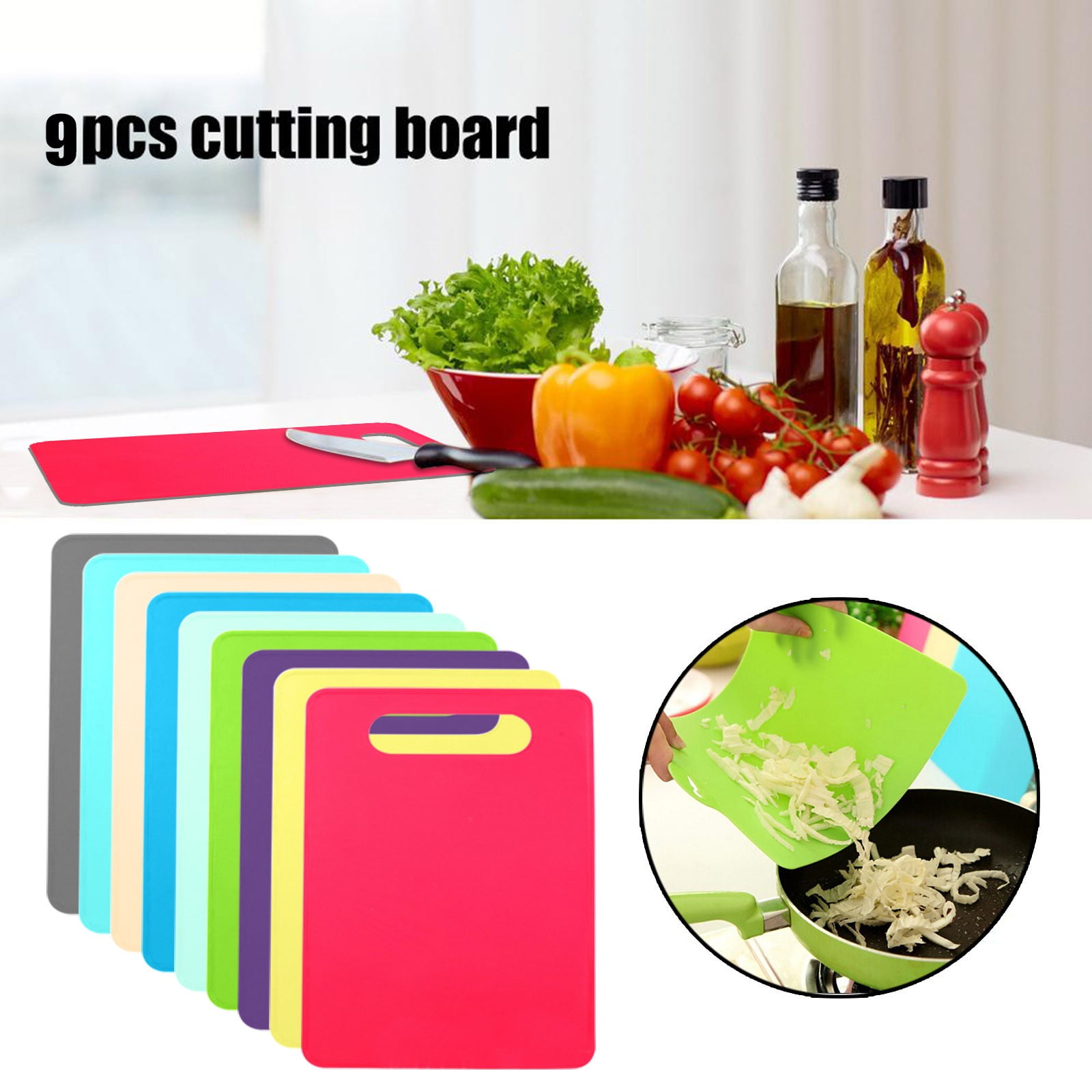
In the field of plastic cutting board production, we have always led the industry with our rich experience and innovative spirit. As the pioneer of antibacterial cutting boards, we have 20 design patents to ensure that our products are always at the forefront in terms of functionality and innovation, aiming to meet the increasingly diverse needs of consumers.
The vision of Ningbo Chef Base Kitchen Co., Ltd. is to reshape the value of cutting boards in the kitchen. We know that although cutting boards are inconspicuous, they play a vital role in the cooking process. We are fully committed to creating healthy, safe, environmentally friendly and easy-to-use cutting boards, making them an indispensable part of the kitchen.

Healthy and Antibacterial
Using cutting-edge technology and high-quality materials, we ensure that the cutting board has long-lasting antibacterial properties to protect the health of you and your family.

Safe Use
The anti-slip design and knife protection mechanism of the cutting board make you feel more at ease when cooking, while extending the life of the knife.

Environmental Protection Concept
From raw material procurement to production and manufacturing, we adhere to the principle of green environmental protection, ensure that the product is recyclable, and contribute to environmental protection.

Humanized Design
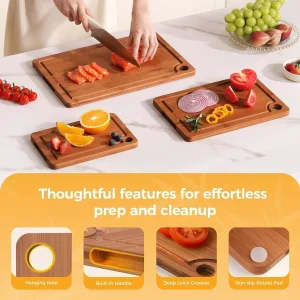
Raw and cooked separation, water guide groove, easy to clean and store, every detail is designed to optimize your cooking experience.
Frequently Asked Questions — Mulifanua Procurement
Direct answers to the questions most commonly raised by Pacific buyers, distributors and hospitality teams.
What makes a juice groove cutting board different from a standard cutting board?
Which materials are best suited to Samoa's tropical climate?
Can you customize boards with our resort or retail branding?
What is the minimum order quantity for buyers in Mulifanua?
How is food-contact safety assured?
How long does shipping to the Mulifanua area typically take?
Do you support reorders and long-term supply agreements?
More Juice Groove Cutting Boards for Mulifanua Sourcing
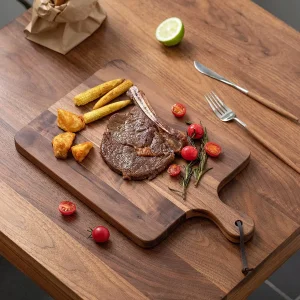
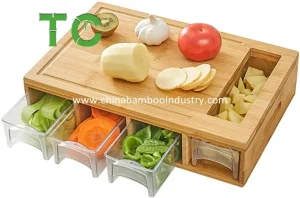
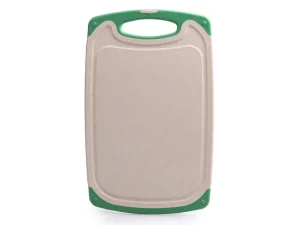
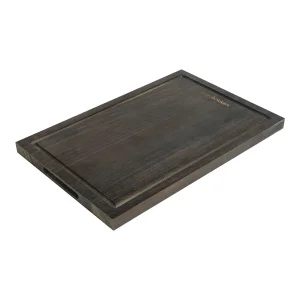
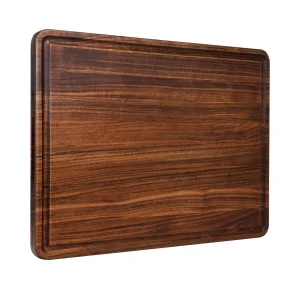
Eight additional factory-direct options spanning acacia, bamboo, walnut and plastic — all available for OEM/ODM programs and container consolidation.
Secure Your Juice Groove Cutting Board Supply for the Mulifanua Market
Speak directly with our export team about OEM/ODM programs, mixed-container options and compliance documentation tailored to Samoa and the wider South Pacific.
Send Inquiry Now