Chef Base Kitchen
Innovative Commercial-Grade Prep Surfaces & Machinery
Precision-engineered food safety solutions for large-scale hotel operations, industrial catering, and commercial food preparation. Preserving peak knife longevity and compliance stability.
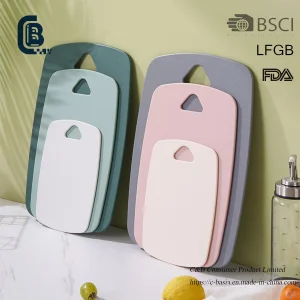
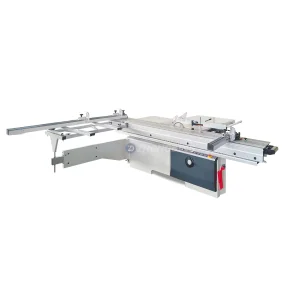
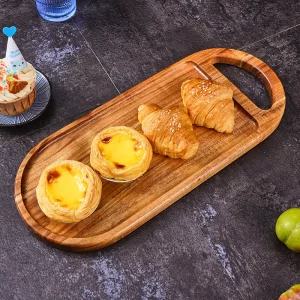
Reshaping Global Culinary Standards with Engineered Cooking Implements
Since our establishment in 1996, Ningbo Chef Base Kitchen Co., Ltd. has stood at the intersection of advanced material science and culinary ergonomics. The modern commercial kitchen presents an unforgiving environment: rapid throughput, intense chemical cleaning, high thermal stress, and the non-negotiable imperative of food safety. Standard prep platforms disintegrate under these conditions, presenting significant cross-contamination risks and regulatory vulnerabilities.
We recognize that the humble cutting board and food preparation surface constitute the most critical interface in culinary logistics. By focusing on antibacterial raw materials, structural integrity, and ergonomic geometry, we build assets that elevate kitchen operations. Our production lines integrate 28+ years of technical refinement, backed by 20 proprietary design patents, positioning Chef Base as the preeminent OEM/ODM partner for commercial suppliers worldwide.
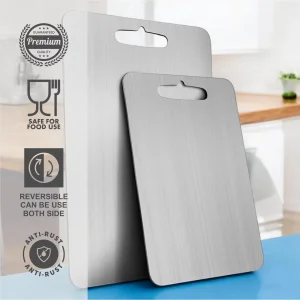
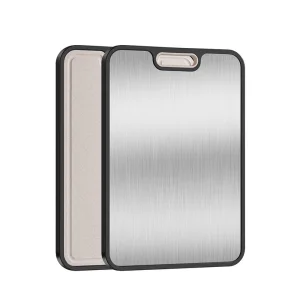
Whether manufacturing extra-thick HDPE boards for heavy butchery or crafting double-sided titanium and wheat straw matrices, we leverage structural analytics and safety-first manufacturing to guarantee absolute compliance with NSF, FDA, and LFGB frameworks.
Product Core Competencies & Innovations
How Ningbo Chef Base Kitchen Co., Ltd. builds elite cooking surfaces that protect health, tools, and the environment simultaneously.

Healthy & Antibacterial
Utilizing molecular silver-ion integration and food-grade compounds, we produce matrices with long-lasting antibacterial properties that combat pathogens without leaching chemicals into food products.

Safe Use & Blade Safety
Featuring precision micro-textured non-slip patterns that anchor boards firmly to stainless steel prep lines. Soft-density matrices absorb blade impact, extending knife sharpening cycles.

Environmental Concept
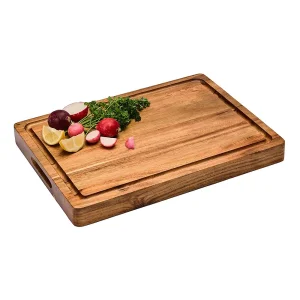
From bio-derived wheat straw compounds to sustainable acacia forestry and fully recyclable polymers, our entire lifecycle operates under strict carbon-mitigation guidelines.

Humanized Design
Engineered with deep juice-collecting channels, color-coded index tabs to prevent cross-contamination, integrated handling ergonomics, and optimized dishwasher-ready profiles.
Heavy Duty Cooking Implements: Industry Evolution & Market Demands
An analysis of the technological shift, compliance paradigms, and macro supply chains governing global foodservice hardware.
⚡ Advanced Hybrid Materials
Modern kitchens are rapidly abandoning single-composition cutting surfaces. High-performance prep areas now leverage co-extrusion technologies—pairing the durability of stainless steel/titanium with the shock-absorbing properties of high-density polymers or eco-friendly wheat straw. This hybrid approach delivers surfaces that are structurally warp-resistant, impervious to knife scoring, and inherently hygienic.
⚙️ HACCP & Color-Coded Separation
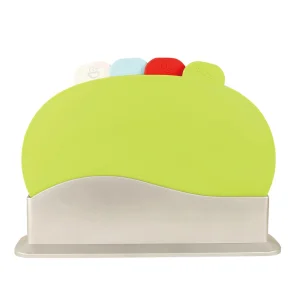
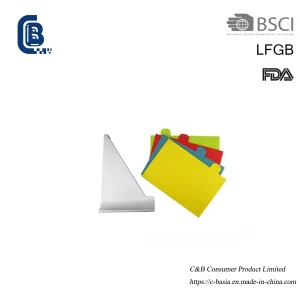
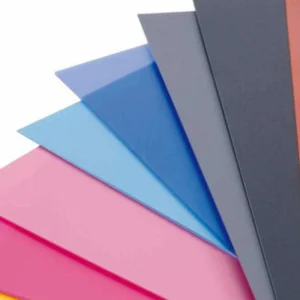
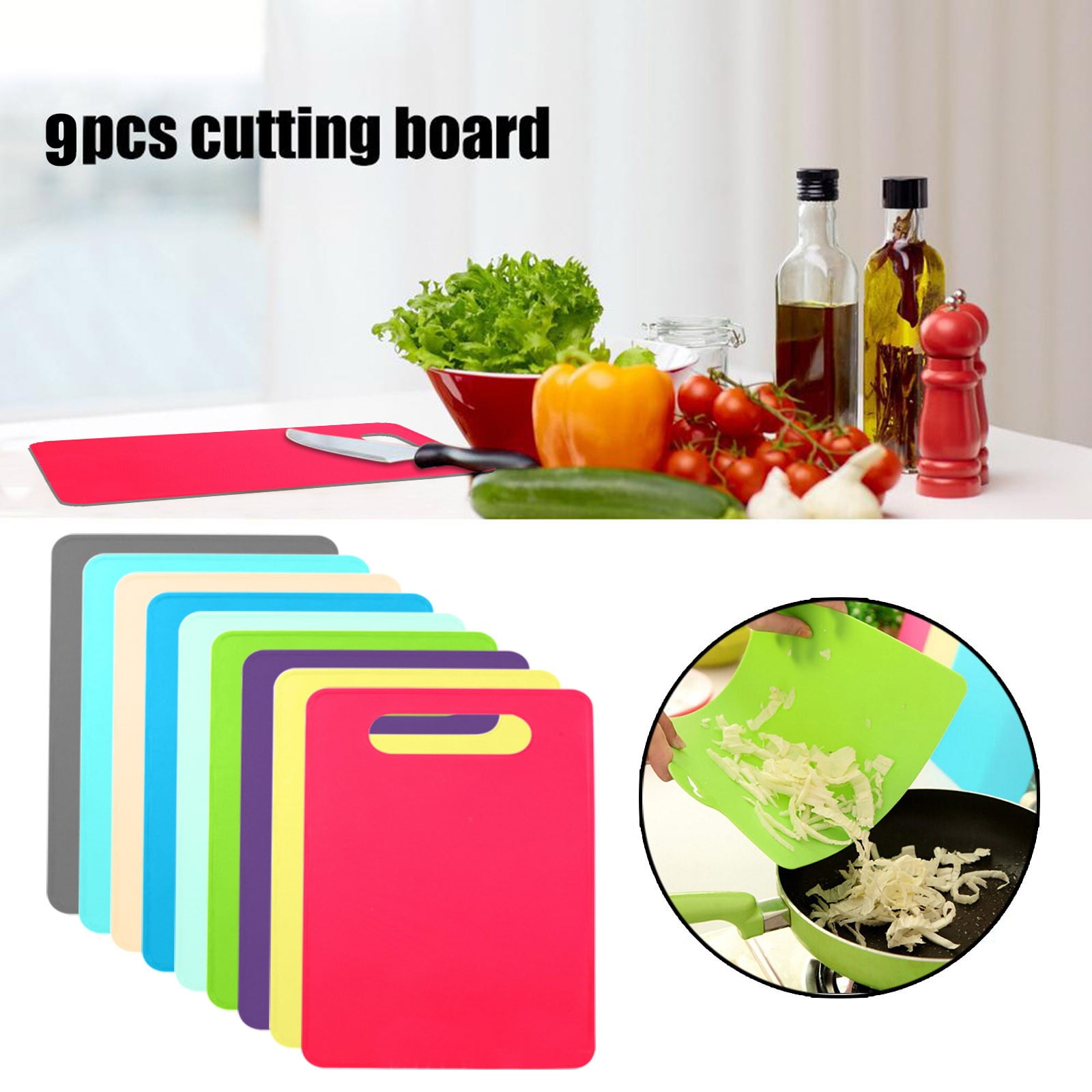
Global regulatory pressure from authorities such as the FDA and EFSA has made cross-contamination prevention a major compliance focus. High-volume kitchens utilize strict color-coded indices (e.g., Red for raw meat, Blue for seafood, Green for vegetables). Integrated index systems with specialized stands promote operational compliance and simplify staff training in high-turnover hospitality environments.
🌱 The ESG Procurement Mandate
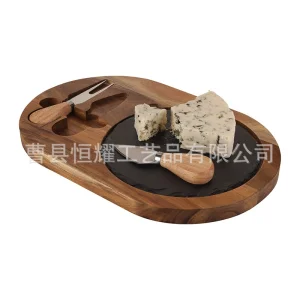
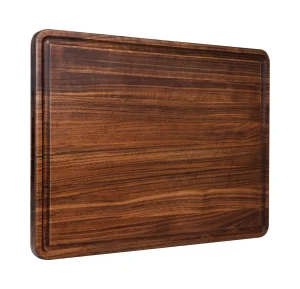
Procurement teams for multinational restaurant chains, cruise lines, and educational campuses are under strict corporate mandates to source carbon-neutral equipment. Incorporating post-industrial waste materials, such as wheat straw, alongside sustainably harvested hardwoods like Acacia and Walnut, meets this criteria without sacrificing the operational lifespan of the products.
Custom OEM/ODM Engineering & Technical Support
How we turn conceptual product demands into globally certified, commercial-grade realities.
Our Custom Development Workflow
-
1
Material Selection & Optimization: Choosing between food-grade HDPE, PP, Acacia wood, or medical-grade titanium matrices depending on blade load, temperature requirements, and cost targets.
-
2
CAD Modeling & Tooling: Our engineering department generates mold flows and structure files to optimize cooling rates and eliminate internal voids that cause warping.
-
3
Precision Prototyping & Stress Testing: Prototype boards undergo rigorous thermal cycling, high-pressure sanitizing, and mechanical shear testing.
-
4
Regulatory Certification: Submission of finalized production units to SGS, TÜV, or Intertek for FDA and LFGB chemical compliance certification.
Global Compliance & Safety Standards
Every commercial batch we ship meets global regulatory standards. Our QA protocols include:
💡 Looking for custom sizes, customized juice grooves, or integrated RFID tracking tags for inventory control? Our R&D team can design it.
Technological Roadmap (2025-2030)
How Ningbo Chef Base Kitchen Co., Ltd. is defining the future of commercial food prep hardware.
2025: Bio-Composite Matrices & Antibacterial Integration
Integrating natural wheat straw polymers with food-grade polypropylenes to achieve 40% reduction in plastic reliance without losing impact resistance or structural rigidity.
2027: Automated CNC Laser Scoring & Textured Micro-Channeling
Deploying next-generation CNC machinery to etch precise micro-textured patterns that increase grip safety under slippery/oily kitchen conditions by up to 35%.
2030: Fully Circular Product Lifecycle & Recycling Partnerships
Establishing global reclamation channels enabling B2B clients to return old cutting boards to be melted down and repurposed as non-food contact kitchen structures.
Technical Q&A: Commercial Preparation Surface Engineering
Detailed technical responses to common questions from B2B buyers, food safety auditors, and supply chain managers.
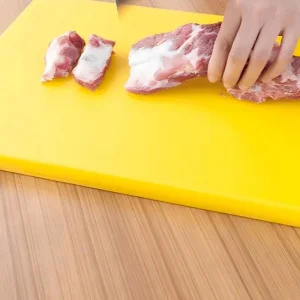
HDPE offers a unique combination of high impact resistance, low moisture absorption, and excellent chemical tolerance. Unlike standard polymers, it does not crack under heavy force, such as meat cleaver impacts, and is highly resistant to chemical degradation from commercial dishwashers and acid-based sanitizers. This ensures a long operational lifespan and helps maintain food safety standards.
Our boards incorporate a food-grade antibacterial additive directly into the polymer melt during the extrusion process. This ensures that the active compound is distributed evenly throughout the entire thickness of the board, rather than being applied only as a surface coating. As a result, the antibacterial properties remain effective even as the surface is naturally worn down by knife cuts over time.
Yes. Our commercial-grade HDPE and specialized PP compositions are formulated to withstand continuous temperatures up to 85°C (185°F), making them safe for standard commercial dishwashing cycles. To prevent warping at these high temperatures, we use advanced annealing processes that relieve internal stresses within the plastic matrix before delivery.
Our Minimum Order Quantity (MOQ) depends on the specific material and dimensions required, generally starting at 500 units for standard custom extrusions. The tooling design and manufacturing phase typically takes 25 to 30 days, followed by sample verification. Once samples are approved, mass production takes approximately 20 to 25 days depending on total order volume.
Our integrated juice grooves are engineered to collect excess liquids and runoff from food products, preventing liquid from spilling over onto the main prep table. This reduces the risk of cross-contamination and helps maintain a clean, dry, and safe workspace during busy kitchen service.
Heavy-Duty Hardware & Specialty Boards Portfolio
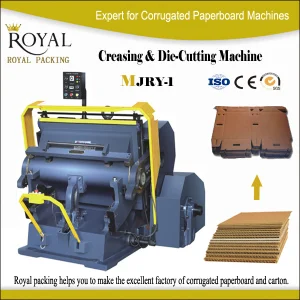
From advanced titanium and double-sided materials to heavy industrial board-cutting machinery.