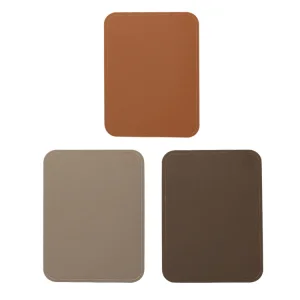
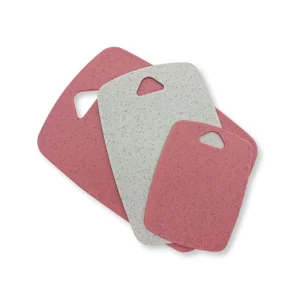
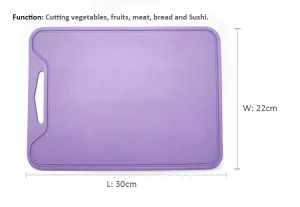
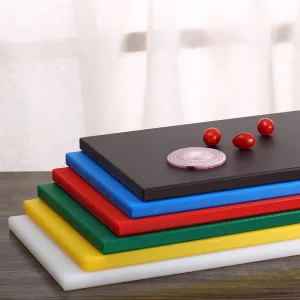
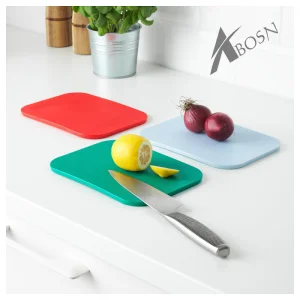
Chef Base Kitchen
1 / 5
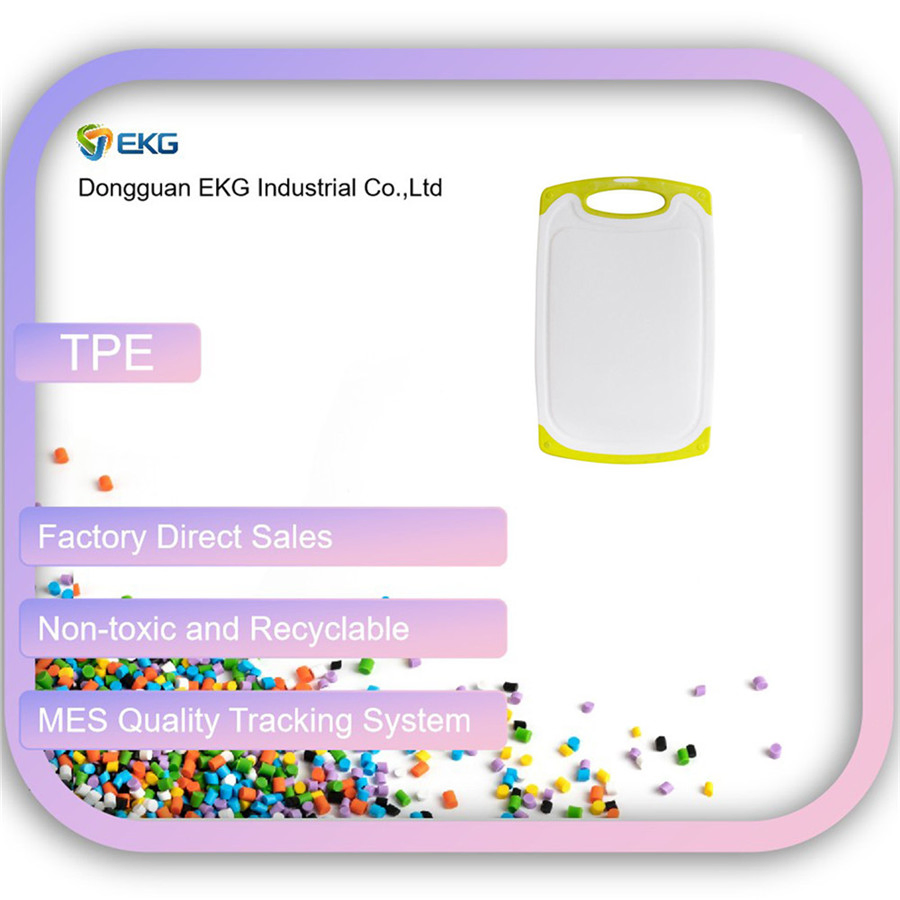
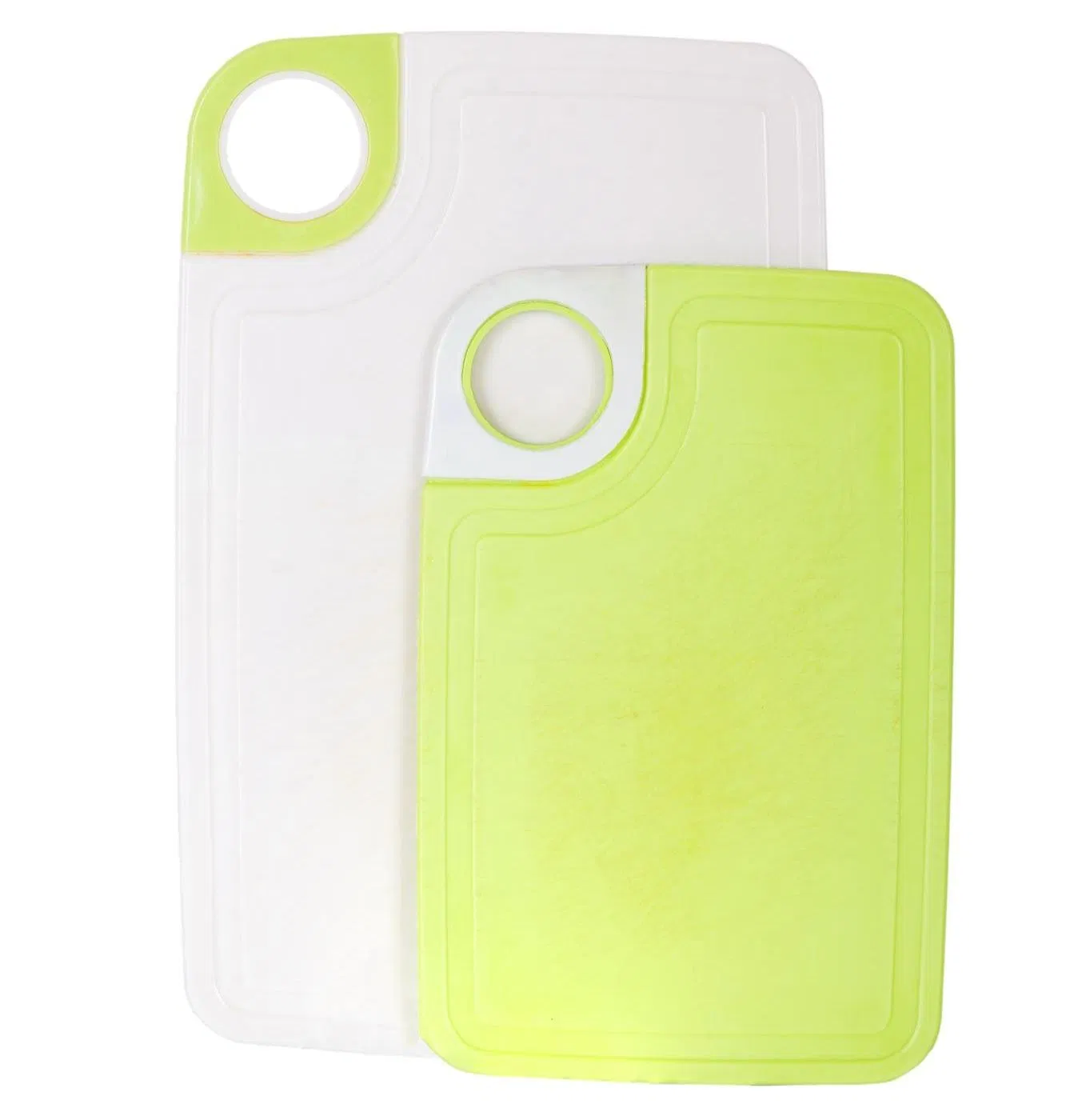
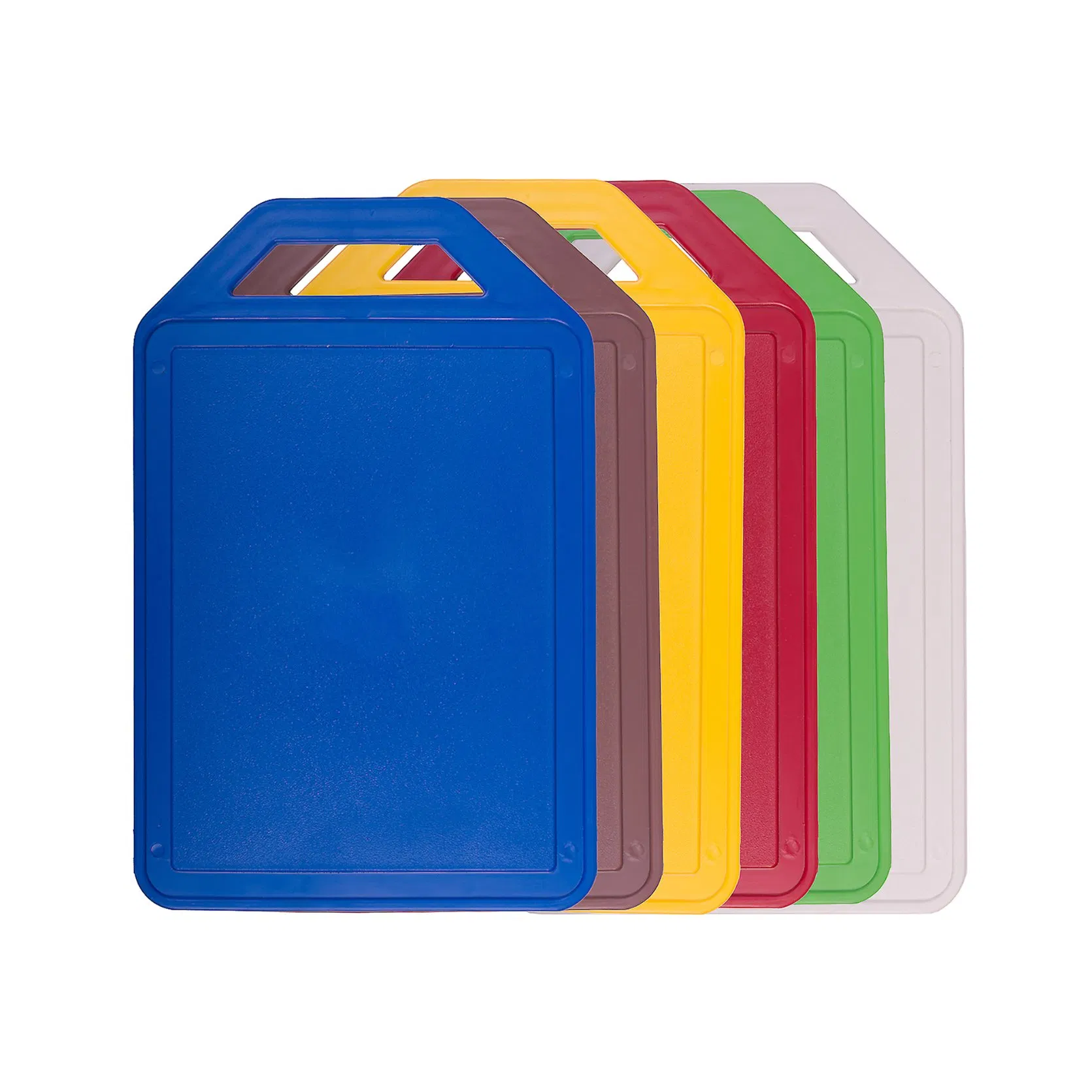
Food-Grade TPE Material for Cutting Board Manufacturing - Antimicrobial, Non-Slip & BPA-Free
Product Description
Basic Information
Plastic Properties:
Thermoplastic Plastics
Forming Method:
Injection
Color:
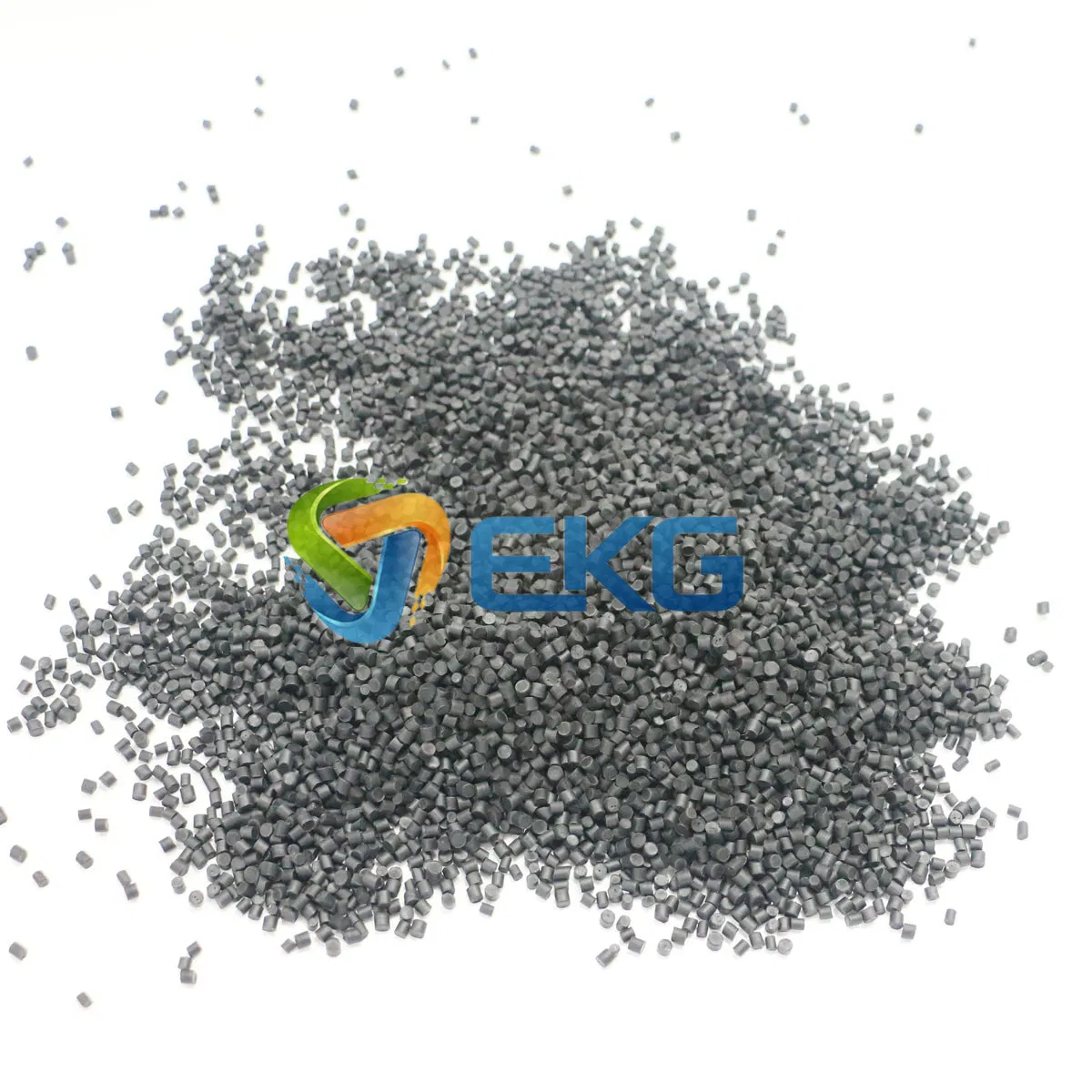
Black
Hardness:
60A-85A
Density:
0.9-1.1g/Cm
Elongation:
≥ 300%
Flame Retardancy:
UL94 V-0
Eco-Friendly:
RoHS, Reach, IATF 16949
Tensile Strength:
≥12 MPa
Capacity:
2.5 Million
Product Description
| Property | Value/Description |
|---|---|
| Material Type | Thermoplastic Elastomer (TPE) for cutting boards |
| Food Safety | FDA compliant, LFGB certified, BPA-free, BPS-free |
| Antimicrobial | Silver-ion technology, inhibits E.coli, Salmonella |
| Hardness | 60 - 85A balance |
| Abrasion | High wear resistance against knife scratches |
| Surface | Non-Slip textured design |
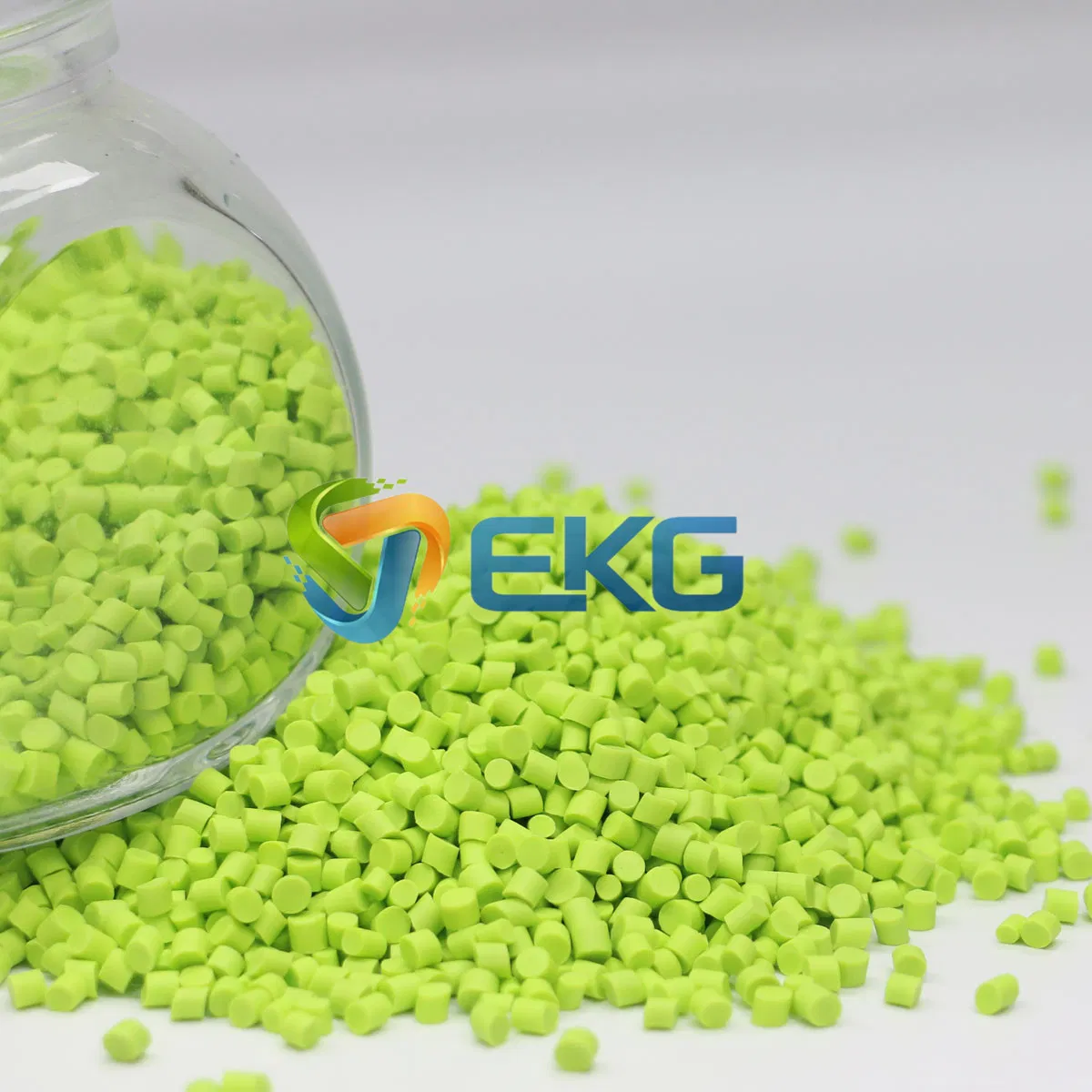
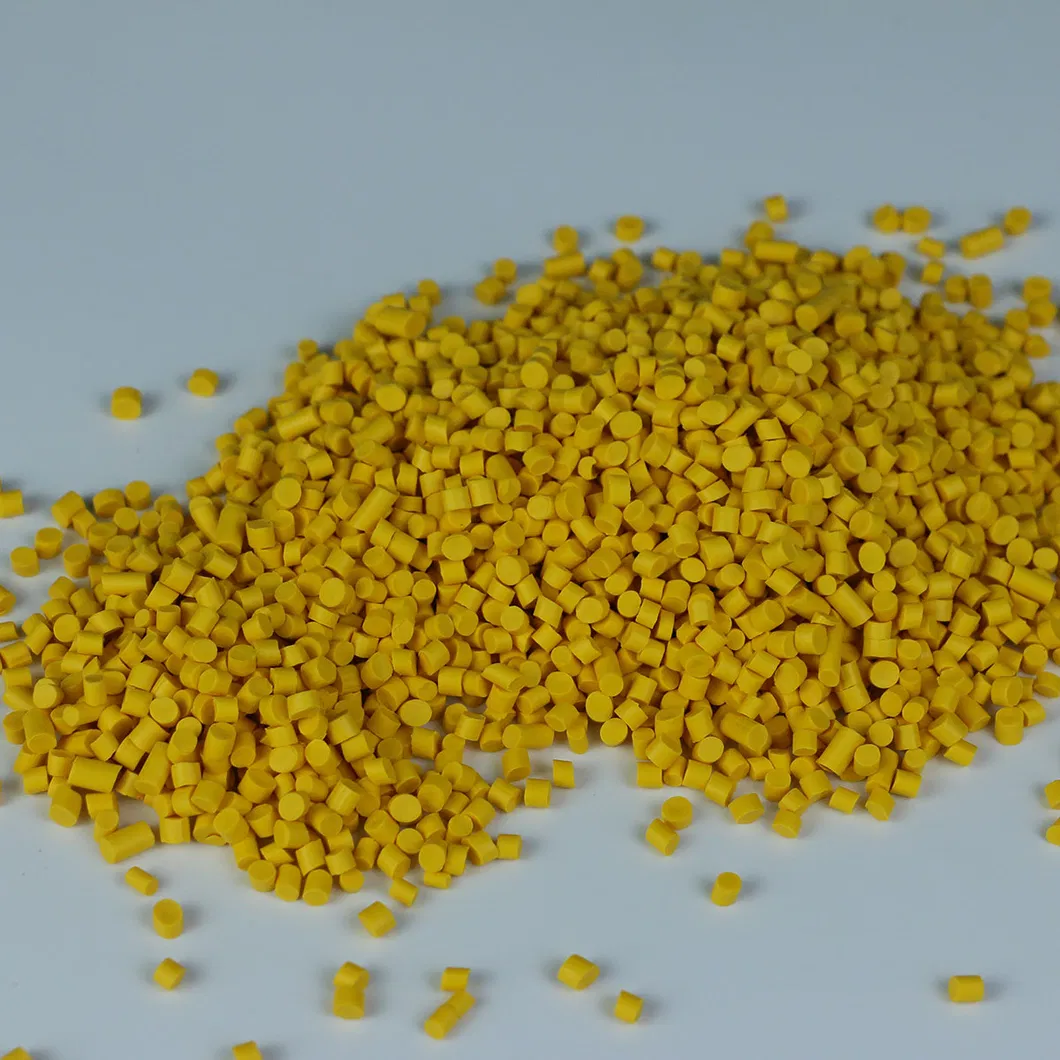
TPE (Thermoplastic Elastomer) is a polymer material combining rubber elasticity with plastic processability. It is environmentally friendly, aging-resistant, and widely applied in automotive, electronics, and medical care sectors.
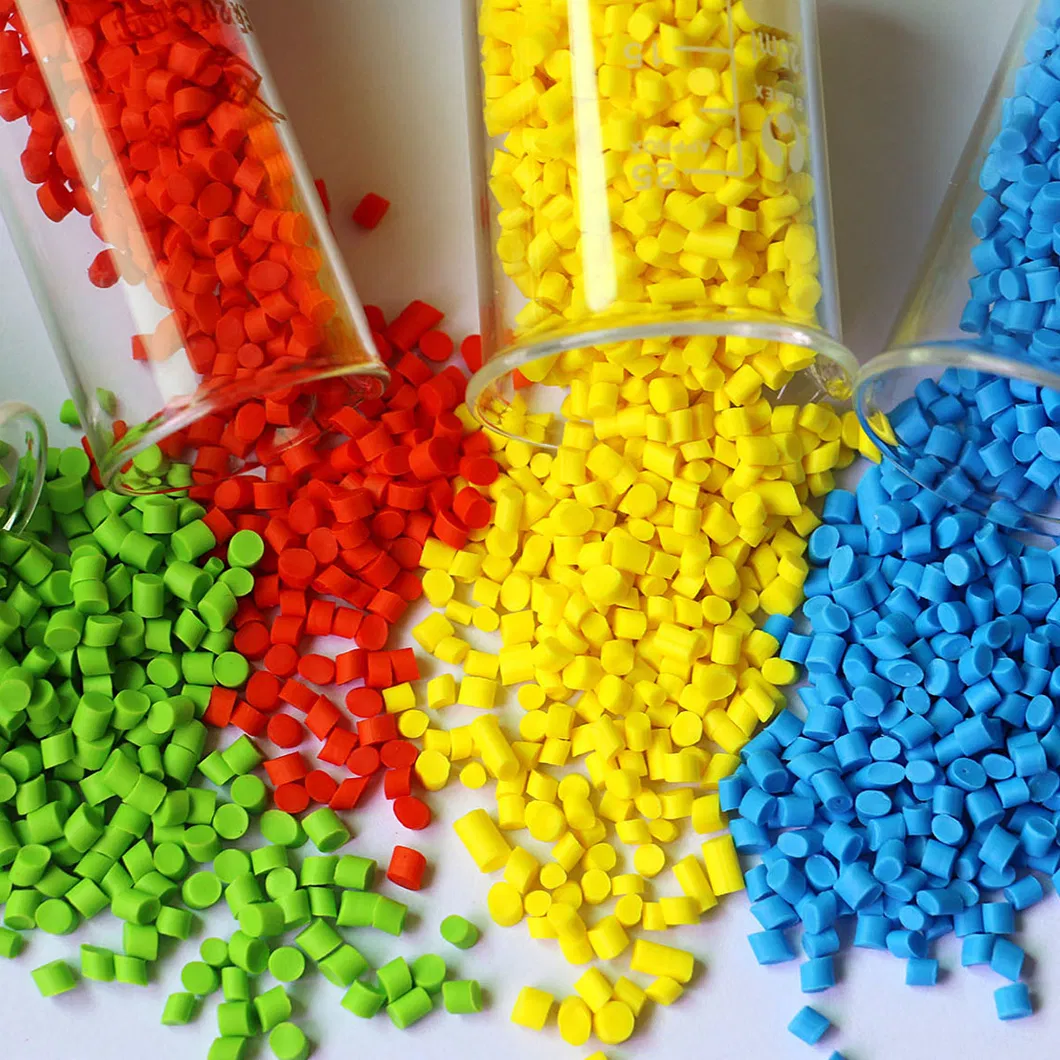
Core Advantages
- High Processing Efficiency: Processing flow shortened by 25%, energy consumption reduced by 25%-40% compared to traditional rubber.
- Adjustable Performance: Customizable hardness (10A - 95A) and tensile strength (3 - 10 MPa).
- Weather Resistance: High resistance to UV rays and chemical corrosion.
- Environmental Standards: Recyclable, non-toxic, and odorless.

Production Capability
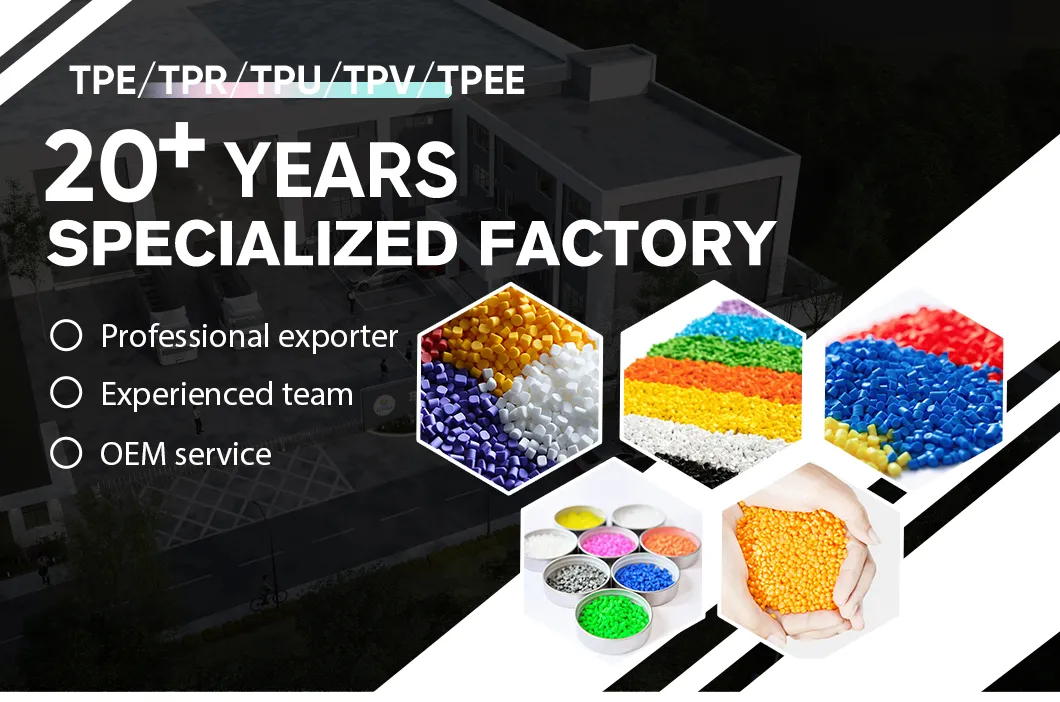
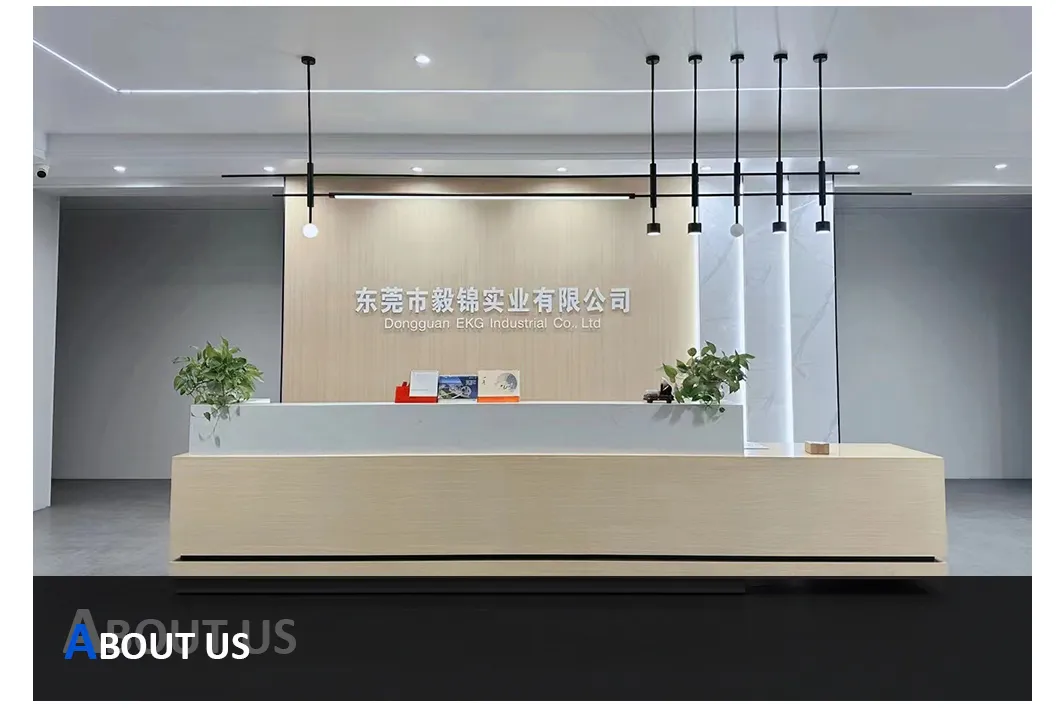
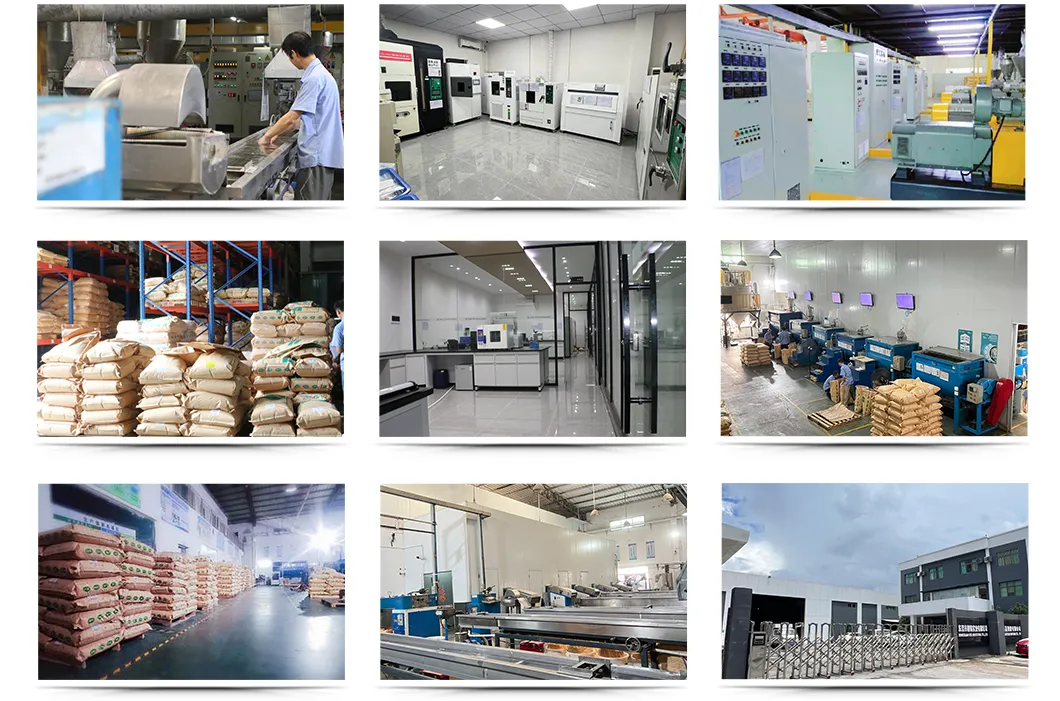
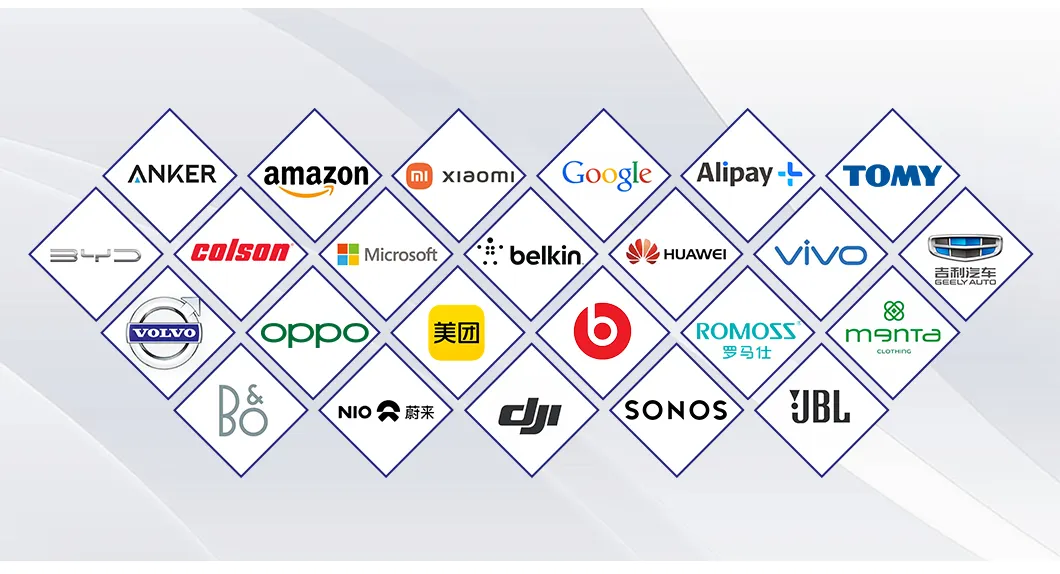
Our 10,000 square meters facility features 13 production lines with an annual capacity of 25,000 tons. We operate under strict quality management systems including ISO 9001, IATF 16949, and ISO 14001. Our products serve global sectors including 3C, automotive, toys, and medical care.
Quality Control & Certification
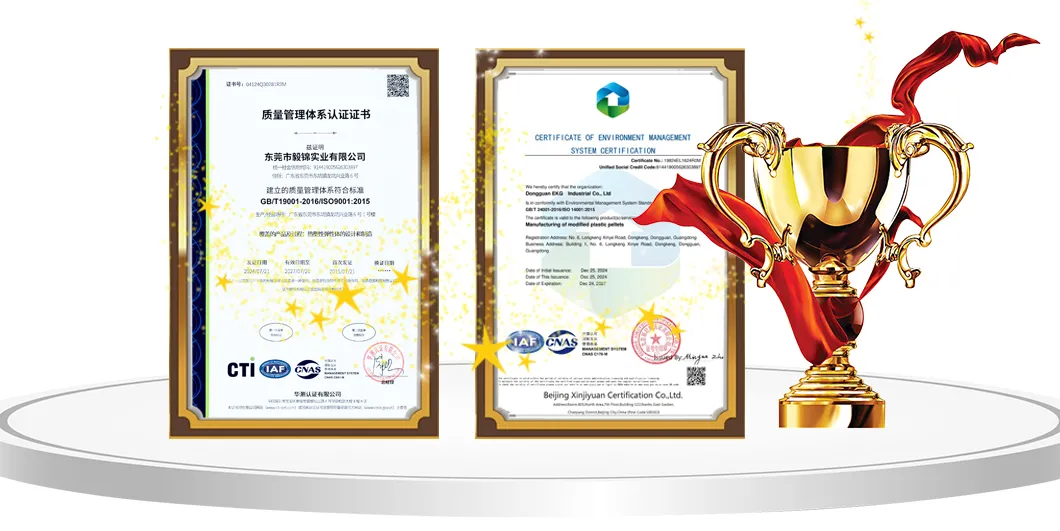
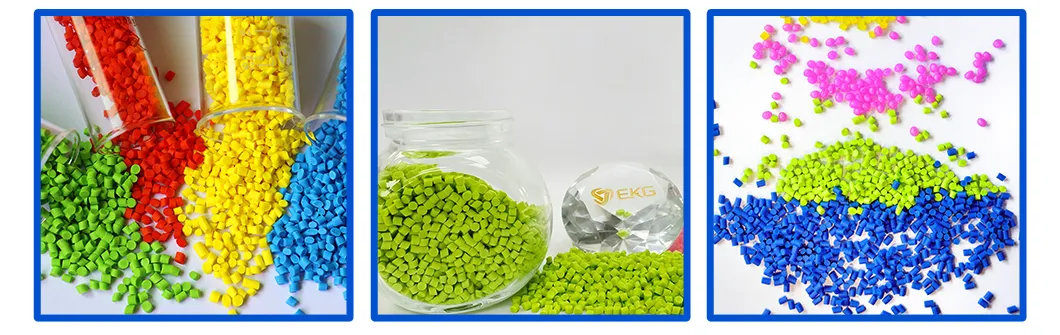
We utilize an Independent Laboratory equipped with comprehensive testing equipment and an MES Quality Tracking System to monitor product quality throughout the entire process.
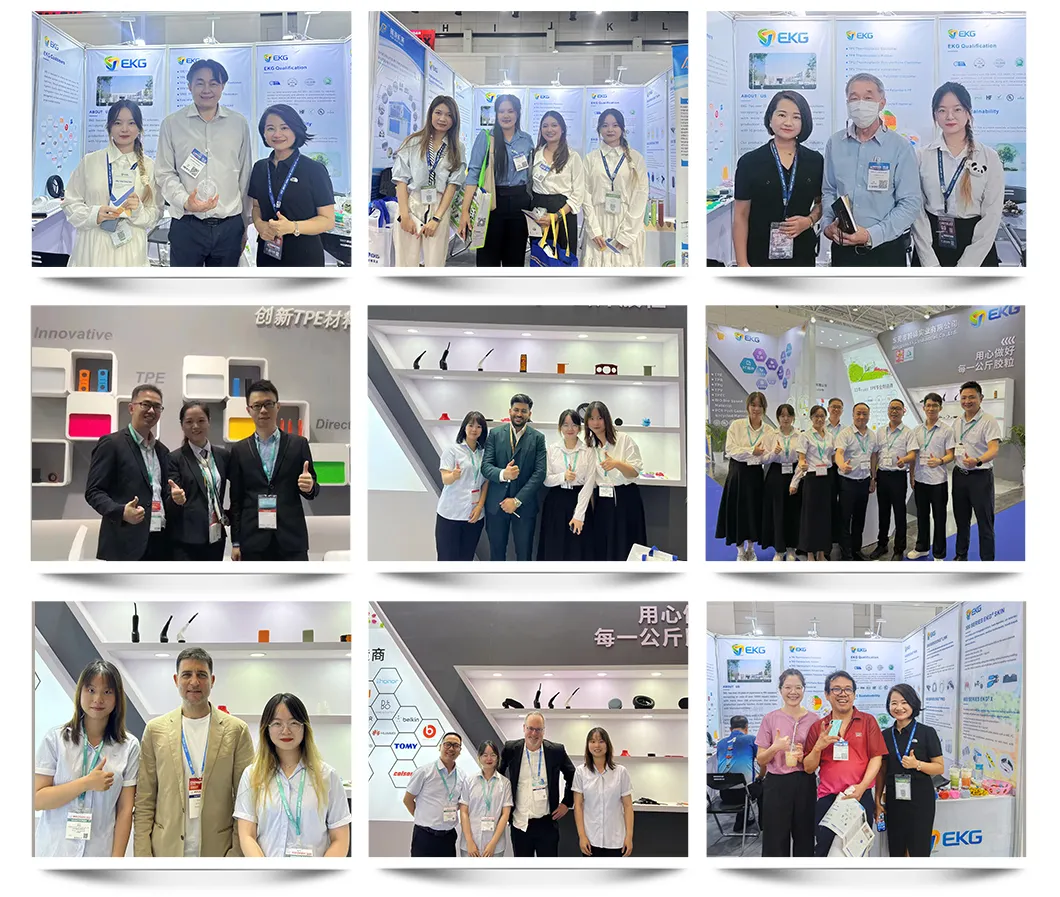
Exhibitions

Frequently Asked Questions
Q: What's the difference between TPE compounding and TPU processing?
A: TPE compounding blends TPE with additives to customize properties like hardness and elasticity. TPU processing focuses on shaping raw materials into products via injection or extrusion using specific temperature controls.
Q: How do you ensure the quality of TPR for toy applications?
A: We verify composition for heavy metals/plasticizers, monitor extrusion temperatures for uniform dispersion, and conduct final tests for tensile strength and safety release.
Q: Is the TPE material safe for direct food contact?
A: Yes, our food-grade TPE is FDA compliant, LFGB certified, and free from BPA and BPS, making it ideal for kitchenware like cutting boards.
Q: What hardness levels are available for your TPE materials?
A: We offer a wide range of hardness from 10A to 95A, with the standard range for cutting boards typically being 60A to 85A.
Q: Are your TPE materials environmentally friendly?
A: Absolutely. Our TPE is 100% recyclable, non-toxic, odorless, and complies with RoHS and REACH standards.
Q: How does TPV compare for automotive sealing needs?
A: TPV offers excellent compression set performance and weather aging resistance, making it superior for long-term dynamic sealing in automotive environments.