When it comes to food safety, one often-overlooked item is the plastic cutting board. Many home cooks may wonder, "When should you throw away a plastic cutting board?" The right answer can help prevent contamination and ensure food hygiene. Plastic boards are popular for their durability and ease of cleaning, but they also wear down over time.
Signs of wear and tear are crucial indicators of when it's time to replace your cutting board. Deep grooves and scratches can harbor bacteria. Even after washing, germs may linger in these cuts. Furthermore, if your cutting board becomes warped or stained, it may not provide a sanitary surface for food preparation. It's essential to inspect your board routinely.
Food safety experts suggest replacing your plastic cutting board at least once a year. However, if you notice any damage, it’s time to reassess. Maintaining a clean and safe kitchen environment hinges on using reliable tools. Don't overlook the importance of this simple yet significant kitchen item. Replacing your cutting board can protect your health and enhance your cooking experience.
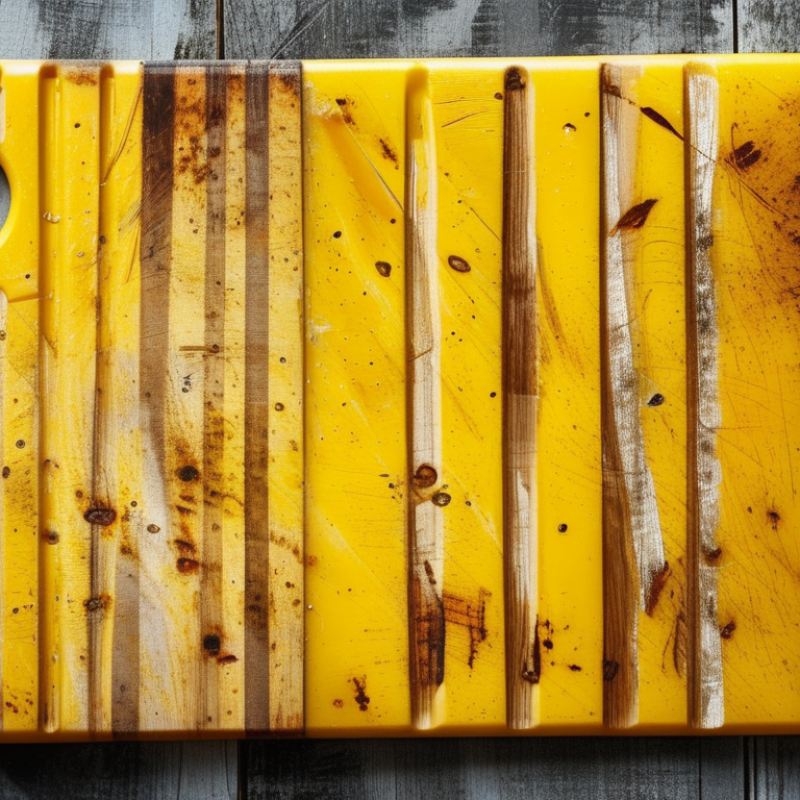
Signs of Wear and Tear on Plastic Cutting Boards
When considering when to replace your plastic cutting board, pay attention to signs of wear and tear. Research indicates that worn cutting boards can harbor bacteria, increasing food safety risks. A study from the Journal of Food Protection found that scratched plastic surfaces provide ideal environments for pathogens. Even small grooves can trap harmful bacteria like Salmonella and E. coli.
Common signs of wear include deep grooves and discoloration. These marks can be telltale signs of a board that’s past its prime. If you notice persistent odors or stains that don’t wash away, it’s time for a replacement. Moreover, the USDA recommends replacing cutting boards every one to two years, depending on the level of use and care.
Tips: Regularly inspect your cutting board for any cracks or deep scratches. Always clean it thoroughly after each use, allowing it to air dry completely. Consider using a designated board for raw meat and another for fruits or vegetables. Replacing your plastic cutting board at the right time can significantly enhance your kitchen hygiene and food safety. Don’t wait until it’s too late—be proactive in your kitchen maintenance.
Health Risks Associated with Damaged Cutting Boards
Plastic cutting boards are common in many kitchens, but they can pose health risks when damaged. Cracks and deep grooves can harbor harmful bacteria. These microorganisms can lead to foodborne illnesses. It's essential to inspect your cutting board regularly. If you notice any signs of wear, consider replacing it.
Many people overlook the importance of maintaining their cutting boards. A seemingly small scratch can become a breeding ground for bacteria. While some believe washing with hot, soapy water is enough, it may not eliminate all germs. Sanitizing your board is vital after each use, especially after cutting raw meat or poultry. However, even regular cleaning can’t fix a damaged board.
Being aware of when to replace a cutting board is crucial for food safety. A warped or excessively scratched board is no longer a reliable surface. Ideally, replacing your plastic cutting board every couple of years can help minimize risks. It’s a simple step towards ensuring a safer cooking environment.
When Should You Replace Your Plastic Cutting Board? - Health Risks Associated with Damaged Cutting Boards
| Condition |
Indications for Replacement |
Health Risks |
Recommended Action |
| Deep Cuts and Grooves |
Visible wear and tear indicating prolonged use |
Bacteria accumulation in grooves |
Replace immediately |
| Discoloration |
Stains that cannot be removed |
Potential mold growth |
Consider replacing |
| Warping or Deformation |
Board does not lay flat |
Food may not be cut evenly |
Replace |
| Cracking |
Visible cracks in the surface |
Bacteria can enter cracks causing contamination |
Dispose of board |
| Old Age |
More than 5 years of use |
Material degradation can occur |
Consider replacement |
Recommended Lifespan for Plastic Cutting Boards
Plastic cutting boards are essential tools in many kitchens, but they have a limited lifespan. Industry experts recommend replacing these boards every one to three years. This recommendation stems from studies showing that bacteria can accumulate in deep cuts and grooves, even after thorough cleaning. According to the USDA, proper sanitation is crucial, yet not entirely foolproof.
When assessing the condition of your cutting board, consider visible signs of wear. Cracks, scratches, and discoloration indicate the need for replacement. A study published by the Journal of Food Protection highlighted that worn boards retain harmful bacteria more than newer boards. Shallow grooves may harbor fewer germs, but deeper marks can become breeding grounds for pathogens.
Cleaning practices matter too. While many use dish soap and water, this method might not eliminate all bacteria. Some experts advocate for regular sanitization with diluted bleach or vinegar. Despite these efforts, the board's integrity may still fade over time. Reflecting on these issues can help you maintain food safety and make informed choices about replacements.
Best Practices for Maintaining Plastic Cutting Boards
When it comes to maintaining plastic cutting boards, proper care is crucial for safety and longevity. According to a study published by the USDA, cutting boards can harbor dangerous bacteria if not cleaned correctly. Regularly sanitizing your plastic boards with a diluted bleach solution or a vinegar-water mix can help reduce bacterial growth. It's recommended to wash your cutting board with hot, soapy water after each use, paying special attention to grooves where food particles can linger.
Inspecting your cutting board is equally important. Scratches and deep grooves can create hiding spots for harmful bacteria. A report from the Journal of Food Protection showed that heavily worn boards are 200% more likely to harbor pathogens compared to newer, well-maintained ones. If your board has visible wear or significant deep cuts, it might be time to consider replacing it. A general guideline suggests replacing plastic cutting boards every one to five years, depending on usage and wear.
While you strive for cleanliness, remember that no cleaning method is perfect. A seemingly clean board could still pose risks. In some cases, minor imperfections might go unnoticed but still harbor bacteria. Staying vigilant and mindful of your board’s condition helps ensure a safer cooking environment. You could save money over time by taking care of your tools, but know when to let them go for your health.
How to Properly Dispose of Old Plastic Cutting Boards
When it comes to disposing of old plastic cutting boards, it's essential to consider the environmental impact. The recycling rate for plastic kitchen items is only about 9% in the United States, according to the Environmental Protection Agency (EPA). This suggests that many plastic boards end up in landfills, which can take hundreds of years to decompose.
When it's time to replace your cutting boards, think about how to dispose of them responsibly. Some facilities accept #2 and #5 plastics for recycling, which are common in plastic cutting boards. However, many boards have mixed materials, making them non-recyclable. If recycling is not an option, consider repurposing. Old boards can serve as trays, coasters, or even garden plant markers.
Many consumers are unaware of alternatives. Research shows that biodegradable options are becoming more prevalent. Companies now produce cutting boards made from bamboo or other sustainable materials. It's a step towards reducing plastic waste in the kitchen. Transitioning to these alternatives may not be perfect for everyone, but awareness is crucial.
FAQS
: Replace plastic cutting boards every one to three years to ensure safety.
Bacteria can build up in deep cuts. Even cleaning may not eliminate all germs.
Look for cracks, scratches, and discoloration. These are clear signs of wear.
Dish soap and water are common, but diluted bleach or vinegar may work better.
Consider recycling, but be aware many are non-recyclable due to mixed materials.
Biodegradable boards made from bamboo or sustainable materials are good options.
Yes, they can be used as trays, coasters, or even garden markers.
No, the rate is only about 9% in the U.S., leading many to landfills.
They can take hundreds of years to decompose, contributing to pollution.
Alternatives exist but may not suit everyone. Awareness is the key to better choices.
Conclusion
Plastic cutting boards are essential kitchen tools, but knowing "when should you throw away a plastic cutting board" is crucial for both food safety and hygiene. Signs of wear and tear include deep scratches, discoloration, and warping, which can harbor harmful bacteria. Damaged cutting boards pose significant health risks, as bacteria can thrive in crevices and lead to foodborne illnesses. It's generally recommended to replace plastic cutting boards every 1 to 4 years, depending on usage and maintenance.
To prolong the life of your plastic cutting boards, practice proper care by regularly cleaning them with hot, soapy water and ensuring they are thoroughly sanitized. When it's time to part ways with an old cutting board, dispose of it responsibly, considering recycling options if available. By staying attentive to these guidelines, you can maintain a safe kitchen environment and prolong the lifespan of your culinary tools.
 Chef Base Kitchen
