Top Tips for Storing Cutting Boards in a Small Kitchen?

Time:2026-06-25 Author:Mason
0%

In a small kitchen, every inch matters. Many struggle with the question: where to store cutting boards in a small kitchen? Efficient storage solutions can maximize space and maintain organization. An effective setup contributes to both functionality and aesthetics.

Cutting boards come in various sizes and materials. This diversity presents unique challenges when it comes to storage. A simple drawer can become cluttered quickly if not organized properly. Wall-mounted racks or magnetic strips may save space but could expose boards to contamination. Reflecting on these choices is essential.

Utilizing vertical space is key. Consider using hooks or shelves. A pull-out cabinet could also create hidden storage. However, ensure they are easily accessible. Each method has its pros and cons. Evaluating your lifestyle and cooking habits will ultimately guide you to the best solution.
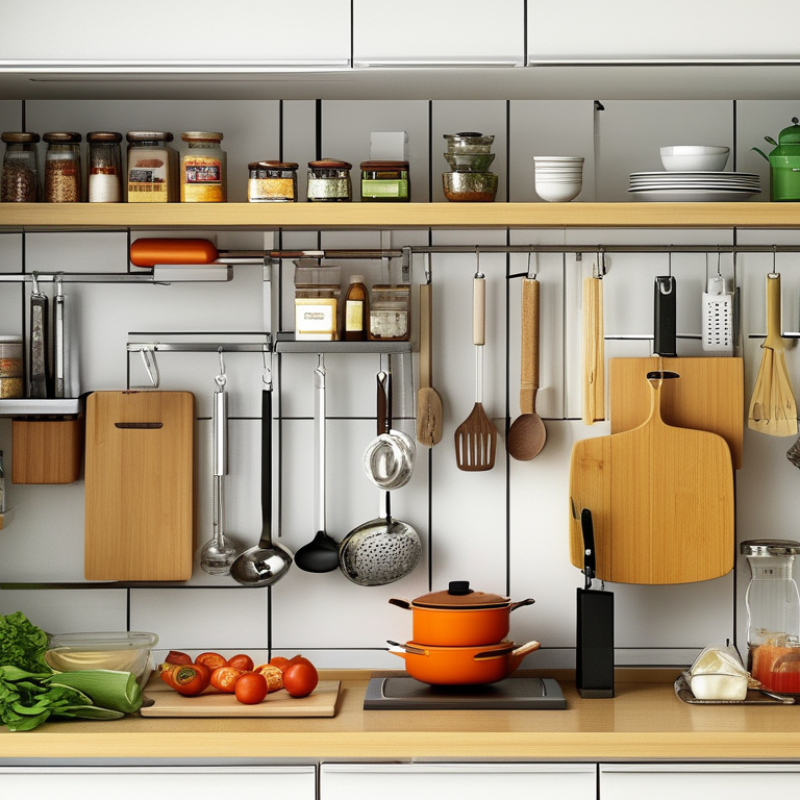
Top Tips for Storing Cutting Boards in a Small Kitchen?

Choosing the Right Storage Option for Your Cutting Boards

When choosing the right storage option for your cutting boards, consider the available space in your kitchen. Small kitchens often require creative solutions. A wall-mounted rack can hold multiple boards while saving counter space. This keeps your boards visible and accessible. Storing boards vertically can prevent warping and damage. However, ensure the rack is sturdy.

Another option is using a drawer or cabinet organizer. These can keep your cutting boards neat and out of sight. Adjustable dividers help in accommodating different board sizes. A potential downside is that out of sight might mean out of mind. You might forget to clean boards regularly if they are not visible.

Magnetic strips are another innovative storage method. They allow you to store boards on the wall and can add a modern touch. This option also offers easy retrieval. On the flip side, the magnets must be strong enough, or boards could fall. Assess your kitchen needs and the pros and cons of each method carefully to find the best fit.

Utilizing Vertical Space: Wall-Mounted Solutions for Cutting Boards

When living in a small kitchen, every bit of space counts, especially for items like cutting boards. Opting for wall-mounted solutions can significantly enhance your kitchen's efficiency. These options not only save counter space but also keep your boards organized and easily accessible. Using a simple wall-mounted rack can allow you to display your cutting boards, turning them into part of your kitchen’s decor.

Consider using hooks or magnetic strips as additional fixtures. This approach adds a fun, modern twist while maintaining functionality. However, it's important to assess your wall’s weight capacity before installation. A poorly mounted holder could lead to accidents or damage, creating more problems. Make adjustments as needed; find the right height for your cutting boards that fits your cooking habits.

While these solutions are effective, they may not suit every kitchen layout. Not every wall has the ideal surface or space. You might find yourself needing to rethink your placement or even adjust your hangers. Reflections on your setup can lead to more creative uses of vertical space. Experimenting with different designs can yield surprising results and inspire further organization strategies.

Creative Use of Drawer Dividers for Organized Cutting Board Storage

In a small kitchen, finding efficient storage solutions is essential. Drawer dividers can transform your space. By organizing cutting boards in a drawer, you can save surface area and keep them protected. The dividers create sections that prevent boards from sliding around or getting damaged.

Consider using adjustable dividers for flexibility. You can customize the sections based on your board sizes. This not only keeps your kitchen tidy but also simplifies meal prep. You can quickly grab the board you need without digging through a pile.

Remember, overloading drawers can create chaos. Ensure each section has enough space to pull out boards easily. Reflect on what you use most often and adjust the layout accordingly. An organized drawer makes cooking more enjoyable and efficient.

Innovative Ideas for Hiding Cutting Boards in Small Kitchens

In small kitchens, finding space for cutting boards can be a challenge. One effective solution is to use vertical storage. Wall-mounted racks or magnetic strips can hold cutting boards, keeping them accessible and out of the way. A recent study by the National Kitchen and Bath Association highlighted that 45% of homeowners prefer solutions that utilize vertical space to maximize their kitchen's efficiency.

Another innovative idea is to create hidden compartments. A drawer designed specifically for cutting boards can maintain a clutter-free counter. Designers recommend keeping the drawer near prep areas. This method not only saves space but also channels the workflow efficiently. According to a report from the American Institute of Architects, more than 60% of small kitchen remodels now include innovative storage solutions.

Utilizing cabinet doors is also an option. Attaching cutting boards to the inside of cabinet doors can create a seamless look. This tactic can reclaim valuable counter space and keep boards off the surface. However, it’s essential to ensure the door can accommodate additional weight without compromising durability. Finding effective storage solutions for cutting boards can lead to a more organized and functional kitchen, but it may require some trial and error to discover what truly works best for your space.

Top Tips for Storing Cutting Boards in a Small Kitchen

Maintaining Cutting Board Hygiene While in Storage

When storing cutting boards in a small kitchen, hygiene is paramount. A study from the USDA shows that improperly cleaned cutting boards can harbor harmful bacteria, leading to foodborne illnesses. Keeping your cutting boards clean during storage prevents cross-contamination and ensures food safety.

One effective tip is to clean the cutting board thoroughly before storing it. Wash it with hot, soapy water and sanitize it with a vinegar solution. This reduces the likelihood of bacteria growth during storage. Another suggestion is to store boards vertically, if possible. This method allows air to circulate, preventing moisture accumulation that could lead to mold or mildew.

Finally, consider utilizing a dedicated storage space. A simple wall-mounted rack or a cabinet partition keeps boards organized and easily accessible. Regular maintenance of your storage area is essential. Periodically check for signs of wear or deterioration on the boards. This attention to detail supports better hygiene and prolongs the life of your kitchen tools.

FAQS

: What is a good storage option for cutting boards in small kitchens?

: Wall-mounted racks save space and keep boards visible and accessible in small kitchens.

How can storing cutting boards vertically help?

Storing boards vertically can prevent warping and damage. It also maximizes kitchen efficiency.

What are the drawbacks of using drawer organizers for cutting boards?

While they keep boards out of sight, you may forget to clean them regularly if they aren't visible.

How do magnetic strips help in storing cutting boards?

Magnetic strips allow boards to be stored on walls, providing easy access and a modern look.

What should I consider before installing wall-mounted storage?

Assess your wall's weight capacity to prevent accidents or damage from poorly mounted holders.

Can cutting boards be hidden effectively in small kitchens?

Yes, hidden compartments, like designated drawers, can maintain a clutter-free counter but might require adjustments.

What is an innovative way to utilize cabinet space for cutting boards?

Attaching boards to the inside of cabinet doors can reclaim counter space while keeping them easily accessible.

Why might my wall-mounted cutting board holder be ineffective?

If not securely mounted, it may lead to accidents or inconvenience. Regular reflection on the setup is essential.

How can I improve my kitchen's organization for cutting boards?

Experiment with different storage designs and placements, as trial and error can lead to better functionality.

What factor is crucial for the effectiveness of vertical storage solutions?

The right height for boards should match your cooking habits and kitchen layout for optimal usability.

Conclusion

When considering where to store cutting boards in a small kitchen, it's essential to choose the right storage option that maximizes available space. Utilizing vertical space through wall-mounted solutions can free up valuable counter and cabinet areas. Additionally, implementing drawer dividers can help create a more organized storage system, allowing for easy access and prevention of clutter.

Innovative ideas such as hiding cutting boards within cabinets or beneath countertop spaces can also contribute to a tidy kitchen environment. Moreover, maintaining cutting board hygiene while in storage is crucial; ensure that they are properly cleaned and dried to prevent bacteria growth. By thoughtfully assessing these storage strategies, you can efficiently manage cutting board placement in your compact kitchen.

Mason

Mason

Mason is a seasoned marketing professional with a deep expertise in the company's offerings and a passion for driving brand awareness. With a strong background in digital marketing strategies, he has an innate ability to connect with diverse audiences and effectively communicate product benefits.......