Cutting boards are essential kitchen tools. They endure heavy use and can wear down quickly. Understanding how to make a cutting board last longer can enhance your culinary experience and save you money over time. Reports show that well-maintained cutting boards can last up to 10 years or more, while poorly kept ones may need replacement in just a year.
Proper care does not only extend the lifespan but also ensures food safety. According to industry experts, wood and plastic boards each have unique maintenance needs. For instance, wooden boards require regular oiling to prevent cracking. In contrast, plastic boards may require thorough sanitation to avoid bacteria buildup.
It's important to reflect on your current maintenance routine. Are you consistently cleaning your board after each use? Neglect can lead to premature wear. Regular checks for deep grooves or scratches can help assess your board's health. By implementing simple maintenance tips, you can ensure effective use of your cutting board for many years.
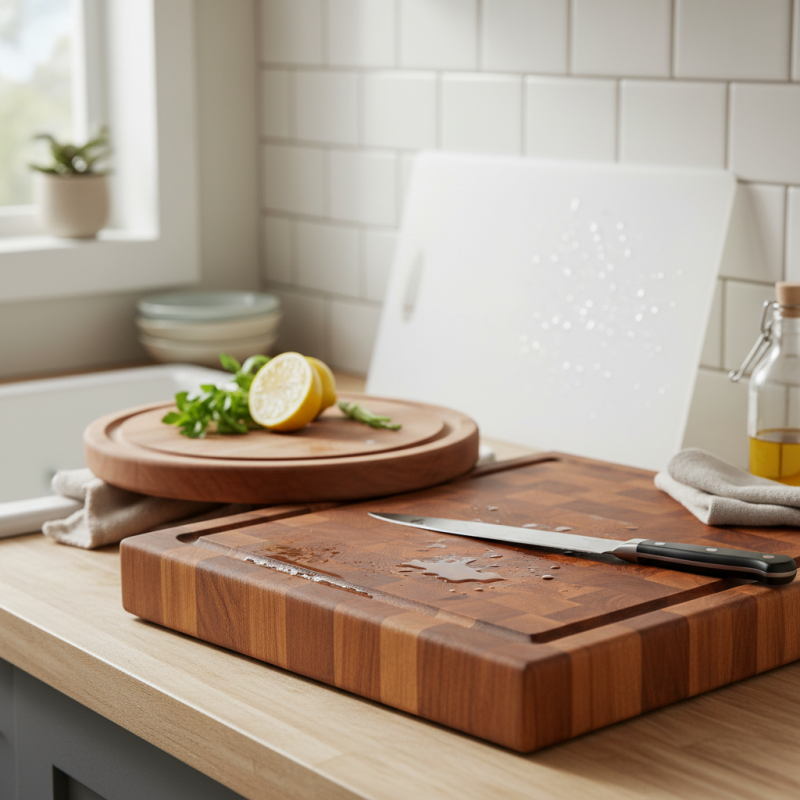
Choosing the right material for your cutting board is crucial. Wood, bamboo, plastic, and composite materials all have their pros and cons. Wood boards are known for their durability and knife-friendly surfaces. They are gentle on blades and can be easily maintained. However, they require regular oiling to prevent drying and cracking.
Bamboo is a sustainable choice. It is hard and resistant to scratches. While it can be eco-friendly, it may dull knives faster than wood. Plastic boards, on the other hand, are dishwasher safe and easy to clean. Yet, they can harbor bacteria in deep grooves. Composite boards balance the strengths of both wood and plastic, providing a sturdy and easy-to-maintain option.
Tips for extending the life of your cutting board include cleaning it properly after each use. Avoid soaking wooden boards to prevent warping. Regularly oil wooden boards to maintain their integrity. A good practice is to use one board for meats and another for vegetables to avoid cross-contamination. Keep your boards stored upright or flat to prevent damage over time.
Keeping your cutting board in top shape requires proper cleaning techniques. After each use, rinse the board with hot water. Avoid soaking it in the sink. Use mild soap to scrub off food particles. Opt for a soft sponge to prevent scratches. Harsh scrubbers can damage the surface and harbor bacteria.
For deeper cleaning, consider using a mixture of vinegar and water. This can help eliminate odors and disinfect the board. Wipe it down with the solution and let it air dry. It’s important to treat your cutting board like a valuable tool. Neglecting cleaning may lead to cracks and warps, impacting its usefulness.
Store your board in a dry place away from direct sunlight. Moisture can cause mold and bacteria growth. Regularly oil your board with food-safe mineral oil to maintain its surface. This helps prevent absorption of moisture and reduces wear. Keep in mind, even well-cared-for boards may need replacement over time. Reflect on how you’re using and maintaining your tools.
Maintaining a cutting board can significantly enhance its longevity. One effective method is regular oiling. Food-safe mineral oil is an excellent choice for this purpose. Studies show that oiled boards can resist moisture better, preventing warping and cracking. In fact, a well-seasoned board can last up to twice as long as an untreated one.
For proper seasoning, apply mineral oil at least once a month. Pour a small amount on the board and spread it evenly using a soft cloth. Allow the oil to soak in for a few hours or overnight. Some experts recommend finishing with a layer of beeswax. This creates a barrier that helps repel water and stains.
While oiling seems simple, many overlook the importance of cleaning. Using hot, soapy water can remove excess oil. However, be cautious—too much heat can damage the board. Raw wood is sensitive and may swell or shrink if treated improperly. Regularly check your board for deep scratches or signs of wear. Addressing these issues early can prevent long-term damage.
Proper storage of your cutting board is crucial for its longevity. A study by the National Sanitation Foundation reveals that improper storage can harbor bacteria and lead to degradation. For wooden boards, always keep them in a dry place. Moisture can warp the wood and create cracks. If you have a plastic cutting board, avoid exposing it to extreme heat; high temperatures may cause it to warp.
Place your cutting board vertically in a well-ventilated area. This method prevents moisture buildup and allows the wood to breathe. Using a board rack can keep the surface away from dust and pests. Regularly inspect your board for any signs of wear. Small scratches and dents may seem minor, but they can trap bacteria. If you notice deep grooves, consider sanding gently to maintain a smooth surface.
Avoid stacking heavy items on top of your cutting board. Weight can cause warping and may lead to cracking over time. Even the best cutting boards require care. Remember, your cutting board is an essential tool. Treat it with respect to ensure it remains functional for years to come.
A cutting board is essential in any kitchen, but it's easy to overlook its lifespan. Knowing the signs of wear can save you from potential hygiene issues. Deep grooves and cracks are indicators that the board is reaching the end of its life. If food particles easily get trapped in these spaces, it's time for a replacement. Look for surface discoloration as well. This can suggest the materials have degraded over time.
Maintaining your cutting board is crucial. Regularly oiling wooden boards can prevent them from drying out. Use food-grade mineral oil to keep the wood hydrated. This simple step can extend the life of your board significantly. For plastic boards, consider sanitizing with vinegar or bleach occasionally. Just ensure it is perfectly rinsed afterward.
Pay attention to smells or stains that persist. These can indicate that bacteria may be lurking. A well-cared-for board should not retain odors. If you notice any hints of lingering smells, reflect on how you clean the board. Even minor habits can lead to bigger hygiene issues down the line. Make sure you inspect your cutting board frequently to keep your kitchen safe and clean.
: Rinse it with hot water and use mild soap. Avoid soaking it to prevent damage.
A mixture of vinegar and water is effective. Wipe it down and let it air dry.
Keep it in a dry place, away from direct sunlight. This prevents mold and bacteria growth.
Oil it at least once a month. Use food-safe mineral oil for best results.
Look for deep grooves, cracks, or persistent odors. These mean it’s time for a new one.
Regularly oil it to prevent moisture absorption. This helps avoid warping and cracking.
Apply mineral oil evenly, let it soak, and consider adding a beeswax layer for extra protection.
Regularly inspect for wear. Address scratches early to prevent larger problems later on.
Yes, but be sure to rinse thoroughly afterward to remove any residue.
Neglecting it can lead to hygiene issues and shorten the board's lifespan. Reflect on your habits.
To learn how to make a cutting board last longer, it's essential to start with the right material, choosing durable options like wood or bamboo that resist wear and tear. Regular maintenance is crucial; employ proper cleaning techniques such as using mild soaps and avoiding soaking to prevent damage. Additionally, regularly oiling and seasoning your cutting board can keep it in optimal condition, enhancing its longevity and preventing it from drying out or cracking.
Storing your cutting board correctly is also vital; keep it in a dry, well-ventilated area to avoid moisture buildup. Be mindful of signs of wear, such as deep grooves or significant discoloration, which indicate it may be time to consider replacement. By following these tips, you can significantly extend the life of your cutting board and ensure it remains a reliable kitchen tool for many years.
Chef Base Kitchen