When it comes to preparing baby food, parents often question, "Is it safe to cut baby food on plastic cutting boards?" Dr. Emily Chen, a pediatric nutrition expert, emphasizes, "Clean surfaces are essential for keeping baby food safe." This highlights the importance of understanding the materials we use in our kitchens.
Plastic cutting boards are popular due to their affordability and ease of cleaning. However, they can harbor bacteria if not maintained properly. Cuts and grooves from knives can become breeding grounds for harmful germs. Many parents might overlook this potential danger. It raises valid concerns about the safety of food preparation for infants.
Despite being convenient, the choice of cutting board should not be taken lightly. While plastic boards are generally safe if cleaned thoroughly, some parents may prefer alternatives like bamboo or glass. These materials do not absorb liquids and are less prone to harboring bacteria. Reflecting on such choices can make a significant difference in ensuring the health of our children.
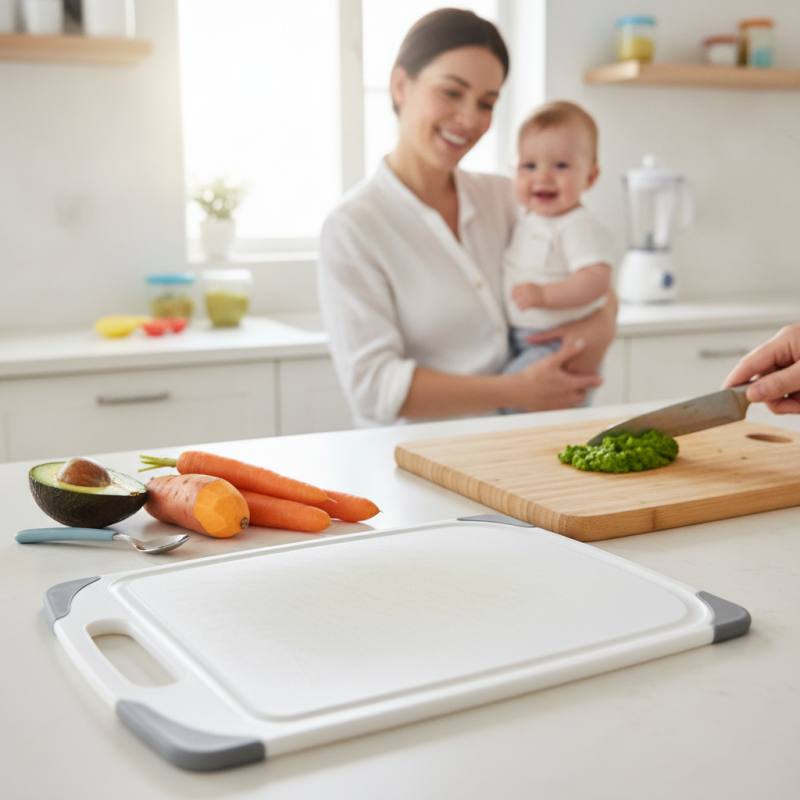
Considerations for Using Plastic Cutting Boards for Baby Food
When preparing baby food, choosing the right cutting board is crucial.
Plastic cutting boards offer a convenient and lightweight option. However, it's essential to be aware of certain considerations. Research indicates that plastic boards can harbor bacteria if not cleaned correctly. A study published in the Journal of Food Protection found that plastic boards can be as safe as their wooden counterparts when properly maintained.
The surface of plastic boards can become scratched over time. These crevices can trap food particles and bacteria. Regularly inspect your cutting board for wear and tear. According to food safety experts, replacing a heavily used board every few years is wise. They also recommend using separate boards for raw food and baby food to prevent cross-contamination.
Another point to consider is the temperature. While plastic boards can withstand cold temperatures, they may warp at high heat. This can affect their usability and hygiene. Using a plastic board that has been approved for food use ensures safety. Many materials contain chemicals that may seep into food. Therefore, be cautious about the quality of your cutting board. Regular cleaning and vigilant maintenance will enhance safety for your little one.
Benefits of Plastic Cutting Boards for Preparing Baby Food
When preparing baby food, choosing the right cutting board is essential. Plastic cutting boards are a popular option for many parents. They are lightweight and easy to clean. Unlike wooden boards, they do not harbor bacteria as easily. This can be crucial for the health of your baby.
Plastic boards allow for safe food preparation. You can cut fruits, vegetables, and meats without worrying too much. They can be put in the dishwasher, ensuring a deep clean. Even if you accidentally use the same board for different foods, proper washing minimizes cross-contamination risks. However, it is important to inspect your cutting boards regularly for scratches. Deep grooves can trap food particles and bacteria.
Some parents worry about the safety of plastic. Research shows that high-quality plastic cutting boards are safe for food contact. Still, it might be worth considering alternatives. Bamboo or glass cutting boards are also available. They offer different advantages, such as being more environmentally friendly. Ultimately, the choice of cutting board depends on individual preferences and practices.
Is It Safe to Cut Baby Food on Plastic Cutting Boards? Tips - Benefits of Plastic Cutting Boards for Preparing Baby Food
| Aspect |
Details |
| Material Safety |
BPA-free and non-toxic materials suitable for food preparation. |
| Sanitization |
Easy to clean with hot soapy water or dishwasher-safe. |
| Knife Safety |
Plastic boards are gentler on knife blades compared to wooden boards. |
| Durability |
Resistant to staining and odor retention with proper care. |
| Weight |
Lightweight and easy to handle, especially for parents. |
| Cost |
Generally, more affordable than wooden or bamboo cutting boards. |
| Versatility |
Can be used for various food types, including fruits, vegetables, and meats. |
Safety Tips for Cutting Baby Food on Plastic Cutting Boards
When preparing baby food, it's crucial to consider safety.
Plastic cutting boards can present unique challenges. Research indicates that plastic boards harbor fewer bacteria than wooden ones, making them a popular choice. However, wear and tear can create grooves where bacteria can accumulate. According to a study by the USDA, foodborne illnesses are often linked to improper food handling practices.
Tip 1: Regularly inspect your plastic cutting boards for scratches or deep grooves. If you see significant wear, it’s time to replace the board. This helps minimize bacterial growth and ensures a safer food preparation environment for your baby.
Tip 2: Use separate cutting boards for different types of food. Dedicate one board for raw items and another for cooked or baby food. This practice can drastically reduce cross-contamination risks. A kitchen study revealed that using separate boards reduced bacteria spread by 50%.
Tip 3: Always wash your plastic cutting boards thoroughly after use. Warm, soapy water or a mixture of vinegar and water can effectively eliminate harmful microbes. Not only does this promote safety, it also contributes to the longevity of your cutting boards.
Cleaning and Maintenance Practices for Plastic Cutting Boards
Plastic cutting boards are popular for preparing baby food, but their cleanliness is crucial. Research shows that plastic boards can harbor bacteria if not maintained properly. A study in the Journal of Food Protection found that certain bacteria, like E. coli, can survive on plastic surfaces for extended periods. Regularly cleaning cutting boards is non-negotiable for safety.
A good cleaning routine is essential. Hot soapy water should be your first step. Scrubbing thoroughly removes food residues and germs. It's also important to sanitize the board. Using a diluted bleach solution can be effective, but it must be rinsed well afterward. Some experts note that a simple vinegar solution can also help kill bacteria without harsh chemicals.
Over time, plastic boards can develop deep grooves from knives. These grooves can trap bacteria even after cleaning efforts. Therefore, it’s wise to replace cutting boards once they show significant wear. Not all plastic is created equal; boards made from high-density polyethylene (HDPE) tend to resist cuts better and are easier to clean. This knowledge is vital for parents making food for their little ones. Regular inspection and proactive maintenance set a strong foundation for food safety.
Safety Practices for Cutting Baby Food on Plastic Cutting Boards
Alternatives to Plastic Cutting Boards for Baby Food Preparation
When preparing baby food, safety is paramount. Many parents rely on plastic cutting boards, but they may not be the best option. Research indicates that plastic boards can harbor bacteria, even if they appear clean. In fact, a study published by the Journal of Food Protection found that plastic cutting boards often showed a higher bacterial count than wooden ones.
Considering alternatives to plastic is wise. Bamboo cutting boards, for instance, are naturally antibacterial. They absorb less moisture than plastic, reducing the risk of bacterial growth. A survey from the National Sanitation Foundation highlights that 72% of professionals prefer wooden cutting surfaces for food prep.
Glass cutting boards are another option. Though they can be heavy, they are non-porous and easy to clean. However, they can dull knives quickly. It’s also essential to replace any cutting board showing deep grooves. These grooves can trap food particles and bacteria. By weighing the materials, you can make a safe choice for your baby’s food preparation.
FAQS
: Consider cleanliness and material. Plastic boards are lightweight but can harbor bacteria if not cleaned properly.
Bacteria can survive in scratched areas and residues. Regular cleaning reduces this risk.
Replace boards every few years. Look for signs of wear, like deep grooves.
No, using separate boards is essential to avoid cross-contamination. It's a crucial safety measure.
Use hot soapy water first, then sanitize with diluted bleach or vinegar solution. Rinse well afterward.
Yes, high temperatures can warp plastic boards. Avoid exposing them to excessive heat.
No, ensure your cutting board is approved for food use to avoid harmful chemicals.
High-density polyethylene (HDPE) boards resist cuts better and are easier to clean.
Inspect for scratches and deep grooves. If you notice significant wear, it’s time for a new board.
Yes, low-quality plastics can leach chemicals into food. Choose high-quality materials for safety.
Conclusion
When considering the question, "Is it safe to cut baby food on plastic cutting boards?" there are several factors to keep in mind. Plastic cutting boards are widely used in food preparation due to their lightweight nature and ease of cleaning. They offer benefits like being less prone to harboring bacteria compared to wooden boards, provided they are maintained properly. However, ensuring that the cutting boards are free of deep cuts and scratches is essential, as these can trap food particles and bacteria.
To enhance safety, it is important to follow proper cleaning and maintenance practices, such as using hot soapy water and sanitizing the board regularly. While plastic cutting boards can be safe for preparing baby food, consider alternatives like bamboo or glass cutting boards for additional peace of mind. Ultimately, with the right precautions, using plastic cutting boards for baby food can be a safe and effective choice for parents.
 Chef Base Kitchen
