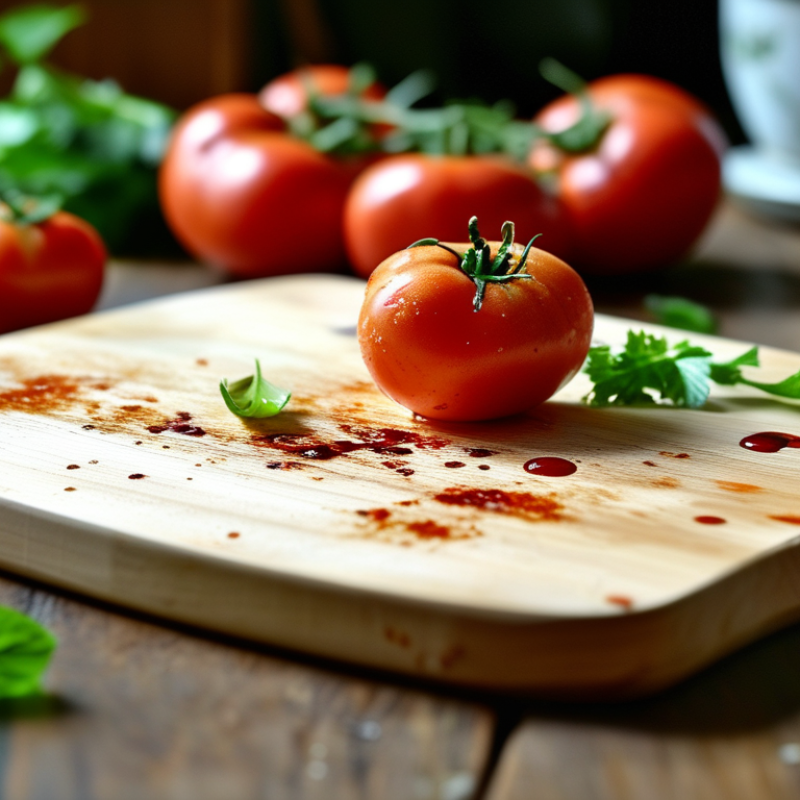
Stains on plastic cutting boards can be a common eyesore in any kitchen. Many home cooks face this issue and wonder how to get rid of stains on plastic cutting boards. According to expert kitchen guru, Chef Lisa Turner, "Maintaining a pristine cutting board is essential for both hygiene and aesthetics."
Using the right techniques can make a significant difference. You may find that not all methods work equally well. Some people prefer baking soda, while others swear by vinegar. Experimenting with various solutions is part of the process, as not every stain reacts the same way.
Cleaning doesn’t have to be a mundane task. Making it a learning experience can lead to better techniques. You might discover that persistent stains require a bit more effort. Each attempt provides insight into what works best for you. With practice and the right advice, achieving a stain-free cutting board is within reach.
Plastic cutting boards are practical kitchen tools. However, they can accumulate stubborn stains over time. Common stains on these boards often come from foods like tomatoes, beets, and even coffee. These stains not only look unappealing but can also affect the flavor of your food.
To tackle stains, consider using a mix of baking soda and water. Create a paste and rub it onto the stained areas. Let it sit for a few minutes before rinsing. This method harnesses the natural abrasive properties of baking soda, making it effective for lifting stains without scratching the surface.
Other effective stains can be removed using white vinegar. Its acidity helps break down the stain particles. Pour vinegar onto the stained area, let it sit, then scrub with a soft sponge. When dealing with tough stains, persistent scrubbing may be necessary, creating some frustration, but it often leads to satisfying results. Stains can be stubborn, requiring multiple attempts before achieving a clean board.
Finally, always remember to regularly sanitize your cutting board. This not only removes stains but also kills germs. Regular maintenance is key to a long-lasting, hygienic kitchen tool.
| Stain Type | Recommended Cleaning Method | Duration | Notes |
|---|---|---|---|
| Tomato Sauce | Baking soda paste (mix with water) | 10-15 minutes | Rinse well after cleaning |
| Coffee | Vinegar and baking soda | 5-10 minutes | Scrub gently |
| Grease | Dish soap scrub | 3-5 minutes | Use hot water |
| Permanent Marker | Rubbing alcohol | 2-3 minutes | Test on a small area first |
| Vegetable Stains | Salt and lemon juice | 10 minutes | Sunlight helps too |
Stains on plastic cutting boards are common. Regular cleaning is essential. However, the methods used can impact the longevity of the boards. Harsh chemicals may remove stains but can also degrade the plastic material. Over time, this can lead to cracks and discoloration.
Using natural ingredients, like baking soda or vinegar, can be gentler. They effectively lift stains without excessive wear on the board's surface. Rubbing the stained area gently can add life to your cutting board. However, it might not always yield perfect results. Some stains may still linger, reminding you to be mindful of what you cut.
A balance is key. While it’s tempting to reach for strong cleaners, consider the long-term effects. Evaluating the condition of your cutting board after cleaning is important. If you notice any fading or scratches, it might be time to rethink your approach. Prioritize preservation for better longevity and hygiene.
To effectively remove stains from plastic cutting boards, baking soda is a powerful ally. This common kitchen ingredient is not only versatile but also safe for food-related surfaces. Start by sprinkling a generous amount of baking soda over the stained area. The texture of the baking soda acts as a gentle abrasive, helping to lift stubborn marks without scratching the plastic.
Using a damp cloth, gently scrub the baking soda into the stain. Focus on high-stain areas, applying a bit more pressure as needed. You might notice some stains fade quickly, while others require a bit more effort. Don’t hesitate to reapply the baking soda if necessary. Allow the paste to sit for about 10 minutes for deeper penetration—this might be more effective than immediate scrubbing.
Afterward, rinse the board with warm water. A good rinse removes both the baking soda and residual stains. Check the board closely; some discoloration may persist. If so, repeat the process. It's a learning curve; not every stain will disappear at once. With patience and practice, you can restore your cutting board to a more hygienic state.
Vinegar and lemon juice are powerful natural agents for disinfecting and whitening plastic cutting boards. Vinegar’s acetic acid can kill many types of bacteria, including E. coli and Salmonella. In a study by the University of Alberta, vinegar was shown to reduce bacterial levels by up to 90% on surfaces. This makes it an effective choice in kitchens where hygiene is crucial.
Lemon juice, on the other hand, has natural antibacterial properties and a pleasant scent. The citric acid in lemons can also help remove tough stains. Research published in the Journal of Food Protection found that lemon juice can significantly reduce microbial contamination. Combining vinegar and lemon juice not only enhances cleaning efficiency, but also provides a fresh aroma. While these methods are highly effective, they may not fully eradicate stubborn stains.
Sometimes, using just vinegar or lemon juice may leave behind a slight discoloration. Regular maintenance is needed to avoid this. Sprinkling salt on the board before applying vinegar or lemon can enhance the whitening effect. However, the results may vary based on board material and stain age. Each cleaning method warrants experimentation to find what works best. The balance of effectiveness and environmental friendliness makes vinegar and lemon juice solid choices for maintaining cutting boards.
To maintain the cleanliness and longevity of plastic cutting boards, taking preventative measures is essential. Research shows that approximately 70% of consumers encounter staining issues with their plastic boards. To minimize this, regular cleaning after each use is vital. Incorporating a simple mixture of vinegar and water can help lift surface stains immediately.
Storing cutting boards in a dry and cool environment also plays a critical role. Humidity can contribute to staining and odor retention. A study from the National Sanitation Foundation found that proper drying can reduce bacterial growth by up to 99%.
Additionally, using designated boards for specific foods—like raw meat and vegetables—can prevent cross-contamination and staining.
Regular maintenance goes beyond cleaning. Inspect your boards for scratches, as these can harbor bacteria and attract stains. If scratches appear, consider sanding lightly to restore smoothness. While these measures may require effort, they significantly impact hygiene and visual appeal. Investing time in these practices fosters a healthier cooking environment, benefiting both you and your family.
: Stains are common on plastic cutting boards. Regular cleaning is essential to maintain hygiene.
Harsh chemicals can remove stains but may degrade plastic, causing cracks and discoloration over time.
Using natural ingredients like baking soda or vinegar is gentler and helps avoid wear on the board's surface.
Sprinkle a generous amount on the stain, then gently scrub with a damp cloth, focusing on high-stain areas.
Not every stain will disappear immediately. Patience is key; repeating the process may yield better results.
Allow the baking soda paste to sit for about 10 minutes for deeper stain penetration before rinsing.
Check for any fading or scratches after cleaning. Damage may indicate it’s time to reconsider your cleaning method.
It’s tempting to use strong cleaners, but consider long-term effects on the longevity of your cutting board.
A properly cleaned board should be free of deep stains, showing only slight discoloration, which is normal over time.
Focus on preservation over immediate stain removal. Regular cleaning and evaluating its condition are key steps.
When considering how to get rid of stains on plastic cutting boards, it's essential to first understand the common types of stains that can accumulate over time, such as those from vegetables, meats, or spices. Different stain removal methods can significantly impact the longevity of the plastic boards, making it crucial to choose gentle yet effective techniques.
A simple step-by-step guide using baking soda can help tackle stubborn stains, while the combination of vinegar and lemon provides an excellent natural solution for both disinfecting and whitening the surface. Additionally, adopting preventative measures, like regular cleaning and using separate boards for different food types, can help avoid future staining issues, ensuring your plastic cutting boards remain in good condition for years to come.
Chef Base Kitchen