When considering kitchen hygiene, the question arises: "Can you put plastic cutting boards in the dishwasher?" Studies indicate that plastic cutting boards are common in many homes. They are often favored for their lightweight nature and affordability. However, their cleaning methods require careful thought.
The USDA reveals that cutting boards harbor bacteria, which can lead to foodborne illnesses. For instance, research shows that improper cleaning can allow harmful bacteria like Salmonella to thrive. While dishwashers can effectively sanitize various items, the resilience of plastic cutting boards to high temperatures varies, affecting their lifespan.
Many manufacturers recommend checking the care instructions before washing. Some boards may warp or discolor under intense dishwasher heat. This brings into question their long-term usability. Home cooks should weigh the convenience of dishwashing against potential damage. Reflecting on your kitchen practices can lead to better hygiene decisions.
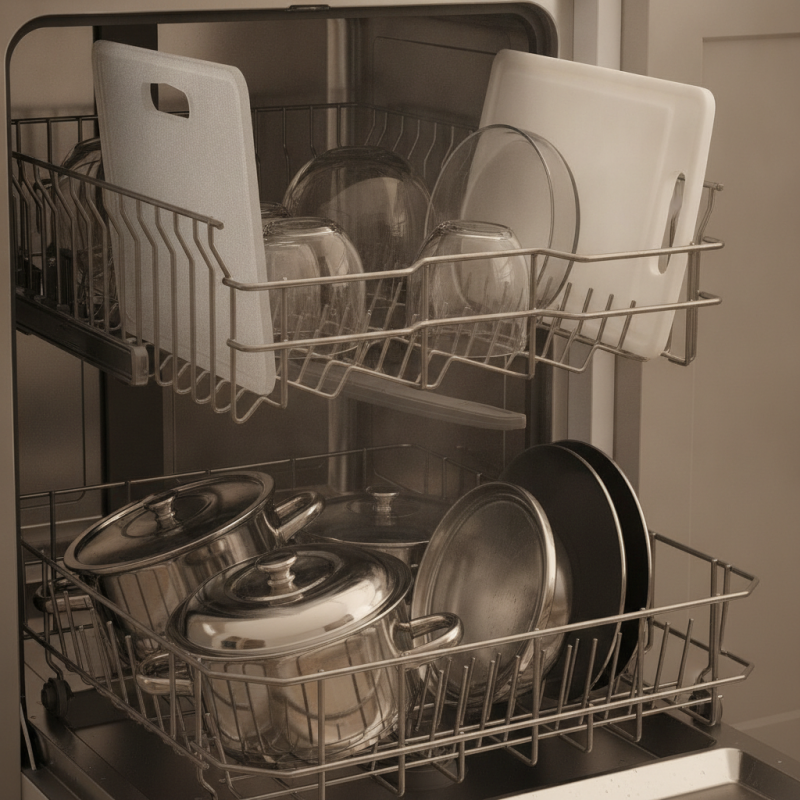
Plastic cutting boards are common in many kitchens. They are lightweight, easy to handle, and come in various colors. However, their safety in the dishwasher can be confusing. Not all plastic cutting boards are created equal. Some may warp or lose their shape when exposed to high heat. This is a concern for those who frequently rely on dishwashers for cleaning.
Understanding the material is crucial. Many plastic boards are labeled as dishwasher-safe, but it's essential to check for specific instructions. High-quality boards often withstand the dishwasher's heat without damage. However, some cheaper options may degrade over time. It's worth considering the impact of repeated dishwasher cycles. Furthermore, the dishwasher's high temperature can sometimes fail to destroy all bacteria.
Care and maintenance differ among boards. Some users report discolored spots or scratches after several washes. These issues can affect their performance. Regular hand washing with mild soap may prolong their lifespan. It’s a simpler approach that doesn’t take much time. A little extra care goes a long way in ensuring that your cutting board remains in good shape.
When it comes to plastic cutting boards, their materials and construction play a crucial role in how they should be maintained. Most plastic cutting boards are made from polyethylene or polypropylene. These materials are durable and resistant to knife marks, making them ideal for food preparation. According to the U.S. Department of Agriculture, properly maintained plastic cutting boards can significantly reduce the risk of bacterial contamination compared to wooden boards.
However, it's essential to consider that not all plastic cutting boards are created equal. Some may warp or lose their shape in the dishwasher due to high temperatures. A study from the National Sanitation Foundation revealed that while many plastic boards are dishwasher safe, thermal safety thresholds can vary. This means users should check manufacturer guidelines to avoid potential damage.
Tips: To maximize hygiene, clean your plastic cutting board after each use. If a dishwasher is used, place the board on the top rack to minimize heat exposure. Regular inspection for wear and tear can spot potential issues before they escalate. Always consider handwashing as a safe option when in doubt about dishwasher suitability.
Plastic cutting boards offer convenience in the kitchen. However, cleaning them in the dishwasher has pros and cons. One benefit is that dishwashers use high temperatures to sanitize surfaces. This can effectively eliminate bacteria and germs. But not all plastic boards are dishwasher-safe. Some may warp or become discolored in high heat.
When considering dishwasher cleaning, check for manufacturer guidelines. Not all plastics withstand harsh conditions. This could compromise the board’s integrity. Also, cutting boards can collect food particles in grooves. A dishwasher may not clean these thoroughly. Hand washing with warm soapy water may be more effective in these cases.
Tips: Always inspect your cutting boards for signs of wear. If you notice deep grooves or cracks, it’s time to replace them. Use a mild detergent and warm water for hand washing. This preserves the board’s lifespan. Check for BPA-free options for improved safety.
When it comes to washing plastic cutting boards, using a dishwasher can be a tempting option. However, this method has its pros and cons. High heat can warp plastic boards, especially those not designed for dishwasher use. It’s crucial to check the manufacturer's guidelines before making this choice. Some plastics may not withstand the intense heat of a dishwasher cycle.
For best results, hand washing remains a reliable method. Use hot, soapy water and a scrub brush. Focus on stubborn spots where bacteria may lurk. Rinse thoroughly and allow the board to air dry. This method helps maintain the integrity of the board and ensures that it remains effective for food preparation. Remember, while dishwashing may save time, it can also lead to wear and tear that affects longevity. Consider your usage and cleaning habits when choosing a method.
| Practice | Description | Frequency | Notes |
|---|---|---|---|
| Dishwasher Cleaning | Place cutting boards in the dishwasher on the top rack. | After every use | Ensure they are dishwasher safe. |
| Hand Washing | Use hot, soapy water and a sponge to manually scrub. | Daily or as needed | Rinse thoroughly to remove soap residue. |
| Sanitizing | Use a solution of vinegar and water to sanitize. | Weekly or after strong odors | Allow to air dry after sanitizing. |
| Inspection | Check for deep grooves or cracks. | Monthly | Replace if heavily worn or damaged. |
When it comes to maintaining plastic cutting boards, dishwashing is not always the best option. While some may think it’s convenient, heat and harsh detergents can wear down the plastic over time. Instead, consider hand washing with a gentle dish soap and warm water. This method preserves the integrity of the material and ensures a cleaner surface for food preparation.
Another effective practice is using vinegar or baking soda. Both are natural disinfectants that can help eliminate bacteria. Sprinkle baking soda on the board, then spray with vinegar. Let it sit for a few minutes before scrubbing. This technique is not only safe but also eco-friendly. Be cautious, though; excessive scrubbing might scratch the surface, creating hiding spots for germs.
Regular oiling can also prolong the life of your cutting board. This means applying food-safe mineral oil periodically to keep it hydrated. It can be tempting to skip this step, but neglecting your board might mean an uneven surface. An uneven surface can lead to uncontrolled knife movements, causing potential accidents in the kitchen. Maintaining a routine is essential for ensuring your board remains in good shape.
re all plastic cutting boards safe for the dishwasher?
Check for specific instructions on the board. High-quality boards often have labeling.
Most are made from polyethylene or polypropylene, which are durable and knife-resistant.
Yes, repeated cycles can degrade some boards over time, affecting their performance.
Regular hand washing with mild soap can prolong their lifespan and keep them clean.
Clean it after each use and inspect for scratches or discoloration regularly.
Hand washing is often safer when in doubt about the board's dishwasher safety.
Regularly inspect it and consider replacing it if you notice significant damage.
Sometimes, the high temperature fails to destroy all bacteria, so proper cleaning is essential.
Discolored spots can appear due to repeated washes. It may affect the board’s performance.
When considering the question, "Can you put plastic cutting boards in the dishwasher?" it's essential to understand both the materials and construction of these boards. Plastic cutting boards are generally dishwasher-safe; however, not all are created equal. The durability and heat resistance of the materials can influence how they hold up during a wash cycle.
Dishwasher cleaning offers notable benefits, including thorough sanitization, but it is crucial to follow best practices to avoid warping or melting. This may include placing the cutting boards on the top rack and avoiding high heat settings. Additionally, alternatives to dishwashing, such as hand washing with hot soapy water, can help maintain the integrity of the cutting board while ensuring cleanliness. Overall, while plastic cutting boards can often be placed in the dishwasher, careful decisions regarding their maintenance can extend their lifespan and effectiveness.

Chef Base Kitchen