When considering kitchen tools, the debate centers on this question: Are plastic cutting boards better than wooden ones? Experts have varying opinions on this topic. Dr. Emily Harper, a food safety specialist, explains, “Plastic boards can be sanitized easily, but wood has its merits too.”
Plastic cutting boards are lightweight and can be put in the dishwasher for easy cleaning. Their non-porous surface helps prevent bacteria from getting inside. However, they can develop deep grooves over time, which can harbor germs. This raises concerns about their longevity and safety.
On the other hand, wooden cutting boards offer a natural elegance and are durable when maintained properly. Wood has antimicrobial properties that can help reduce bacterial growth. Yet, they require proper care to avoid warping or cracking. Thus, the choice between these two options often comes down to personal preference and lifestyle. Are plastic cutting boards better than wooden ones? This age-old question demands a deeper look into individual needs and kitchen practices.
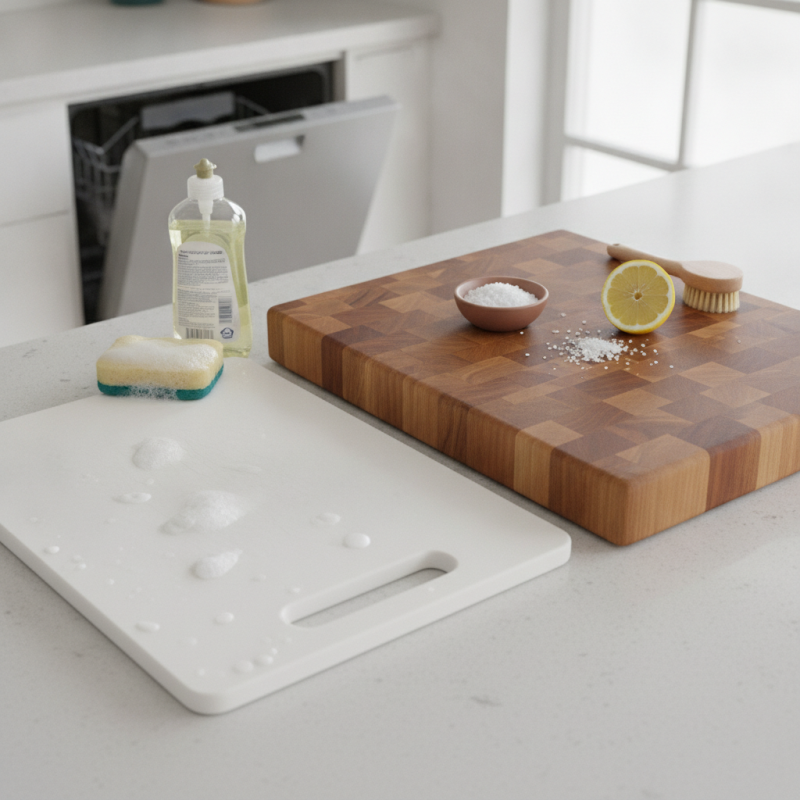
Comparison of Plastic and Wooden Cutting Boards
When comparing plastic and wooden cutting boards, several factors come into play. Plastic boards are often seen as more hygienic. They are dishwasher safe and less porous. This reduces the chance of bacteria penetrating the surface. However, it's important to note that some studies show plastic can harbor bacteria in scratches. Regular maintenance is essential to ensure cleanliness.
On the other hand, wooden cutting boards can be quite appealing. Many chefs prefer wood for its durability and knife-friendly surface. They often exhibit natural antimicrobial properties. Yet, they require special care and should not be soaked in water. Some find it difficult to keep them free from odors and stains. This inconsistency poses a question: do we sacrifice ease of cleaning for a more pleasant cooking experience?
Both types of boards are popular for different reasons. Personal habits play a significant role in which one is "better." It's important to regularly assess your cutting board's condition, regardless of the material. Each option presents its own challenges. Understanding these nuances is key to making an informed decision.
Hygienic Aspects of Plastic vs. Wooden Cutting Boards
When it comes to hygiene,
plastic and wooden cutting boards have distinct characteristics.
Studies have shown that plastic boards are often considered more hygienic than their wooden counterparts.
According to a report from the USDA, plastic boards can be washed in hot water and sanitized easily. This is crucial in reducing cross-contamination, especially when dealing with raw meat. Conveniently, they can even go into the dishwasher, which offers a thorough cleaning method.
On the other hand,
wooden boards possess a unique natural property.
Wood’s porous surface can absorb bacteria, but research indicates that these bacteria often die off over time.
The University of California found that after a few hours, the bacterial count on wood decreases significantly.
However, cleaning is vital. Not all wood types are created equal; some are more resistant to bacteria. This adds complexity to their use in kitchens, where safe practices are essential.
The debate continues, influenced by personal practices and preferences.
Consumers often favor plastic for ease and washing convenience.
However, many chefs appreciate the aesthetic and cutting qualities of wood.
This decision can be influenced by various factors, including kitchen habits and food types.
Ultimately, both types of boards have their merits and drawbacks in terms of hygiene.
Durability and Longevity of Cutting Board Materials
When choosing a cutting board, durability and longevity are key factors. Wooden boards, made from hardwood like maple or walnut, can last for years. With proper care, they resist deep scratches and dents. However, they require regular oiling to maintain their condition. Neglect can lead to warping or cracking, compromising usability.
Plastic boards, on the other hand, are often more durable against knife marks. They are dishwasher-safe, making them easier to sanitize. However, they can eventually show wear and tear, including discoloration or scratching. Some users notice that these scratches harbor bacteria, raising concerns about hygiene. The decision often comes down to maintenance and personal preference.
Each material offers distinct advantages and drawbacks. You might find that a wooden board feels better for chopping vegetables, while a plastic one is easier to clean after raw meat. Your choice could be influenced by usage frequency and food types prepared. Each option poses challenges, highlighting the need for conscious care in your kitchen.
Durability and Longevity of Cutting Board Materials
Maintenance and Care for Plastic and Wooden Cutting Boards
When it comes to maintaining cutting boards, both plastic and wooden varieties have unique care needs.
Plastic boards are easy to clean. A simple wash with warm soapy water does the trick.
They can also be placed in the dishwasher for a thorough cleanse. However, they can develop deep grooves over time.
These grooves can harbor bacteria. Regularly inspecting for wear and replacing them when necessary is crucial.
Wooden cutting boards require more delicate care.
They should be hand-washed with mild soap and dried immediately. Wood is porous, which can trap bacteria.
Using food-safe mineral oil helps seal the board and maintain its integrity.
However, over time, wood may crack or warp, which can affect its usability.
It's essential to regularly oil wooden boards to prevent this deterioration. Recognizing these care differences will help you extend the life of your cutting boards, regardless of the material.
Environmental Impact of Plastic and Wood Cutting Boards
When considering the environmental impact of cutting boards, both plastic and wood have their pros and cons. Plastic boards are often made from petroleum products. This raises concerns about fossil fuel extraction and pollution during production. They may also take hundreds of years to decompose in landfills. Yet, plastic cutting boards can be recycled, which provides a chance for reuse.
On the other hand, wooden cutting boards are typically made from renewable resources. Sustainable forestry practices can reduce their environmental impact. Wood is biodegradable and can break down naturally over time. However, not all wooden boards come from eco-friendly sources. Some may contribute to deforestation or habitat loss. It's critical to choose certified wood products when possible.
Both options present challenges. Plastic boards can harbor bacteria in scratches, requiring more frequent replacement. Wooden boards need regular oiling to maintain their integrity. Understanding these factors helps in making responsible choices. The decision may not be straightforward, but it fosters a deeper reflection on our habits and their impact on the planet.
Are Plastic Cutting Boards Better Than Wooden Ones for You? - Environmental Impact of Plastic and Wood Cutting Boards
| Feature |
Plastic Cutting Boards |
Wooden Cutting Boards |
| Durability |
Moderately Durable; can warp over time |
Highly Durable; can last for years with care |
| Bacterial Growth |
More susceptible to scratches, which can harbor bacteria |
Less prone to bacteria due to natural antimicrobial properties |
| Maintenance |
Easier to clean; dishwasher safe |
Requires oiling and special care to prevent cracking |
| Environmental Impact |
Oil-based plastics are derived from fossil fuels |
Sustainable if sourced from responsibly managed forests |
| Cost |
Usually cheaper to produce |
Tends to be more expensive due to quality materials |
FAQS
: Plastic cutting boards are often seen as more hygienic, but they can harbor bacteria in scratches.
Yes, wooden cutting boards are durable and gentle on knife edges, but they require special care.
Yes, plastic boards are dishwasher safe, making them easier to maintain.
Wooden boards need regular oiling and should never be soaked in water to avoid damage.
Plastic boards may need replacement more often due to scratches harboring bacteria.
They can be, especially if sourced from sustainable forestry, but not all options are eco-friendly.
They are made from petroleum products, raising concerns about fossil fuel use and environmental pollution.
Yes, some users find it challenging to keep wooden boards free from odors and stains.
Yes, plastic cutting boards can be recycled, offering a chance for reuse and reduction of waste.
Consider hygiene, maintenance needs, environmental impact, and personal cooking habits when choosing.
Conclusion
The debate over whether plastic cutting boards are better than wooden ones encompasses various factors, including hygiene, durability, maintenance, and environmental impact. In terms of hygiene, plastic boards are often considered more favorable as they can be easily sanitized and are non-porous, minimizing the risk of bacterial contamination. However, wooden boards have natural antimicrobial properties that can also inhibit bacterial growth if properly maintained.
When it comes to durability, plastic cutting boards tend to be more resilient to deep cuts, while wooden boards require careful handling to avoid warping and cracking. Both types of cutting boards necessitate routine maintenance, with wooden boards requiring oiling to preserve their condition, whereas plastic boards are dishwasher safe and easier to clean. Lastly, the environmental impact of plastic versus wood presents a complex issue, with wooden boards being biodegradable, while plastic poses long-term ecological challenges. Ultimately, the question, "Are plastic cutting boards better than wooden ones?" does not have a definitive answer, as each type offers distinct advantages and disadvantages depending on personal preferences and usage scenarios.
 Chef Base Kitchen
