 Chef Base Kitchen
Why is a Non Porous Cutting Board Essential for Safe Cooking?
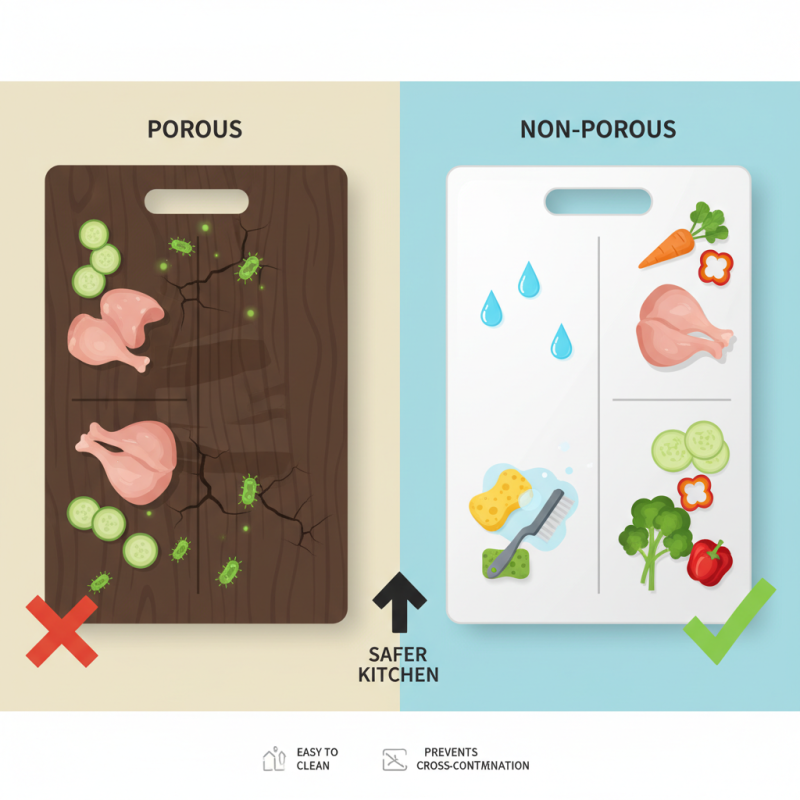
When it comes to kitchen safety, choosing the right cutting board is crucial. Why is a non-porous cutting board important? Non-porous materials provide a smooth and easy-to-clean surface. Bacteria thrive in porous surfaces that harbor food particles. Cutting boards that absorb moisture can lead to cross-contamination. This makes non-porous boards ideal for handling raw meats and vegetables safely.
Many people overlook the significance of board materials. A non-porous cutting board, like plastic or glass, reduces the risk of harmful bacteria. These boards can be sanitized easily. They don’t hold onto stains or odors, making them more reliable for food preparation. Using a surface that stays hygienic is vital for preventing foodborne illnesses.
Inexperienced cooks may struggle with this choice. They might favor wooden boards for aesthetics. However, understanding food safety is paramount. A focus on hygiene can’t be underestimated. If overlooked, the consequences can be severe. Opting for a non-porous cutting board is one simple yet effective step toward a safer kitchen environment. Making informed choices leads to better cooking experiences.
The Importance of Material in Cutting Boards for Safety
When considering safety in the kitchen, the material of your cutting board plays a vital role. Non-porous cutting boards are essential because they do not absorb liquids, preventing the growth of harmful bacteria. Unlike porous materials, such as wood, non-porous boards keep your food safe. This is especially crucial for raw meats. The risk of cross-contamination increases with the use of an unsafe board.
Professionals often recommend plastic or glass cutting boards for their non-absorbent properties. Cleaning them is straightforward too. A simple soapy wash followed by a rinse is sufficient. Avoid using porous boards for tasks involving raw products. It can be difficult to fully sanitize these surfaces.
Tips for maintaining your non-porous cutting board include: washing promptly after use, avoiding abrasive cleaners, and storing it flat. Regular checks for scratches are also wise. Small cuts can harbor bacteria. Replace your board as soon as you notice significant wear. A well-maintained cutting board can last for years but requires attention. Each detail matters in food safety.
Why is a Non Porous Cutting Board Essential for Safe Cooking?
| Material Type | Non-Porous? | Bacteria Resistance | Durability | Maintenance Ease |
|---|---|---|---|---|
| Plastic | Yes | High | Moderate | Easy |
| Bamboo | Yes | Moderate | High | Moderate |
| Glass | Yes | Very High | Very High | Easy |
| Wood | No | Low | High | Moderate |
| Ceramic | Yes | Very High | High | Easy |
FAQS
: They do not absorb liquids, which prevents bacteria growth and cross-contamination.
Plastic or glass cutting boards are often recommended due to their non-absorbent properties.
A simple wash with soapy water followed by a rinse is sufficient.
Wash promptly, avoid abrasive cleaners, store flat, and regularly check for scratches.
They can be hard to sanitize, increasing the risk of harmful bacteria surviving.
The average size is 12 by 18 inches, suitable for various kitchen tasks.
Different shapes offer unique benefits, like round boards for rolling dough and square boards for chopping.
Scratches can harbor bacteria. Replace the board if you notice significant wear.
Replace them when you notice significant scratches or cuts that cannot be cleaned properly.
While looks matter, functionality and ease of cleaning should take priority over aesthetics.
Conclusion
A non-porous cutting board is essential for safe cooking due to its ability to inhibit bacterial growth and support better hygiene practices in the kitchen. Unlike porous materials, which can harbor bacteria and absorb juices from food, non-porous cutting boards provide a smoother surface that is easier to clean and sanitize. This makes them an ideal choice for preparation, especially when handling raw meats and vegetables.
Understanding the advantages of non-porous cutting boards involves recognizing their role in reducing contamination risks. Regular cleaning and maintenance of these boards further enhance hygiene, ensuring a safer cooking environment. Additionally, selecting the right size and shape of a non-porous cutting board can facilitate efficient food prep, underlining why a non-porous cutting board is important for any home chef aiming for optimal safety and cleanliness in the kitchen.
