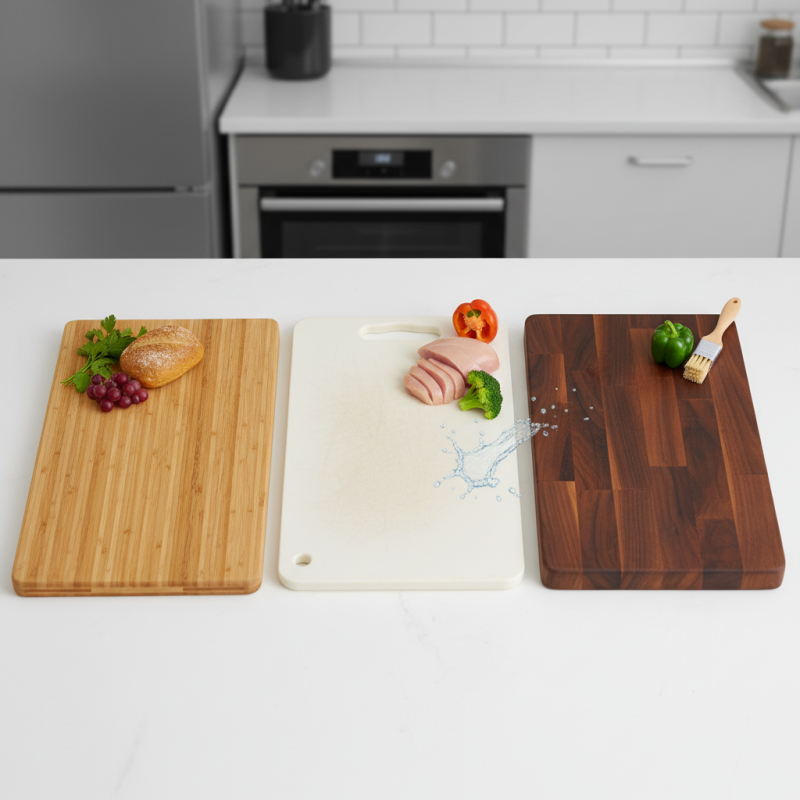
When selecting a cutting board, many people overlook hygiene. The type of material you choose can significantly impact food safety. This raises the question: What is the most hygienic type of cutting board? Various materials, such as wood, plastic, and bamboo, all come with unique benefits.
Plastic cutting boards are popular for their ease of cleaning. They can be placed in the dishwasher, making them convenient. However, plastic can develop deep grooves over time, harboring bacteria. On the other hand, wooden boards, while stylish, require special care. Maintaining their surface can be challenging, yet they are naturally antimicrobial.
Understanding these differences is crucial for making informed choices. Some may argue that one type is better than another. The truth is, it depends on individual usage and habits. Being aware of how you handle and clean your cutting boards is essential for ensuring food safety.
Types of Cutting Boards: A Comparison of Materials
When choosing a cutting board, material matters. Common types include wood, plastic, and bamboo. Each has unique attributes and varying degrees of hygiene. Wood cutting boards can harbor bacteria if not maintained properly. They require regular oiling and thorough cleaning. Despite this, wood is known for its durability and self-healing properties.
Plastic boards, on the other hand, are easier to sanitize. They are often dishwasher safe. However, they can scar easily, creating grooves where bacteria can hide. Bamboo boards, a compromise between wood and plastic, are eco-friendly. They resist moisture but can also suffer from wear and tear over time.
The choice between these materials often comes down to personal preference. Think about how you use your cutting board. Regular maintenance is key for hygiene. Understanding these nuances can guide you to the most suitable cutting board for your kitchen.
Understanding Bacterial Growth on Different Cutting Board Surfaces
When considering cutting boards, it's essential to understand the surfaces and their impact on bacteria. Research shows that wood cutting boards have natural antibacterial properties. Studies indicate they can reduce bacterial count by up to 99% within minutes. This is due to the wood fibers absorbing bacteria and trapping them, preventing their growth.
In contrast, plastic cutting boards can harbor bacteria in their grooves. A study published by the Journal of Food Protection found that plastic boards retained harmful bacteria after washing. These grooves create hiding spots for pathogens, making them difficult to sanitize completely.
Stainless steel boards are less common but also show promise, as their non-porous surface does not allow bacteria to settle.
However, no cutting board is without concerns. It's possible for any surface to develop bacteria if not cleaned properly. For instance, cross-contamination can occur when boards aren't assigned specific uses, like separating meats from vegetables. Ultimately, the choice depends on your kitchen practices and hygiene habits. Regular maintenance and awareness are crucial in minimizing bacterial growth.
Hygienic Practices for Maintaining Your Cutting Boards
Maintaining a hygienic cutting board is essential for food safety. Studies show that wooden cutting boards can harbor fewer bacteria than plastic alternatives when properly maintained. In fact, research from the Journal of Food Protection indicates that wood can kill off bacteria more effectively due to its natural antimicrobial properties. This means choosing wood is not just about aesthetics; it can significantly influence kitchen hygiene.
Regular cleaning is crucial. After each use, wash the board with hot, soapy water. Avoid soaking it in water, which can cause warping. For deeper sanitation, a mixture of vinegar and water can effectively eliminate germs. This method is simple, yet it requires diligence. Many overlook the importance of periodically oiling wooden boards to maintain their integrity. A well-oiled board is less likely to crack and is more resistant to bacteria.
One common mistake is neglecting to replace cutting boards that show signs of deep grooves and scratches. These imperfections can trap bacteria, making cleaning less effective. The USDA emphasizes the need for replacing old boards regularly. Doing so creates a healthier cooking environment, not only for you but for your loved ones as well. Awareness of these maintenance practices reflects a commitment to food safety that every home cook should adopt.
Choosing the Right Cutting Board for Your Cooking Habits
When selecting a cutting board, consider your cooking habits closely. Different materials offer varying levels of hygiene. According to a study published in the Journal of Food Protection, bamboo and plastic cutting boards are often deemed more hygienic than wood. They resist bacteria and are easier to clean.
It's essential to understand the use case for each board. For example, if you often prepare raw meats, a non-porous plastic board may be best. It can be sanitized effectively. In contrast, wood boards can harbor bacteria if not properly maintained. Regular oiling helps maintain them, but some may find this inconvenient.
Think about your lifestyle. Do you have time for extra maintenance? A simple wash with soap and water is all it takes for plastic boards. However, wood requires more attention. Balancing hygiene with practicality is key. Reflect on your cooking frequency and the types of food you prepare. The right choice can enhance your kitchen experience and ensure food safety.
Hygienic Cutting Board Types
This chart displays the hygiene ratings of different types of cutting boards based on their material. Plastic cutting boards tend to have the highest hygiene rating due to their non-porous nature, allowing for easier cleaning and disinfection.
The Role of Cutting Board Care in Food Safety
Cutting board care is vital in ensuring food safety. A study by the USDA found that 75% of kitchen bacteria come from improperly maintained cutting boards. Proper cleaning and sanitization make a significant difference. Wood boards, while popular, can harbor bacteria if not cared for properly. Meanwhile, plastic boards can be easier to clean but may develop deep grooves over time, which can also trap bacteria.
Here are some crucial tips for maintaining your cutting board's hygiene. First, clean your board immediately after use with hot soapy water. Always dry it completely to avoid moisture that breeds bacteria. Once a month, sanitize with a solution of one tablespoon of bleach in one gallon of water. Make sure to rinse thoroughly after.
Consider the type of food you're preparing. Raw meats should always be sliced on a separate board to prevent cross-contamination. It's a common mistake to use the same board for everything. This oversight can lead to foodborne illnesses. Keeping boards designated for specific food types is a smart strategy for a safer kitchen.
What is the Most Hygienic Type of Cutting Board for You? - The Role of Cutting Board Care in Food Safety
| Cutting Board Material |
Hygiene Rating |
Ease of Cleaning |
Durability |
Recommended Care |
| Plastic |
High |
Easy (dishwasher safe) |
Moderate |
Wash with soap and water, sanitize regularly |
| Wood |
Moderate |
Moderate (not dishwasher safe) |
High |
Hand wash with mild soap, regularly oil to maintain |
| Bamboo |
High |
Moderate (not dishwasher safe) |
Moderate |
Hand wash, apply mineral oil periodically |
| Glass |
High |
Very Easy (dishwasher safe) |
High |
Wash with soap and water |
FAQS
: Wood cutting boards can reduce bacteria by up to 99% due to their natural antibacterial properties.
Plastic boards have grooves that retain harmful bacteria, making them hard to sanitize completely after washing.
Wash your cutting board with hot, soapy water after each use. Avoid soaking it to prevent warping.
Yes, a vinegar and water mixture can effectively eliminate germs from cutting boards, but requires regular use.
Replace cutting boards showing deep grooves or scratches regularly. These imperfections can trap bacteria.
Yes, wood boards need periodic oiling to maintain integrity and reduce bacteria accumulation.
Consider your cooking habits, hygiene needs, and the time you have for maintenance before choosing a board.
Yes, bamboo boards are often considered hygienic as they resist bacteria and are easier to clean.
Yes, any cutting board can harbor bacteria if not cleaned properly or designated for specific uses.
Many overlook regularly oiling wooden boards, which is crucial for preventing cracks and bacteria growth.
Conclusion
In the quest to determine what is the most hygienic type of cutting board, it’s essential to compare the various materials available, such as wood, plastic, and bamboo. Each material has distinct properties that influence bacterial growth, with some surfaces being more resistant to contamination than others. Understanding how bacteria thrive on different cutting board materials can guide consumers in making informed choices based on their cooking habits and preferences.
Maintaining the hygiene of cutting boards also involves implementing proper cleaning practices, which play a vital role in food safety. Regularly sanitizing and caring for cutting boards helps reduce the risk of cross-contamination in the kitchen. Ultimately, selecting the right cutting board and ensuring its upkeep are crucial steps in promoting health and hygiene in food preparation.
 Chef Base Kitchen