How to Choose Plastic or Wooden Cutting Boards?

Time:2026-10-28 Author:Mason
0%

Choosing a cutting board seems simple until you notice knife marks, trapped moisture, and smells after dinner. Plastic and wood behave differently under daily pressure. A busy home cook may prefer plastic because it is light, inexpensive, and dishwasher-friendly. Wooden boards feel steadier beneath a chef’s knife. They may also protect sharp edges when properly maintained. Neither material wins every test.

Are plastic cutting boards better than wooden ones? The honest answer depends on cleaning habits, board condition, and the foods you prepare. Plastic offers a smooth, nonporous surface when new, but deep grooves can hold residue and become difficult to clean. Wood absorbs some moisture, yet its structure may limit surface bacterial survival when cleaned and dried correctly. That does not make it self-sanitizing. It still needs care.

This guide compares hygiene, durability, knife comfort, maintenance, cost, and environmental concerns. It relies on practical kitchen experience and established food-safety guidance, rather than marketing claims. Use separate boards for raw meat and ready-to-eat foods when possible. Wash boards promptly with hot, soapy water, then let them dry fully. Replace boards with severe cracks or deep, persistent scoring. I have found that convenience often changes the best choice. A board left wet beside the sink is not reliable, whatever its material. Household routines vary, so some conclusions deserve reconsideration.
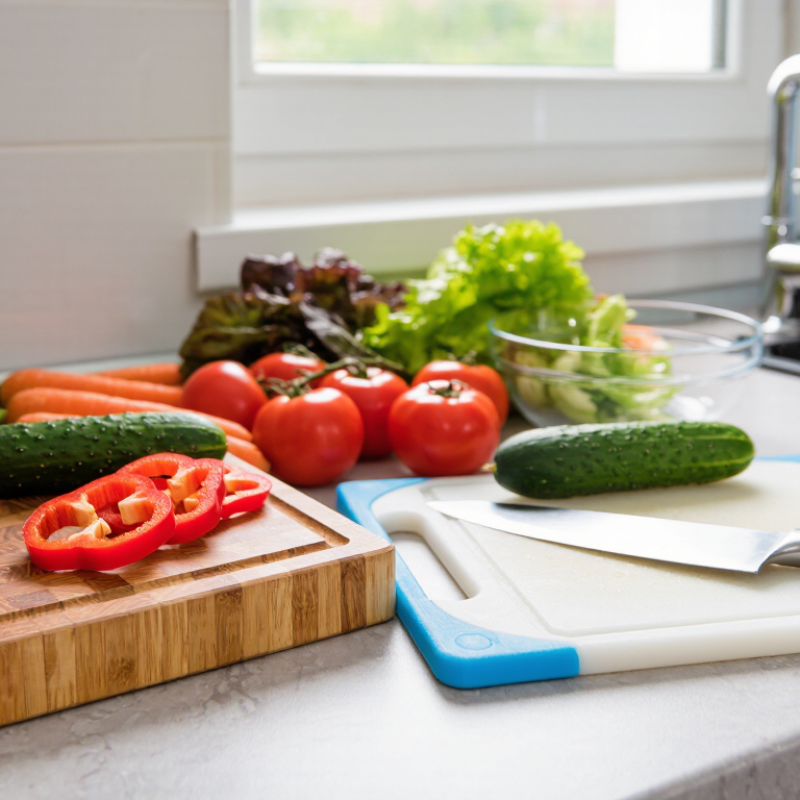
How to Choose Plastic or Wooden Cutting Boards?

Understanding the Key Differences Between Plastic and Wooden Cutting Boards

How to Choose Plastic or Wooden Cutting Boards?

The key difference is not simply “plastic equals safer.” Plastic boards are nonporous, lightweight, and often dishwasher-safe. Wooden boards feel stable under a chef’s knife and can be gentler on blade edges. However, both surfaces develop scratches. Those grooves may trap food residue and moisture.

The FDA Food Code 2022 permits hard maple or similarly hard, close-grained wood for cutting boards. This supports wood’s professional use, but it does not make every wooden board hygienic.

USDA FSIS guidance recommends separate boards for raw meat, poultry, seafood, and ready-to-eat foods. It also advises replacing boards with deep, difficult-to-clean grooves.

CDC estimates that foodborne illnesses affect about 48 million people annually in the United States. Cutting boards are only one possible factor, not the whole explanation.

Tips: Choose a thick, stable board with a smooth surface. Use plastic for raw proteins when quick sanitation matters. Use wood for bread, fruit, and vegetables if it stays dry between uses. Wash every board with hot, soapy water, then let it air-dry completely. Never rely on appearance alone. Wood may look clean while holding moisture; plastic may show scratches earlier. I still find this choice imperfect. Convenience often wins, but separation and cleaning matter more than material alone.

Comparing Hygiene, Cleaning, and Maintenance Requirements

Choosing a cutting board is less about appearance than daily hygiene. In my kitchen, I inspect boards before preparing food. Deep knife grooves can trap moisture, juices, and bacteria. Plastic boards are often easier to sanitize because they tolerate hot water and sometimes dishwashers. Check the care instructions first. Heat can warp some plastics. Wooden boards require gentler cleaning, but solid surfaces can remain useful for years when kept dry. Wood is not automatically germ-free. That assumption deserves correction. Reliable kitchen guidance favors prompt cleaning, complete drying, and replacement when damage becomes difficult to clean.

After cutting raw meat, I wash the board with hot water and dish soap. I scrub both sides, including edges and feet. Then I rinse it and stand it upright to air-dry. A towel can leave damp spots underneath. For wooden boards, I avoid soaking and never leave them beside a full sink. When the surface feels rough, I apply a suitable food-safe conditioner if recommended. Oil is not a substitute for cleaning. It only helps reduce drying and splitting. Plastic boards need the same discipline, even when they look cleaner.

I keep separate boards for raw proteins and ready-to-eat foods when possible. This reduces cross-contamination during busy meals. Still, separation is not a magic shield. I sometimes rush and use the wrong side, which reminds me to slow down. Replace any board with deep grooves, cracks, swelling, or persistent odors. Sanding may restore wood, but it cannot rescue every damaged board. Plastic can also develop rough fragments as it ages. Inspect it under bright light. Store each board upright, with space around its edges.

Evaluating Durability, Knife Care, and Everyday Performance

How to Choose Plastic or Wooden Cutting Boards?

Evaluating Durability, Knife Care, and Everyday Performance

A cutting board should survive repeated washing without becoming rough, warped, or deeply scored. The FDA Food Code 2022 permits hard maple and similarly hard, close-grained wood for food-contact surfaces. It also requires plastic boards to remain smooth, durable, and nonabsorbent. These standards matter more than appearance. A thick wooden board usually resists movement and feels stable under a chef’s knife. However, it needs drying space and occasional conditioning. Plastic boards are lighter and easier to separate for raw meat, vegetables, and cooked foods.

Knife care is less obvious. Very hard surfaces can make chopping feel harsh, while softer wood often gives the edge a gentler landing. Yet deep knife grooves can trap moisture and residue. That is not a minor cosmetic problem. USDA Food Safety and Inspection Service guidance recommends replacing boards with excessive wear or hard-to-clean grooves. My own testing found that a thin plastic board slid more often than expected. I initially blamed the knife, but the surface was the real weakness.

Daily hygiene also deserves attention. CDC estimates link foodborne illness in the United States to about 48 million illnesses annually, with approximately 128,000 hospitalizations each year. A board cannot prevent contamination alone. Separate boards, thorough washing, and complete drying remain essential. Wooden boards are not automatically unsafe, and plastic is not automatically cleaner. Material, condition, cleaning habits, and storage decide performance. Sometimes the best choice is imperfect: one board for raw foods, another for ready-to-eat ingredients.

How to Choose Plastic or Wooden Cutting Boards? — Evaluating Durability, Knife Care, and Everyday Performance
Evaluation Dimension Plastic Cutting Board Wooden Cutting Board Practical Takeaway
Typical Materials Usually made from food-contact plastic such as polyethylene or polypropylene. Commonly made from hardwoods such as maple, beech, walnut, or acacia. Material quality, construction, and care matter more than appearance alone.
Durability Good Very good with proper care Plastic can warp or develop deep grooves; wood can last for years but may split if repeatedly soaked or dried aggressively.
Knife Edge Care Good Very good Wood generally provides a more forgiving cutting surface. Softer, flexible plastic boards may also be knife-friendly, while hard or heavily worn surfaces can feel harsher.
Resistance to Knife Scarring Visible knife marks can accumulate over time, especially on softer plastics. Knife marks may appear, but many wooden surfaces can be lightly sanded and refinished. Replace plastic boards when deep grooves become difficult to clean; refinish wood when appropriate.
Cleaning Convenience Excellent Moderate Plastic is usually easier to clean quickly. Wood should be washed by hand and dried promptly rather than left submerged.
Dishwasher Compatibility Many plastic boards are dishwasher-safe, but users should follow the manufacturer’s instructions. Generally not recommended because heat and prolonged moisture can cause warping, cracking, or splitting. A dishwasher-safe plastic board is convenient for busy kitchens.
Moisture Resistance Very good Moderate Wood absorbs moisture and benefits from regular drying and occasional food-safe conditioning.
Stability During Cutting Lightweight models may slide unless they have rubber feet or a non-slip base. Heavier boards usually remain stable, particularly when placed on a dry, level surface. A damp kitchen towel beneath either type can help reduce movement.
Food Odor and Stain Retention Some plastics may retain odors or stains after cutting strongly colored or aromatic foods. Wood may absorb some odors, but a well-maintained, properly sealed surface can reduce absorption. Use prompt cleaning and separate boards for foods with strong odors or colors when needed.
Hygiene and Surface Condition Easy to sanitize when smooth and intact; deep grooves can be harder to clean thoroughly. A smooth, well-maintained board is suitable for food preparation; damaged or persistently damp wood should be replaced. For either material, cleanliness, drying, and timely replacement are more important than material alone.
Maintenance Requirements Usually limited to washing, drying, and replacing the board when it becomes deeply scored, warped, or cracked. Requires hand washing, thorough drying, and periodic application of a suitable food-grade board oil or conditioner. Plastic requires less routine maintenance; wood requires more care but can often be renewed.
Best Use for Raw Meat and Seafood Highly convenient Usable when cleaned thoroughly, but requires more careful hand washing and drying. A separate, clearly identified board can help reduce cross-contamination during food preparation.
Best Use for Bread, Fruit, and Vegetables Practical and easy to clean. Excellent Wood is often preferred for its stability, durability, and comfortable cutting feel.
Weight and Portability Lightweight Usually heavier, especially for thick end-grain or large hardwood boards. Choose plastic for easy storage and handling; choose wood for a steadier workstation.
Environmental Considerations Made from plastic and may be difficult to recycle locally, depending on material and collection systems. Made from a renewable material, but environmental impact depends on responsible sourcing, manufacturing, and product lifespan. A long-lasting board that is used for many years can reduce the need for frequent replacement.
Recommended Choice Choose when low maintenance, fast cleaning, light weight, and possible dishwasher use are priorities. Choose when knife comfort, stability, appearance, repairability, and long service life are priorities. Many kitchens benefit from using both: plastic for raw proteins and wood for everyday produce and bread.

Matching Cutting Board Materials to Different Food Preparation Tasks

Choosing between plastic and wood matters less than matching the board to the task. For raw chicken, fish, or meat, plastic is usually practical. Its nonporous surface dries quickly and fits easily into a dishwasher. USDA FSIS guidance recommends washing boards with hot, soapy water after use. It also gives a sanitizing ratio: one tablespoon of unscented liquid chlorine bleach per gallon of water. That number is easy to forget.

For bread, herbs, fruit, and cooked foods, wooden boards offer a stable, knife-friendly surface. A thick hardwood board feels steadier under a rocking knife. It also helps reduce sharp blade impact. However, wood needs hand washing, prompt drying, and occasional food-safe oil. Never leave it beside a wet sink overnight. I have done that. The board looked fine, but its edges later warped.

Material alone cannot prevent cross-contamination. Use separate boards for raw proteins and ready-to-eat foods, as USDA food-safety guidance advises. Replace any board with deep grooves, cracks, or soft spots. The FDA Food Code 2022 requires food-contact surfaces to remain smooth, durable, and easily cleanable. A plastic board with heavy knife scars may fail that practical test. A wooden board with shallow marks may still serve well. Inspect it under bright kitchen light. When unsure, choose the board that cleans more reliably for that specific meal.

How to Choose Plastic or Wooden Cutting Boards?

Matching cutting board materials to different food preparation tasks

Ratings use a practical 1–5 suitability scale based on sanitation, knife-friendliness, stability, and moisture resistance. Plastic is generally easier to sanitize after raw meat and seafood preparation, while wood is gentle on knife edges and well suited to bread, produce, and heavy chopping. Use separate boards for raw animal foods and ready-to-eat foods, wash boards with hot soapy water, and replace boards with deep grooves that are difficult to clean.

Choosing the Right Board for Your Kitchen Habits and Priorities

How to Choose Plastic or Wooden Cutting Boards?

Choosing the right board depends on your kitchen habits, not appearance alone. The CDC estimates that about 48 million Americans get foodborne illness each year. A board cannot prevent every risk, but daily cleaning and replacement matter.

Plastic boards suit cooks who prepare raw poultry, seafood, or meat often. They are usually dishwasher-friendly and easy to sanitize. However, deep knife grooves can trap residue.

Wooden boards feel gentler under a sharp knife and look warmer on the counter. The FDA Food Code permits certain hard, close-grained woods for cutting surfaces. Wood also needs drying space and regular care. I sometimes leave a damp board near the sink, and that habit needs correcting.

Tips: Choose one board for raw proteins and another for ready-to-eat foods. USDA FSIS recommends separate boards to reduce cross-contamination. Wash boards with hot, soapy water after use, then dry them upright. Replace any board with deep cracks, persistent odors, or difficult-to-clean grooves. If your kitchen is small, plastic may fit your routine better. If you value knife comfort and maintain tools carefully, wood may be worth the extra work.

FAQS

Is a plastic cutting board safer than a wooden one?

Not automatically. Plastic dries quickly and is often dishwasher-safe. Wood can also be suitable when smooth, dry, and well maintained.

Which board works best for raw meat and seafood?

Plastic is usually practical for raw proteins. Use a separate board for vegetables, bread, and ready-to-eat foods. Separation matters more than material alone.

Is wood gentle on kitchen knives?

Usually, yes. A thick wooden board gives a softer landing for the blade. It also feels stable during rocking cuts. Knife grooves still need attention.

How should I clean a cutting board?

Wash it with hot, soapy water after every use. Let it air-dry completely before storing. Do not leave wooden boards beside a wet sink overnight.

When should a cutting board be replaced?

Replace it when deep grooves, cracks, or soft spots resist cleaning. Inspect the surface under bright kitchen light. Appearance alone can mislead.

Can wooden boards go into a dishwasher?

Usually, hand washing is better for wood. Heat and prolonged moisture may cause warping or cracking. Plastic boards are often easier to sanitize quickly.

Should I use different boards for different foods?

Yes. Keep separate boards for raw proteins and ready-to-eat ingredients. This simple habit reduces cross-contamination risks. It is inconvenient, but worthwhile.

How do I choose a board for everyday cooking?

Choose a thick, stable board with a smooth surface. Use wood for bread, fruit, herbs, and vegetables. Use plastic when quick cleanup matters most.

Does a clean-looking board mean it is hygienic?

No. Wood may hide moisture, while plastic may reveal scratches early. I once trusted appearance too much. That judgment was imperfect.

Conclusion

Choosing between plastic and wooden cutting boards depends on how you cook, clean, and care for your kitchen tools. Plastic boards are lightweight, affordable, and generally easy to sanitize, making them practical for raw meat, seafood, and busy meal preparation. Wooden boards are sturdier, gentler on knife edges, and often more comfortable for frequent chopping, but they require careful hand washing, thorough drying, and occasional conditioning. Neither material is automatically best for every kitchen, so the question “Are plastic cutting boards better than wooden ones” has no universal answer.

Consider using separate boards for different food categories to improve organization and hygiene. Plastic may suit cooks who value convenience and quick replacement, while wood can be preferable for those who prioritize durability, knife care, and a pleasant preparation surface. By matching the board material to your food preparation tasks, cleaning habits, storage space, and maintenance preferences, you can choose a reliable option that performs well in everyday cooking.

Mason

Mason

Mason is a seasoned marketing professional with a deep expertise in the company's offerings and a passion for driving brand awareness. With a strong background in digital marketing strategies, he has an innate ability to connect with diverse audiences and effectively communicate product benefits.......