 Chef Base Kitchen
How Often Should You Replace Plastic Cutting Boards?
When considering kitchen hygiene, the question arises: how often should you replace plastic cutting boards? Studies suggest that plastic boards, while durable, harbor bacteria over time. According to the USDA, 24% of cutting boards tested in home kitchens showed bacterial contamination. This data underscores the need for regular assessment of cleaning and replacement practices.
Experts recommend replacing plastic cutting boards every one to three years, depending on usage. Severely scratched boards can harbor harmful bacteria, even after thorough cleaning. The FDA notes that worn or damaged boards may retain food particles that are difficult to sanitize. This highlights the importance of personal judgment in managing kitchen tools.
In a survey conducted by the National Sanitation Foundation, 52% of home cooks admitted they couldn't recall the last time they replaced their boards. This lack of awareness can lead to potential food safety hazards. Growing awareness around foodborne illnesses further emphasizes the role of fresh, safe surfaces in food preparation. It's crucial to reflect on your cutting board's condition regularly.
Factors Influencing the Lifespan of Plastic Cutting Boards
When considering how often to replace plastic cutting boards, several factors come into play. These factors significantly influence the lifespan of your boards. One key consideration is the frequency of use. Data indicates that heavily used boards may need replacement every year, while those used less often can last several years. The environment also matters; boards exposed to extreme heat or cold may warp or degrade faster.
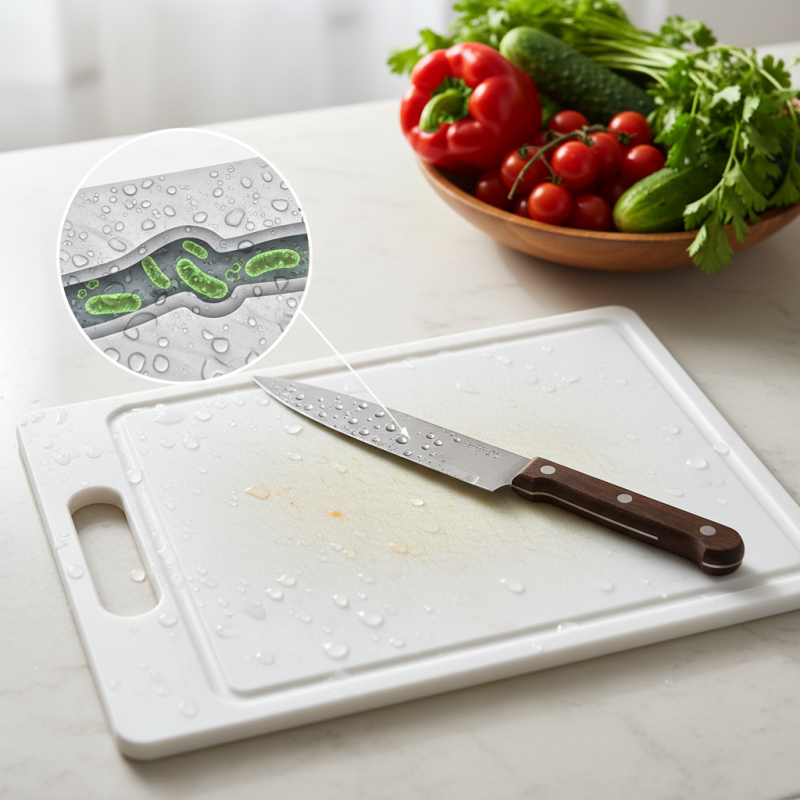
Another crucial aspect is the type of food being prepared. Cutting boards used for raw meat should be inspected more frequently. A study from the USDA highlights that boards used for meat can harbor bacteria even after washing. Cracks and deep grooves in cutting boards can trap bacteria, making them less safe for food preparation.
**Tips for Maintenance:** To extend the life of your cutting board, clean it thoroughly after each use. Consider using a mixture of vinegar and baking soda for effective sanitization. Replacing your cutting board at the first sign of wear or damage is the safest approach. Regularly inspecting for signs of wear can save you from potential food safety issues.
FAQS
: Look for deep grooves, scratches, or bad smells. These signs indicate potential bacteria growth.
Bacteria can thrive in damaged boards. This could lead to food contamination and health risks.
It's best to replace them every one to two years. Regular inspections help ensure cleanliness and safety.
Discoloration suggests wear. It's time to replace the board for better hygiene and safety.
It's safer to use different boards for different foods. This practice can reduce cross-contamination risks.
They often end up in landfills, contributing to lengthy decomposition times and plastic waste issues.
Reflect on recycling options in your area. Many facilities can’t process old plastic correctly.
Yes, but only if it is still easy to clean. Consider minimizing waste by using it longer.
Plastic boards contribute to a rising plastic crisis when not disposed of properly.
Regular inspections and proper care can help prolong its life. Address minor flaws as they arise.
Conclusion
When considering "How often should you replace plastic cutting boards," several factors influence their lifespan, including the frequency of use, type of food prepared, and maintenance practices. Over time, cutting boards can develop deep grooves that harbor bacteria, signaling it's time for a replacement. Generally, it's recommended to replace plastic cutting boards every one to three years, depending on their condition.
To extend the longevity of your cutting board, proper care and maintenance are essential. Regular cleaning with hot soapy water and avoiding dishwasher cycles can keep them in good shape. Additionally, understanding the environmental impact of disposing of old plastic cutting boards highlights the importance of responsible disposal methods or recycling options available. By staying aware of these elements, you can ensure your kitchen remains safe and sustainable.
