How to Choose a Safe Cutting Board for Raw Meat Tips?

Time:2026-08-20 Author:Isabella
0%

Choosing the right cutting board is crucial for food safety. Many home cooks overlook this essential decision. Raw meat can harbor harmful bacteria. A safe cutting board can minimize the risk of contamination.

When considering how to choose a safe cutting board for raw meat, material matters. Plastic boards are often recommended. They are easy to clean and less porous than wood. However, wood boards can be treated properly for safety. Some people believe wood is more hygienic.

Another factor is the board's size. A larger surface allows for better handling of raw meat. This can reduce cross-contamination with other foods. Yet, people sometimes choose smaller boards for convenience. This can be risky. Reflect on your choices and their implications for food safety. In the end, making informed decisions will lead to healthier meals for you and your family.
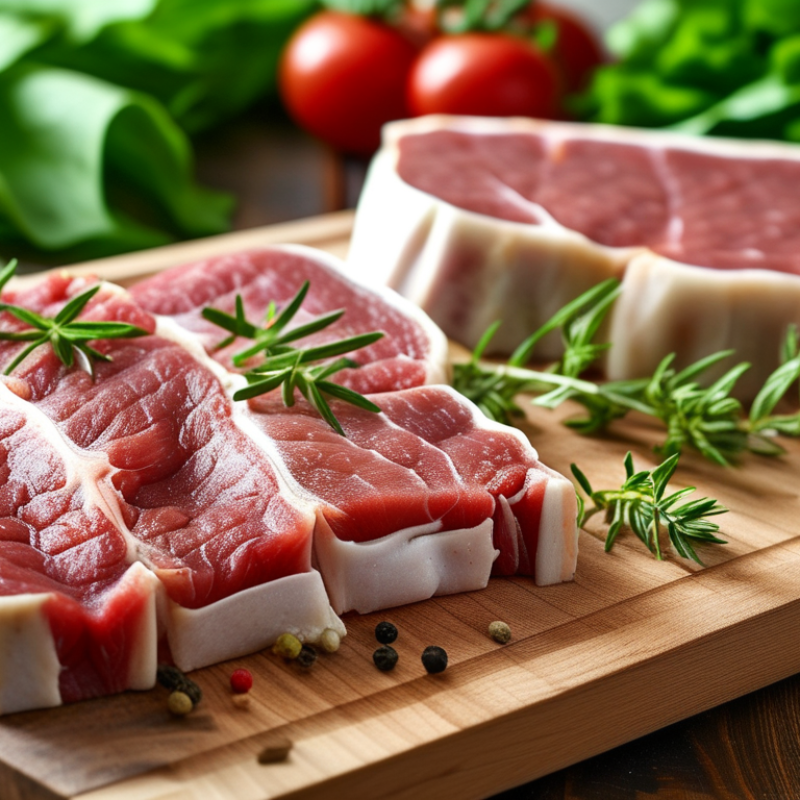
How to Choose a Safe Cutting Board for Raw Meat Tips?

Understanding the Importance of a Safe Cutting Board for Raw Meat

When preparing raw meat, using a safe cutting board is crucial. Choose materials like hardwood or plastic. Studies show that wood boards can have natural antimicrobial properties. However, plastic boards are often easier to sanitize. The USDA recommends using separate boards for raw meat and other foods to prevent cross-contamination.

The surface of a cutting board matters too. Deep grooves can harbor bacteria, making it hard to clean. A 2015 study indicated a significant increase in bacteria levels on boards with scratches. Regularly inspecting your cutting board is essential. Don’t use a board that appears worn or damaged.

Using the right cutting board is only part of safe food preparation. Gaps in knowledge about proper cleaning methods lead to foodborne illnesses. One report indicated that 48 million people in the U.S. get sick from food each year. Learning safe practices, such as sanitizing boards after each use, is vital. Awareness and vigilance can greatly reduce risks in the kitchen.

Different Materials of Cutting Boards and Their Safety Levels

When choosing a cutting board for raw meat, material matters greatly. Wood, plastic, and bamboo are common options. Each has unique safety levels and maintenance requirements. Wood boards are favored for their durability. However, they can harbor bacteria if not cleaned properly. Regular oiling is required to maintain their surface.

Plastic boards are lightweight and easy to sanitize. They can withstand high temperatures. This feature makes them suitable for dishwasher cleaning. However, they may develop deep grooves over time, trapping bacteria. Bamboo is biodegradable and an eco-friendly choice. Yet, it can be abrasive on knives and often requires frequent replacements.

Consider the cutting environment as well. A steady surface prevents slips and accidents. Look for cutting boards with non-slip features. Choose boards that can easily be differentiated for raw meat and other foods. This simple practice reduces cross-contamination risks. Remember, no board is entirely bacteria-proof. Regular cleaning and mindful usage will enhance food safety.

Safety Levels of Various Cutting Board Materials for Raw Meat

How to Properly Clean and Maintain Your Cutting Board

Maintaining a cutting board is crucial, especially when preparing raw meat. After each use, wash the board thoroughly. Use hot, soapy water. Rinse it well and dry immediately. Allowing it to air-dry can cause bacteria to thrive. Store it in a well-ventilated area to avoid moisture buildup.

Deep cleaning should happen regularly. For wooden boards, apply a mixture of vinegar and water. This solution helps eliminate odors and sanitize the surface. Afterward, oil the board with food-grade mineral oil to keep it from drying out. Plastic boards can handle a more intense clean. Use bleach solution or vinegar to remove stubborn stains.

Don’t forget to inspect your board often. Look for cracks or deep grooves where bacteria can hide. If your board shows wear, it might be time to replace it. A damaged board can compromise food safety. Reflecting on your cutting board's condition ensures you maintain a safe and healthy kitchen environment.

Signs That Indicate a Cutting Board Needs Replacement

When it comes to cutting boards, several signs indicate it's time for a replacement. Check for deep grooves or cuts. These imperfections can harbor bacteria, posing a health risk. A cutting board that shows wear may also not provide a stable surface. Sliding around while cutting can lead to accidents.

Another sign is discoloration. If your cutting board has persistent stains that don't wash out, it might be time for a new one. Stains can absorb odors and flavors, impacting your food. Additionally, if the board warps or develops cracks, it's best to discard it. A warped surface won't provide even cutting, making meal prep frustrating.

Lastly, consider the smell. An unpleasant or strong odor can indicate that the material is breaking down. Always trust your senses. A cutting board should have no lingering odors after a thorough cleaning. Regular assessments ensure you maintain a safe kitchen environment.

How to Choose a Safe Cutting Board for Raw Meat Tips? - Signs That Indicate a Cutting Board Needs Replacement

Cutting Board Material Recommended for Raw Meat Signs of Replacement Lifespan (Months)
Plastic Yes Deep grooves or cuts 12-18
Wood Yes Cracks or splinters 18-24
Bamboo Yes Warping or staining 12-18
Composite Yes Peeling layers 24-36

Best Practices for Using Cutting Boards to Prevent Cross-Contamination

Choosing the right cutting board is crucial to avoid cross-contamination, especially when handling raw meat. Studies indicate that approximately 48 million Americans fall ill from foodborne illnesses each year. Proper utilization of cutting boards can significantly reduce this risk.

Using separate boards for raw meat, vegetables, and cooked foods is essential. A survey by the USDA revealed that nearly 65% of respondents did not use distinct boards. This oversight can lead to dangerous bacteria transfer, like Salmonella and E. coli. Ensure that your cutting boards are color-coded or labeled. This simple step can help you remember which board to use for which food type.

Cleaning cutting boards after each use is paramount in preventing contamination. The FDA recommends using hot, soapy water for cleaning plastic boards, and sanitizing with a diluted bleach solution is effective for wooden boards. However, not everyone follows these protocols. In some kitchens, boards go unwashed between uses, increasing the risk. Regular inspections for any scratches or grooves on the surface are also vital. These imperfections can harbor bacteria, so replacing worn boards is a must for food safety.

FAQS

: What materials are commonly used for cutting boards?

: Common materials include wood, plastic, and bamboo. Each has different safety levels.

How often should wood cutting boards be oiled?

Wood boards require regular oiling to maintain their surface and prevent bacteria growth.

Are plastic cutting boards easy to clean?

Yes, plastic boards are lightweight and can be sanitized easily, even in the dishwasher.

Can bamboo cutting boards damage knives?

Yes, bamboo can be abrasive on knife edges, leading to more frequent replacements.

Why is using separate cutting boards important?

Using separate boards for raw meat and other foods helps prevent dangerous bacteria transfer.

What should you do if a cutting board has deep grooves?

Deep grooves can trap bacteria. Inspect boards regularly and replace any that are worn.

How should cutting boards be cleaned?

Clean plastic boards with hot, soapy water and sanitize wooden boards with diluted bleach.

What is a common mistake when using cutting boards?

Many people do not wash boards between uses, which increases the risk of contamination.

Conclusion

When considering "how to choose a safe cutting board for raw meat," it is essential to understand the significance of selecting the right materials and maintaining hygiene. Different cutting board materials, such as wood, plastic, and bamboo, offer varying levels of safety for raw meat preparation. Plastic boards are generally easier to sanitize and less porous, making them a preferable choice to minimize bacterial growth. Regular cleaning and proper maintenance of your cutting board are crucial in preventing contamination.

Additionally, knowing the signs that indicate a cutting board needs replacement, such as deep grooves and discoloration, ensures that you are not risking food safety. Adopting best practices, like designating specific boards for raw meat and using color-coded cutting boards, can further prevent cross-contamination. By understanding these factors, you can effectively choose a safe cutting board for raw meat.

Isabella

Isabella

Isabella is a dedicated marketing professional with a sharp focus on driving brand growth and engagement through strategic content creation. With an extensive background in digital marketing, she combines her passion for storytelling with her keen understanding of industry trends to deliver......